
Are you ready to bring the world into your classroom? If you’ve been searching for meaningful ways to help your students develop global citizenship skills, practice critical thinking, and engage in authentic international collaboration, you’re in the right place.
At Class2Class.org, we understand that today’s educators need more than just lesson plans—you need ready-made, impactful projects that connect your students with peers around the world. That’s why we’ve created these 5 powerful collaborative projects that address real-world challenges while developing the 21st-century skills your students need to thrive.
Let’s explore five inspiring projects you can launch today to create transformative learning experiences for your classroom.
1. News Detectives: Investigating the Truth
Target Age: 6-13 years old
Focus: SDG 16 – Peace, Justice, and Strong Institutions
Project Duration: 4-6 weeks
In an era of information overload, media literacy is no longer optional. The News Detectives project helps elementary and middle school students develop critical thinking skills to identify misinformation and understand reliable journalism.
How It Works
Students partner with a classroom in another country to investigate real news stories. Through guided research and collaborative analysis, they learn fact-checking techniques, recognize bias, and understand how misinformation spreads differently across cultures.
Key Learning Activities:
- Analyze 4-6 real and fabricated news stories using a structured checklist
- Learn practical verification methods (Google searches, reverse image searches, source evaluation)
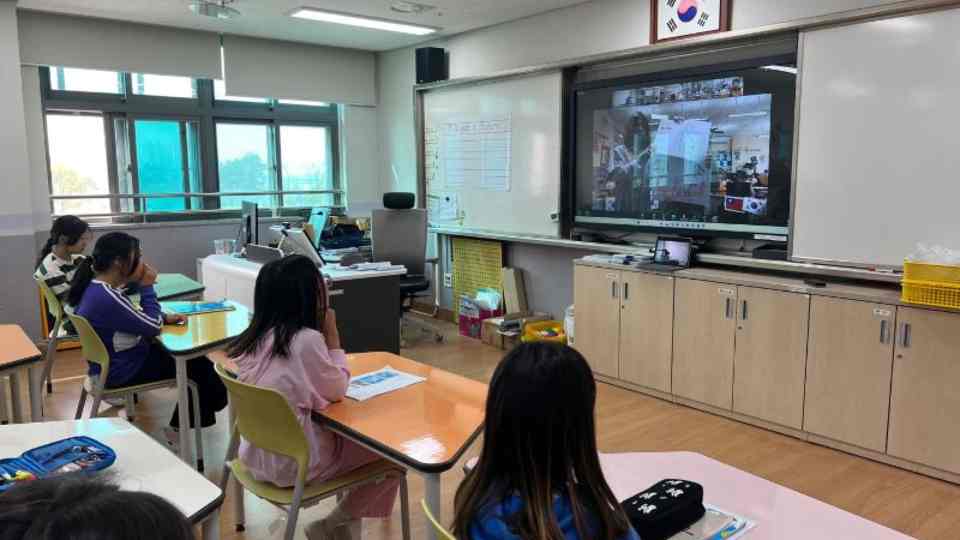
- Conduct video exchanges with partner classes to compare findings
- Create a collaborative “News Detective’s Guide to Truth” with practical tips for peers
Skills Developed:
- Critical analysis and source evaluation
- Cross-cultural communication
- Digital literacy and research skills
- Media awareness and civic responsibility
What’s Included: Complete project structure with 5-step guide, age-appropriate news samples, fact-checking worksheets, video call discussion guides, and assessment rubrics.
Why This Project Works:
Teachers report high student engagement because kids love the “detective” angle. The international component shows students how misinformation affects different communities worldwide, making abstract concepts concrete and relevant.
2. Building Safe Digital Futures
Target Age: 13-19 years old
Focus: SDG 16 – Peace, Justice, and Strong Institutions
Project Duration: 6-8 weeks
Digital privacy is a human rights issue that directly affects your students’ daily lives. This project empowers teens to understand data protection, compare global privacy laws, and design practical solutions for online safety.
How It Works
International student teams explore how privacy laws, surveillance practices, and data ethics vary across regions. They research real data breaches, analyze platform policies, and co-create youth-led solutions ranging from awareness campaigns to browser extensions or policy proposals.
Key Learning Activities:
- Research and compare privacy laws (GDPR, COPPA, regional variations)
- Survey peers about digital habits and privacy concerns
- Analyze how popular platforms (TikTok, Instagram, WhatsApp) handle user data
- Create comparative infographics highlighting international differences
- Design and prototype solutions: apps, campaigns, or policy recommendations
- Present findings in a virtual “Global Privacy Expo”
Skills Developed:
- Research and comparative analysis
- Design thinking and problem-solving
- Technical literacy and data ethics understanding
- International collaboration and presentation skills
What’s Included: Step-by-step project timeline, research templates, case study examples, glossary of key terms, design tools recommendations, and evaluation rubrics focused on innovation and feasibility.
Why This Project Works:
It addresses issues teens actually care about—their phones and social media. Students discover how internet experiences differ globally, opening conversations about digital rights, government policies, and corporate responsibility.
3. Voices Against Hunger
Target Age: 6-13 years old
Focus: SDG 2 – Zero Hunger
Project Duration: 5-6 weeks
Hunger isn’t just about food scarcity—it’s about inequality, distribution systems, climate impact, and poverty. This project helps younger students understand these complex interconnections through age-appropriate research and storytelling.
How It Works
Students collaborate with a partner classroom to explore hunger’s structural causes in both communities. Through guided research, interviews, and multimedia creation, they develop empathy and understanding while learning to communicate complex issues effectively.
Key Learning Activities:
- Watch introductory videos and discuss hunger in local contexts
- Research hunger causes using child-friendly resources (illustrated stories, simple articles, community interviews)
- Compare findings with partner class through shared presentations
- Learn about food systems, poverty, and climate connections through teacher-led mini-lessons
- Create collaborative podcasts or videos (3-5 minutes) explaining hunger causes and solutions
- Share final products with school community and local organizations
Skills Developed:
- Research and information synthesis
- Empathy and cultural awareness
- Digital storytelling and communication
- Understanding of systemic issues and sustainable development
What’s Included: Complete resource library with videos, interview guides, research templates, podcast/video production tips, and reflection activities. All materials designed for elementary reading levels.
Why This Project Works:
It introduces complex global issues in developmentally appropriate ways. Students feel empowered because they’re not just learning about a problem—they’re becoming educators who can raise awareness in their communities.
4. Greener Cities, Better Lives
Target Age: 13-19 years old
Focus: SDG 11 – Sustainable Cities and Communities
Project Duration: 6-8 weeks
Urban green spaces directly impact health, climate resilience, and social equity. This project challenges students to analyze their local environments and design evidence-based solutions for more sustainable, inclusive cities.
How It Works
Students from different cities map local green spaces, research environmental justice issues, and compare urban realities across cultures. They apply their findings to design “Dream Green Space” proposals that address real community needs.
Key Learning Activities:
- Map local parks, gardens, and green spaces using Google My Maps
- Conduct surveys and observational research on green space usage and accessibility
- Research urban equity, environmental justice, and ecosystem services
- Analyze data to identify patterns in green space access and quality
- Compare findings with partner classes through collaborative presentations
- Design green space proposals using Canva, Tinkercad, or similar tools
- Present designs in final video call showcase
Skills Developed:
- Spatial analysis and data interpretation
- Environmental science and urban planning concepts
- Design thinking and prototyping
- Equity analysis and social justice awareness
What’s Included: Mapping tutorials, research question templates, data analysis guides, design tool recommendations, presentation frameworks, and assessment rubrics evaluating creativity, feasibility, and equity considerations.
Why This Project Works:
Students examine their communities with new perspectives. The international comparison reveals how culture, climate, and policy shape urban design differently. Projects often generate proposals students want to share with actual city planners.
5. Think Local, Act Global: United Against Discrimination
Target Age: 13-19 years old
Focus: SDG 10 – Reduced Inequalities
Project Duration: 6-8 weeks
Bullying and discrimination exist in every school, but students rarely see these issues from global perspectives. This project helps teens understand systemic causes and co-create solutions that work across cultural contexts.
How It Works
International student teams explore how bullying and discrimination manifest in different school cultures. Through research, dialogue, and collaborative design, they create a “United Against Discrimination Toolkit” with practical strategies applicable in various contexts.
Key Learning Activities:
- Create visual representations of discrimination experiences in their schools
- Conduct peer interviews to gather qualitative data locally and internationally
- Research social, psychological, and institutional causes of bullying
- Compare experiences across partner schools, identifying patterns and differences
- Study concepts like systemic bias, social norms, and power dynamics
- Design interventions: awareness campaigns, peer support programs, or policy proposals
- Test initiatives locally and gather feedback for refinement
- Present final toolkit in international video showcase
Skills Developed:
- Qualitative research and data analysis
- Intercultural communication and empathy
- Systems thinking and root cause analysis
- Campaign design and social innovation
What’s Included: Interview protocols, research frameworks explaining key concepts, design thinking worksheets, campaign creation guides, program templates, and rubrics assessing collaboration, empathy, and solution impact.
Why This Project Works:
It tackles a problem students experience firsthand while showing they’re not alone. International perspectives reveal how culture shapes bullying behaviors and responses. Students develop genuine solutions because they’ve done the research to understand root causes.
Your Next Step: Explore Projects on Class2Class
You’ve read about five projects you can start this year. Now it’s time to take action.
Join us on Class2Class.org and explore the community of teachers already creating global learning experiences for their students. Browse existing coil projects, connect with educators from around the world, and discover how simple it can be to bring global collaboration into your classroom.
Whether you join an existing project open for collaboration or create your own, the important part is starting.