

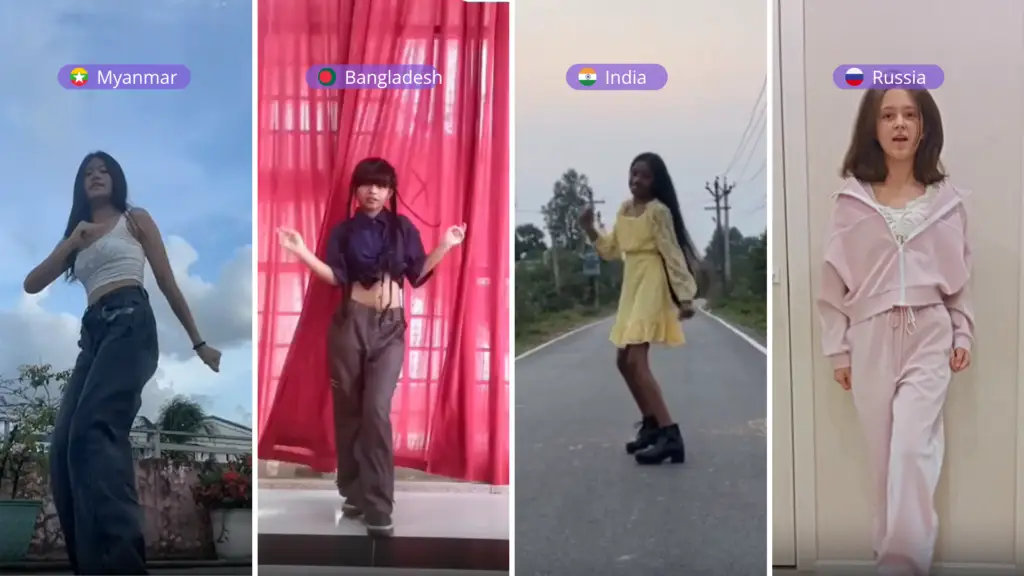
What happens when a teacher takes something students already love, like K-pop, and turns it into a global collaboration project? That is exactly what Tr. Nassim Mia from Bangladesh did when he created K-pop Talk on Class2Class.org.
Instead of a traditional cultural lesson, students from multiple countries came together to research, perform, and present their favorite K-pop songs to each other. The result was a global classroom collaboration full of energy, creativity, and real intercultural connection; all built around music.
What Is This Project About?
K-pop Talk was a four-week global collaboration designed for students who share a love for Korean pop music. The project was aligned with two SDGs in the classroom: SDG 4 (Quality Education) and SDG 10 (Reduced Inequalities).
Teachers from different countries joined forces to give their students a hands-on, project-based learning experience where they would not just listen to K-pop, they would research it, analyze its cultural meaning, and present their findings to an international audience.
The collaboration followed a structured plan:
During the first week, students formed teams, chose a favorite K-pop song, and researched its cultural and entertainment value: why it connects with audiences and what it reveals about Korean pop culture.
During the project execution, classrooms were paired across countries for intercultural exchange. Students shared their research, performed songs and dances, and discussed why certain music resonates across cultures.
Finally, the project ended with a recognition ceremony where the best singers, dancers, and presenters were celebrated, followed by a certification for all participants.
Participating teachers guided the process from start to finish, helping students prepare presentations that combined singing, dancing, and cultural analysis. As a project-based learning experience, students were not just learning about music — they were actively creating, collaborating, and presenting their work to peers from other countries.
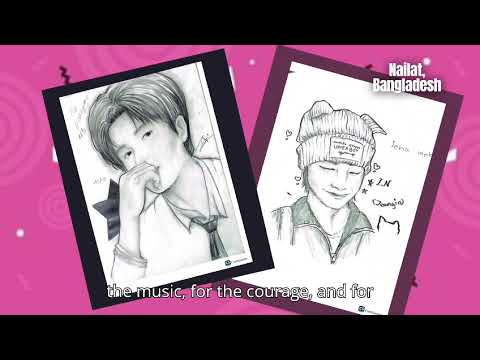
A student from Bangladesh, Nailat, presents her research on her favorite group, Stray Kids.
The Impact on Students
This project did much more than teach students about music. By working with peers from other countries through this global collaboration, students developed real skills and grew in ways that go well beyond the classroom.
Communication and language: Students practiced English through discussions, presentations, and creative exchanges. Many also picked up basic Korean phrases from the songs they studied — a fun and natural way to explore a new language.
Intercultural awareness: Comparing how music, fashion, and entertainment work in different countries gave students a concrete way to see similarities and differences across cultures, the kind of learning that cultural exchange programs aim to build.
Creativity and self-expression: Analyzing songs, creating digital content, and performing for peers from other countries pushed students to express themselves in new and exciting ways.
Teamwork across borders: Collaborating in multinational teams to complete tasks required flexibility, problem-solving, and genuine interpersonal skills.
Confidence and leadership: Presenting to an audience from another country in a second language, built the kind of self-assurance that students carry with them long after the project is over.
These are exactly the kinds of skills that this type of collaboration develops when it is done with intention. Students were not just completing tasks; they were learning how to work with people who think differently, communicate differently, and see the world through a different lens. That experience stays with them.
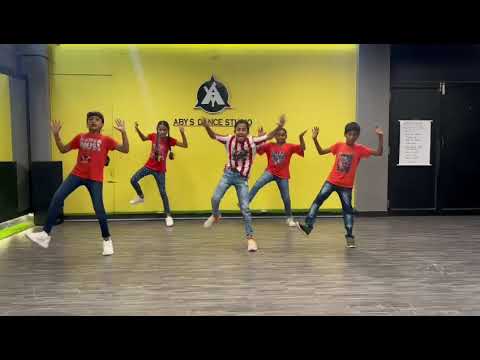
Indian students rehearsing their favorite song.
The Story: How the Global Collaboration Unfolded
It all started with a simple idea: students love K-pop, so why not use that energy for something bigger?
Tr. Nassim Mia set up the project on Class2Class.org and connected with teachers in other countries who saw the same potential. Together, they designed a global collaboration that gave students a real purpose not just consuming music, but studying it, sharing it, and presenting it to peers they had never met before.
During the first week, the excitement was already building. Students formed teams, debated which songs to choose, and dived into research about their chosen artists. They explored not just lyrics and choreography, but the cultural stories behind the music: why BTS connects with audiences worldwide, what Blackpink represents in terms of identity and expression, and how K-pop has become a global cultural movement.
Teachers played a key role throughout, guiding student research, helping teams organize their findings, and making sure the collaboration stayed on track. They created the conditions for students to take ownership of their own learning, which is at the heart of project-based learning.
When classrooms were paired in the following weeks, the real magic happened. Students from different countries met online, shared their research, and performed for each other. Some sang, others danced, and all of them discussed what K-pop meant in their own cultural context. The conversations went deeper than anyone expected. Students were comparing entertainment industries, sharing how music shapes identity in their countries, and finding common ground through shared passion.
The project culminated in a celebration that brought all classrooms together. The best performances were recognized, and every student received a certificate for their participation. But the real takeaway was not the certificate, it was the connections students made with peers across borders and the confidence they gained from presenting to an international audience.
Start Your Own Global Collaboration
If this project inspires you, you can bring a similar experience to your classroom. The idea is simple: find a topic your students already care about, connect with a partner teacher in another country, and let the global collaboration begin.
Whether your students love K-pop, anime, football, environmental causes, or any other topic, there is a classroom out there ready to collaborate. You can align your project with the SDGs in the classroom, build it around project-based learning, or start with a simple cultural exchange. The approach is up to you.
Class2Class.org is completely free and connects a global community of educators in over 144 countries.