In partnership with


Go to event page
📅 July 20 · International Awareness Day
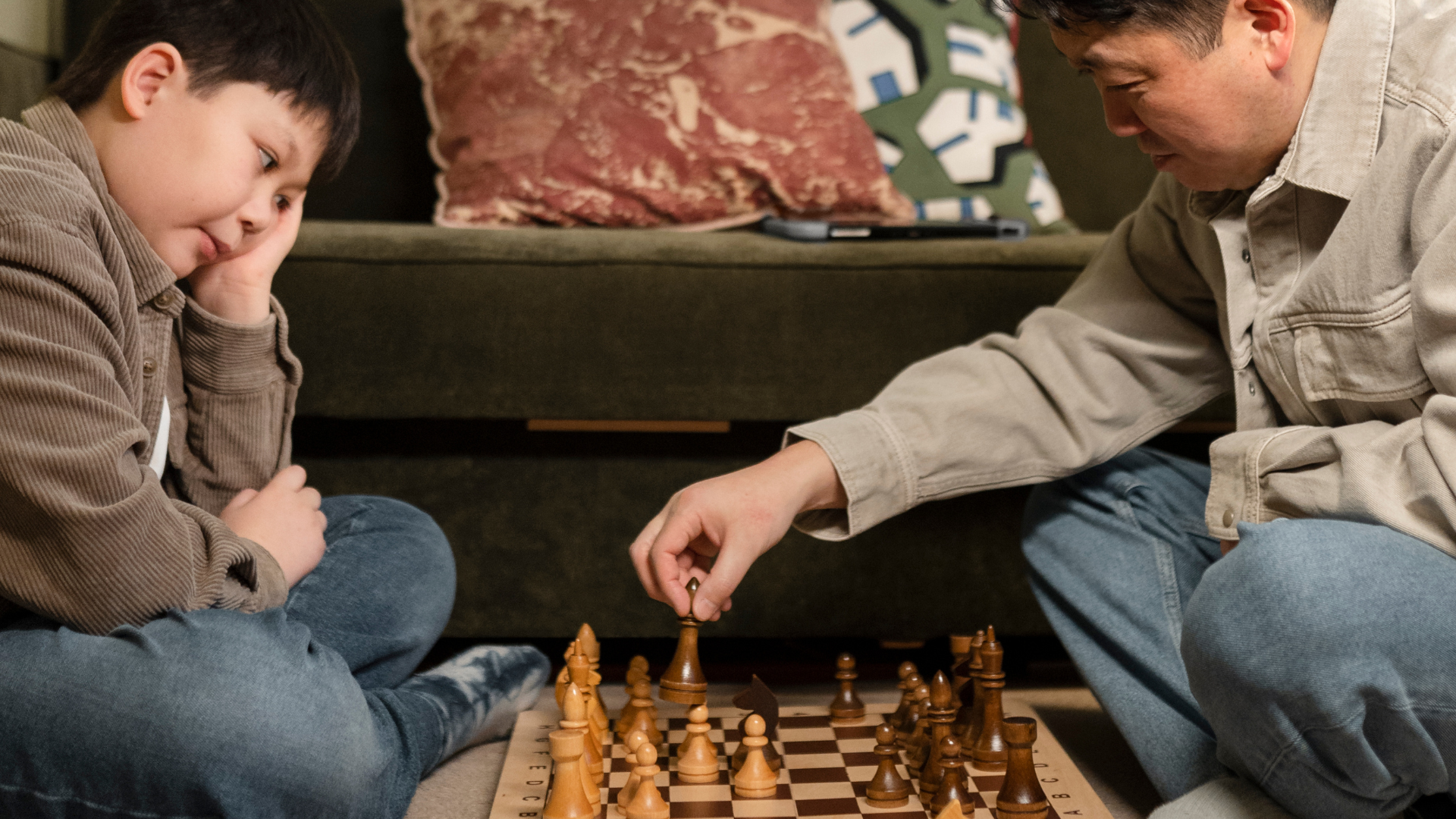
Every July 20, World Chess Day unites players, teachers, and students across borders to celebrate a game that’s been bringing people together for nearly 1,500 years. At Class2Class, we believe the chessboard is one of the most welcoming places a young person can learn to think, listen, and respect an opponent — no matter where they come from.
Proclaimed by the United Nations General Assembly in 2019 (resolution A/RES/74/22), World Chess Day is observed every year on July 20 — the same date FIDE was founded back in 1924. The UN recognizes chess as an affordable and inclusive activity that supports the 2030 Agenda for Sustainable Development, with the day aligned to SDG 4 (Quality Education) and SDG 16 (Peace, Justice and Strong Institutions) — because chess teaches focus, fairness, and the patience to find common ground.
Inside a classroom, chess is far more than a board game. It’s a quiet workout for the brain — building critical thinking, planning, and emotional regulation — while modeling what education for sustainable development looks like in practice. When students play across countries through a global classroom, every match becomes a conversation: about language, culture, strategy, and the kind of world they want to build.
Want to explore more awareness days? Visit our SDG Calendar for year-round project based learning opportunities.
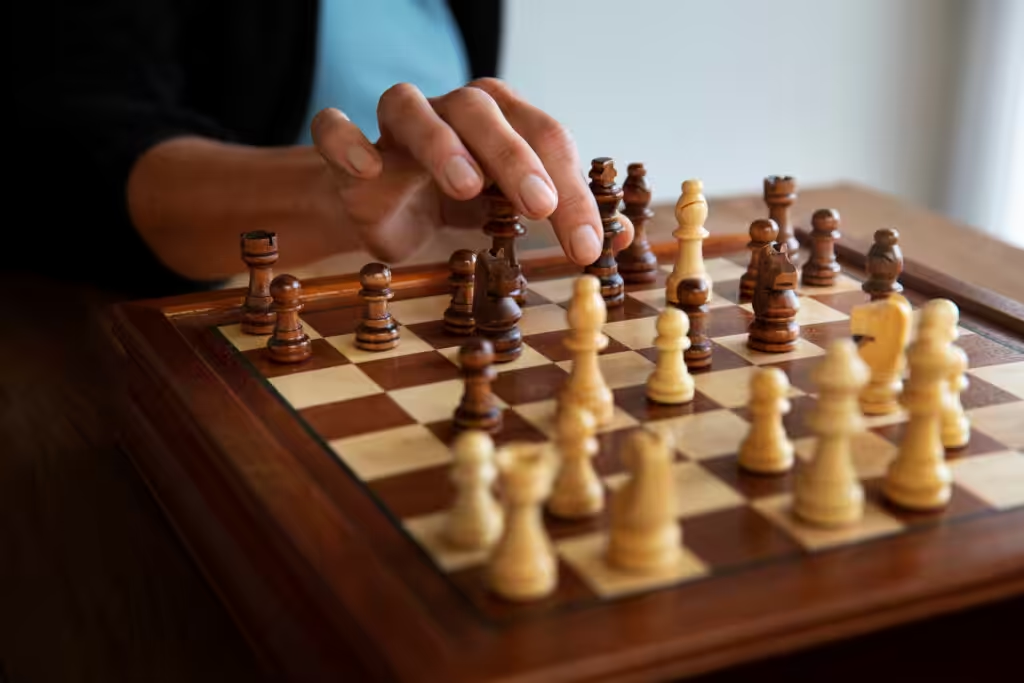
Four of the most valuable skills chess develops — and that hands-on World Chess Day projects strengthen — show up across every subject and every grade.
Spot patterns, anticipate consequences, and choose the best move when several options compete.
Connect with peers around the world through the shared language of chess, regardless of spoken language.
Discuss strategies, share board analysis, and grow together as a respectful chess community.
Discover how chess is loved and played differently around the world, opening eyes to other cultures.
Two chess projects, two age groups, one shared idea: a quiet board can spark loud, lasting friendships across the world.
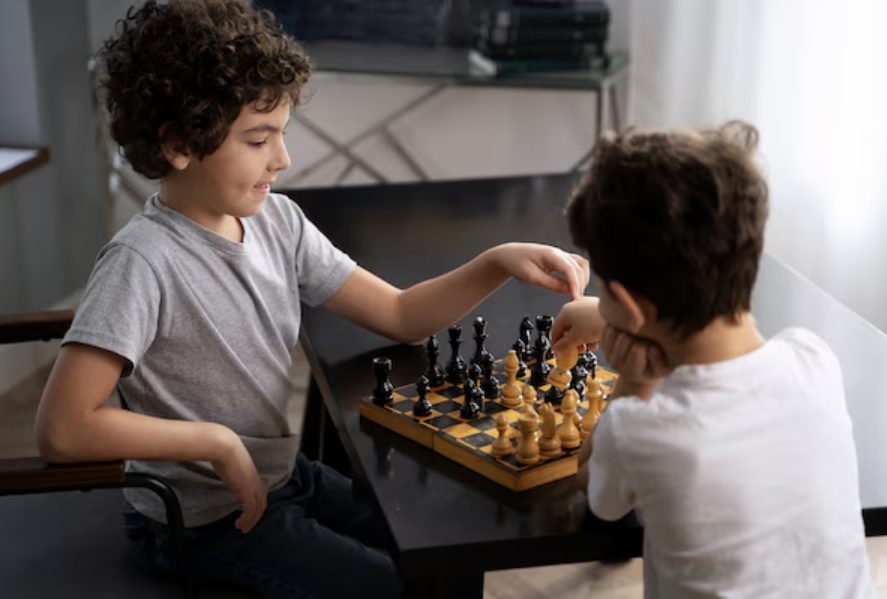
Ages 6–13 · English
An engaging project that introduces younger learners to chess while building international friendships and peaceful competition.
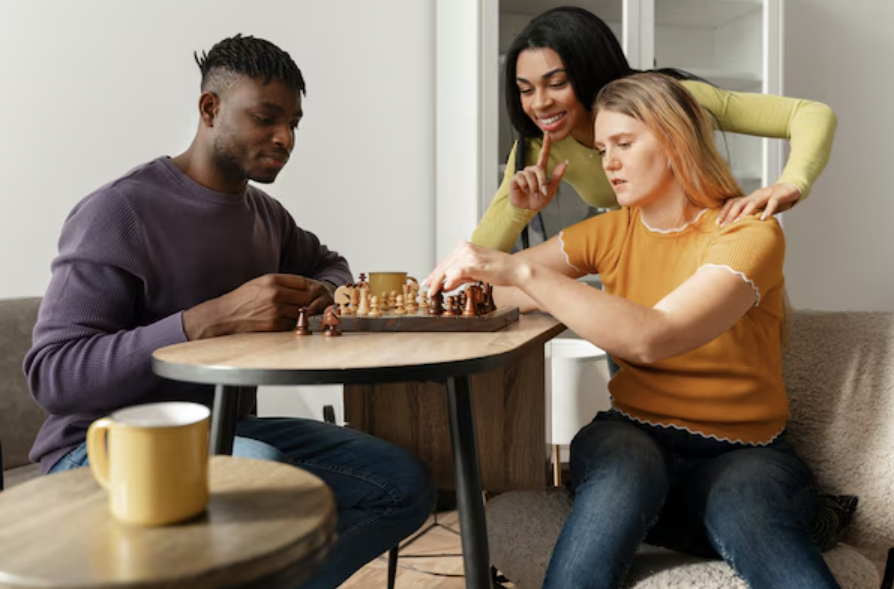
Ages 13–19 · English
A collaborative project that turns international chess tournaments into peace-building conversations for teens.
Project Idea · Ages 6–13
Chess for Friendship is designed for younger learners discovering the game for the very first time. Across four weeks of guided sessions, students aged 6–13 learn the rules of chess, then put them into practice with international partners. The project celebrates World Chess Day by replacing competition with collaboration — every move is a chance to make a new friend on the other side of the world.
Chess for Friendship pairs introductory chess lessons with cross-cultural exchange. Teachers guide students through piece movements, basic strategy, and good sportsmanship while connecting their classroom with a partner school abroad through the Class2Class platform. Students play friendly matches, share short videos about their hometowns, and reflect on what they’ve learned about chess — and each other. The project is available in English, Spanish, and Danish, and runs for four flexible weeks.
Intercultural Communication
Share moves, greetings, and reflections with peers from another country, learning to communicate clearly across cultures.
Critical Thinking & Problem-Solving
Plan ahead, weigh trade-offs, and learn from each game — on the board and beyond it.
Global Awareness
See how chess is played and loved around the world, building a sense of shared humanity through play.
Collaboration & Teamwork
Practice listening, encouraging partners, and celebrating one another’s progress over four weeks of activities.
Project Idea · Ages 13–19
Checkmate for Peace turns the chessboard into a peace-building tool for older students ready to think bigger. Teens aged 13–19 join international chess tournaments, but the real prize is the friendships and the conversations about peaceful competition that happen alongside every match. It’s the perfect classroom anchor for World Chess Day, blending strategic play with reflective dialogue.
Checkmate for Peace combines competitive chess with peace-education activities over a four-week project arc. Students partner with classrooms in other countries, run friendly tournaments, and discuss what peaceful competition, respect, and fair play look like in practice. The project draws on COIL principles — Collaborative Online International Learning — so teenagers lead the conversation while teachers facilitate. Available in English, Spanish, and Danish, it’s completely free for any school to run.
Critical Thinking & Problem-Solving
Analyze positions, evaluate trade-offs, and learn to play under pressure with patience and clarity.
Intercultural Communication
Move beyond language barriers using chess notation, respectful messaging, and live video calls with global peers.
Digital Literacy
Use online chess tools, video conferencing, and the C2C platform to coordinate friendly tournaments across borders.
Collaboration
Coordinate match schedules, share strategy notes, and build lasting peer relationships across continents.
Join teachers from 137 countries who already use Class2Class to bring the world into their lessons. July 20 is the perfect moment to start — and our SDG Calendar gives you year-round project-based learning opportunities.