In partnership with


Go to event page

📅 October 17 · International Awareness Day
Every October 17, the world comes together to recognize the International Day for the Eradication of Poverty — a call to action rooted in dignity, solidarity, and shared responsibility. On the Class2Class platform, teachers from 137 countries connect their classrooms to turn awareness into empathy and empathy into action, one project at a time.
Proclaimed by the United Nations General Assembly in 1992, this global observance has been marked every October 17 since 1992 to acknowledge the efforts of people living in poverty and to promote awareness of the need to eradicate it globally. It is directly linked to SDG 1: No Poverty — the first and most fundamental of the 17 Sustainable Development Goals. Poverty is not simply a lack of income; it is a deprivation of dignity, opportunity, and voice. In a global classroom, students from vastly different economic backgrounds come together as equals, discovering firsthand that poverty takes different forms around the world — and that solutions require solidarity across borders.
Education for sustainable development puts poverty at the centre of what it means to be a responsible global citizen. When young people understand the structural causes of poverty — and see through the eyes of peers living in different circumstances — they develop the empathy, critical thinking, and advocacy skills that drive real change. Class2Class projects for October 17 give students a safe, structured space to move from awareness to action: through simulations, photo essays, community research, and cross-cultural dialogue, they learn that the eradication of poverty begins with understanding — and that every classroom has a role to play.
Want to explore more SDG-aligned awareness days? Visit our SDG Calendar for year-round project-based learning opportunities.
These projects build the competencies students need to understand, discuss, and ultimately contribute to ending poverty — in their communities and across the world.
By stepping into the lives of people facing poverty — and exchanging perspectives with international peers — students build the deep human understanding that drives compassionate action.
Analysing the root causes of poverty and brainstorming real solutions challenges students to think beyond surface-level awareness and engage with complex social and economic systems.
Students discover that poverty is a global challenge requiring global responses — and come to see themselves as active participants in a worldwide movement toward dignity and equity for all.
From simulation debriefs to photo essay captions and virtual gallery presentations, students practise expressing difficult truths with clarity, nuance, and respect for those whose stories they tell.
Two ready-to-use projects for October 17 — choose the one that fits your classroom, or run both to spark dialogue across age groups about the causes and solutions of poverty.
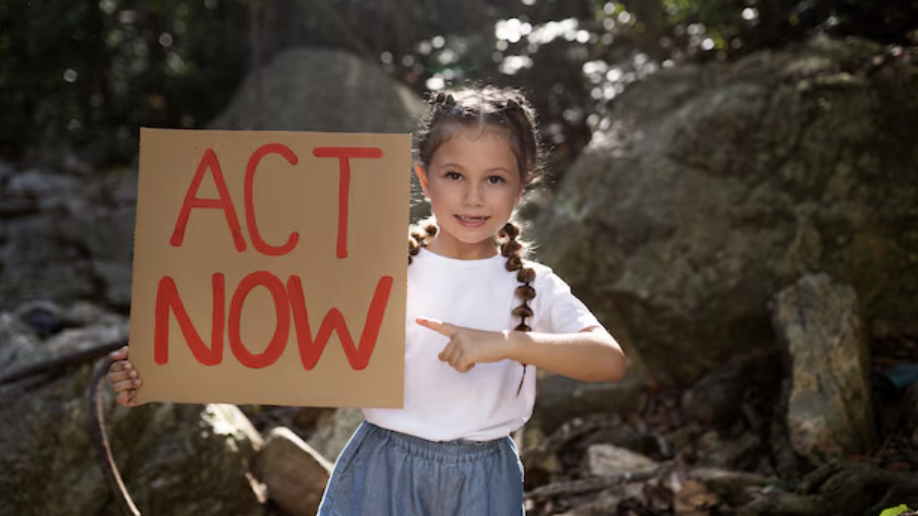
Ages 6–13 · English
Students step into simulated daily scenarios of economic hardship, then join an international partner class to compare experiences and co-create advocacy presentations.

Ages 13–18 · English
Students capture photographs, conduct community interviews, and co-create a powerful visual photo essay on poverty with an international partner class — culminating in a virtual gallery.
Project Idea · Ages 6–13
This simulation-based project invites younger students to experience the daily realities of economic hardship in a safe, guided classroom setting. Through role-play scenarios — budgeting with limited resources, making impossible choices about food, housing, and healthcare — students develop empathy from the inside out. The project then connects them with an international partner class to compare their simulated experiences with real observations of poverty in communities around the world, turning personal insight into collective understanding.
Over four weeks, students move from education to simulation to reflection to advocacy. The project opens with an introduction to poverty, its causes, and its connection to SDG 1: No Poverty. Students then participate in structured simulations — including a budgeting role-play with limited fake currency and a community resource-allocation challenge — designed to make abstract economic realities tangible. Following the simulations, guided journaling and small-group video calls with international peers allow students to process their experiences and draw comparisons between what they simulated and what poverty looks like in their partners’ communities. The project concludes with digital presentations shared with the wider school, positioning students as informed advocates for the eradication of poverty.
Empathy & Intercultural Understanding
Simulating the daily decisions of someone living in poverty — and then comparing those experiences with peers from other countries — builds a visceral, lasting understanding of what poverty actually feels like.
Critical Thinking & Problem-Solving
The resource-allocation challenges and role-play scenarios require students to make difficult trade-offs, developing their ability to analyse complex problems without easy answers.
Collaboration & Teamwork
Group simulations, joint reflection sessions, and co-created advocacy presentations ask students to listen, negotiate, and build on each other’s ideas across cultural and linguistic differences.
Global Citizenship
Presenting their findings to the school community and connecting with international peers positions students as active advocates — young people who understand that the eradication of poverty is everyone’s responsibility.
Project Idea · Ages 13–18
Portraits of Poverty invites older students to become documentary storytellers for the International Day for the Eradication of Poverty. Working with an international partner class, students capture photographs, conduct interviews with community members, and co-create a visual essay that gives voice to the human dimensions of poverty in their own neighbourhoods. The project culminates in a virtual gallery — a shared international exhibition that turns student work into a powerful act of advocacy.
This project follows a research-to-exhibition arc across four weeks. Students begin with an introduction to SDG 1 and the role of documentary photography in social change, then plan their photo essays collaboratively with their international partner class — agreeing on themes, drafting interview questions, and building shared shot lists. In the field, students photograph and interview individuals and families with care and ethical awareness, guided by their teachers. Back in the classroom, they curate and edit their images, write captions and narratives, and give and receive peer feedback through the Class2Class platform. The project closes with a live video call where both classes present their virtual galleries to each other — celebrating the stories they have collected and reflecting on what ending poverty means to them personally.
Creativity & Innovation
Designing a photo essay that tells a truthful, dignified story about poverty requires students to think carefully about composition, narrative, and the ethical power of visual storytelling.
Research & Investigation
Students conduct real community interviews, curate photographs, and synthesise findings with international partners — practising the investigative skills of journalists and social researchers.
Communication
Writing captions, crafting narratives, and presenting a virtual gallery to peers from across the world develops students’ ability to communicate complex social realities with clarity and compassion.
Global Citizenship
Creating a shared international exhibition on poverty positions students as advocates who understand that ending poverty requires cross-cultural solidarity and collective storytelling.
Join teachers from 137 countries who are connecting classrooms around the causes and solutions of poverty. Explore our SDG Calendar for more awareness day projects aligned to the UN Sustainable Development Goals — all free, all designed for real classrooms, all ready to use on October 17 and beyond.