In partnership with

Go to event page
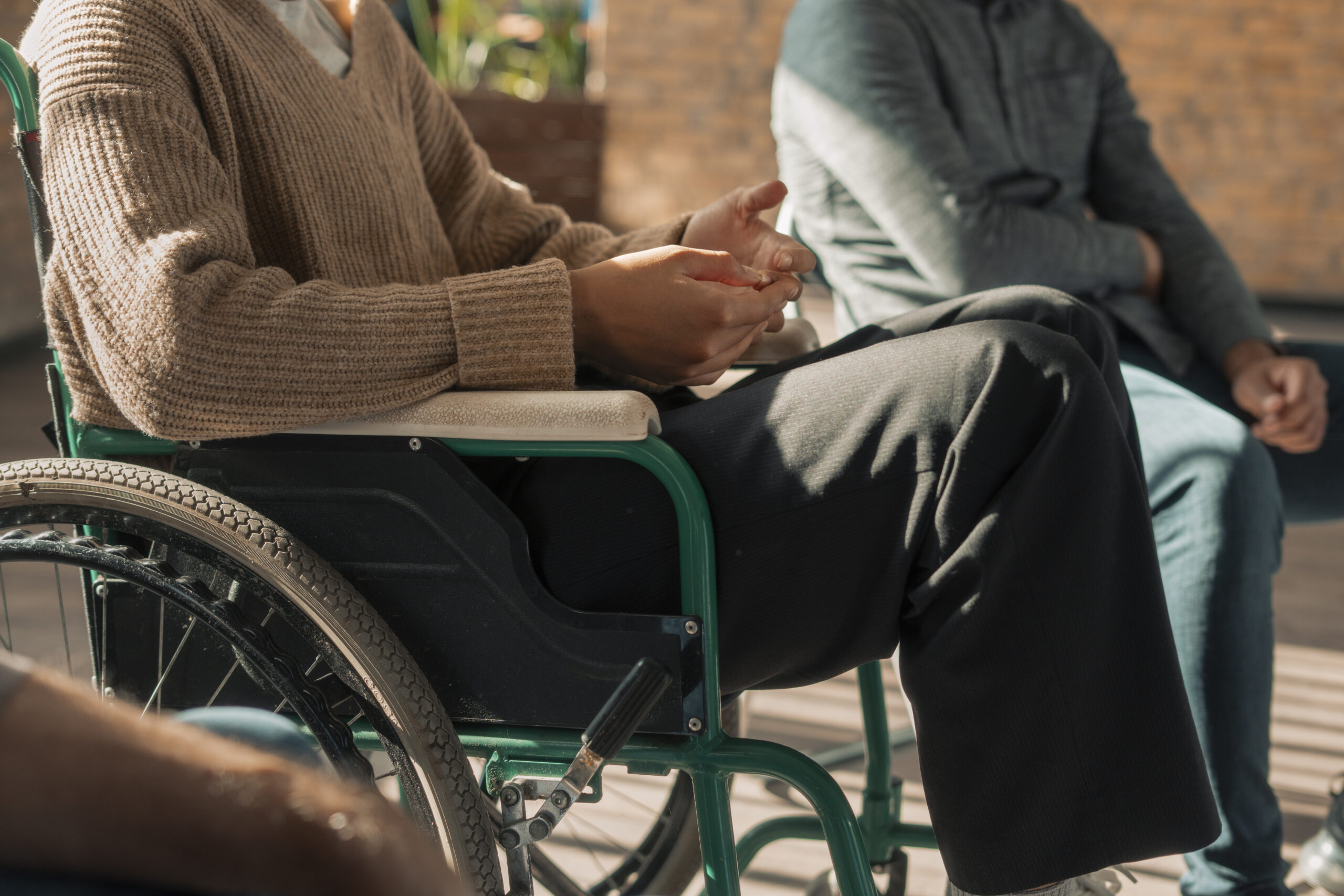
📅 December 3 · International Awareness Day
The International Day of Persons with Disabilities reminds us that inclusion is not a privilege — it is a right. Bring this global commitment into your classroom with free collaborative projects that connect students across borders through empathy, creativity, and meaningful action.
Established by the United Nations General Assembly in 1992, the International Day of Persons with Disabilities is observed every December 3 to promote the rights, dignity, and wellbeing of over one billion people living with a disability worldwide. Aligned with SDG 10: Reduced Inequalities, this day calls on communities, institutions, and individuals to dismantle the barriers — physical, digital, and social — that still prevent full participation in society. In classrooms around the world, it is a powerful moment to pause, listen, and ask: whose voices are we still not hearing?
Education for sustainable development places inclusion at its very core. When students learn alongside peers from different countries and backgrounds — including students with different abilities — they build the empathy, critical thinking, and collaborative skills that no textbook alone can teach. The global classroom becomes a living laboratory for equity: a space where every learner’s unique strengths are recognised, celebrated, and put to work in service of a more just world. By positioning inclusion not as a topic of pity but as a subject of dignity and agency, teachers become true architects of change.
Want to explore more awareness days? Visit our SDG Calendar for year-round project based learning opportunities.
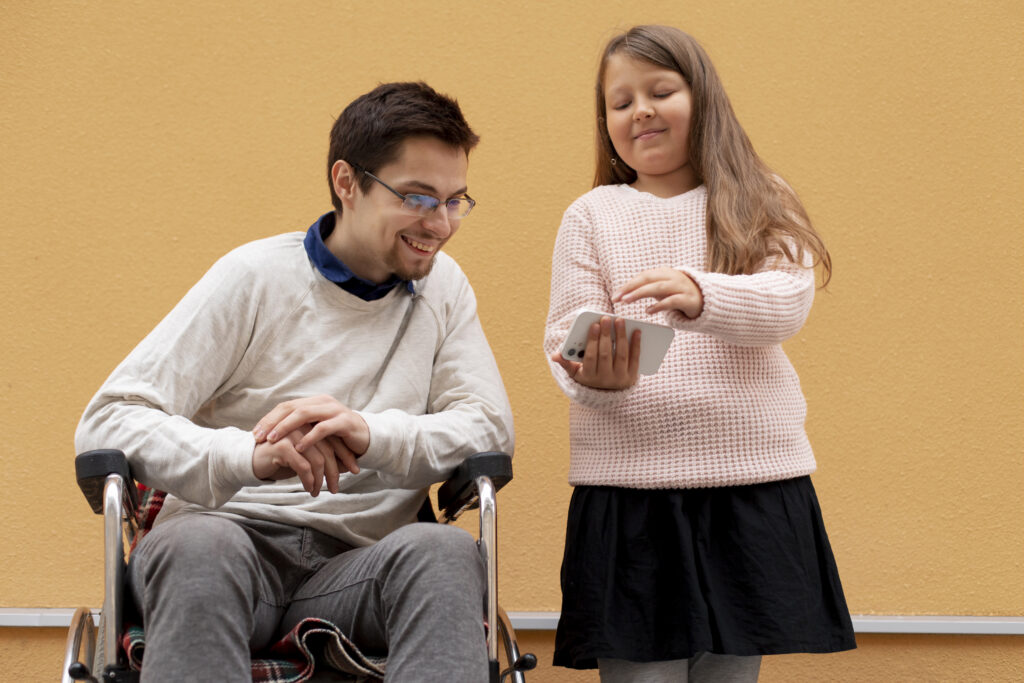
Through projects centred on inclusion and accessibility, students build competencies that extend far beyond December 3 — shaping the way they see and engage with the world.
Students explore the lived experiences of people who learn and live differently, developing genuine empathy and a broader understanding of what inclusion looks and feels like across cultures.
By connecting with international classrooms, students discover how societies around the world approach disability rights and accessibility — deepening their sense of global responsibility.
From designing accessible spaces to building awareness campaigns, students channel creativity into solutions that open doors for classmates and community members who face barriers every day.
Students work in international teams to co-create projects, exchange ideas, and support one another — practising the collaborative skills that inclusive communities depend on.
Choose a free, hands-on collaborative project that brings the spirit of inclusion and disability awareness into your classroom — available to all teachers and students, wherever you are in the world.
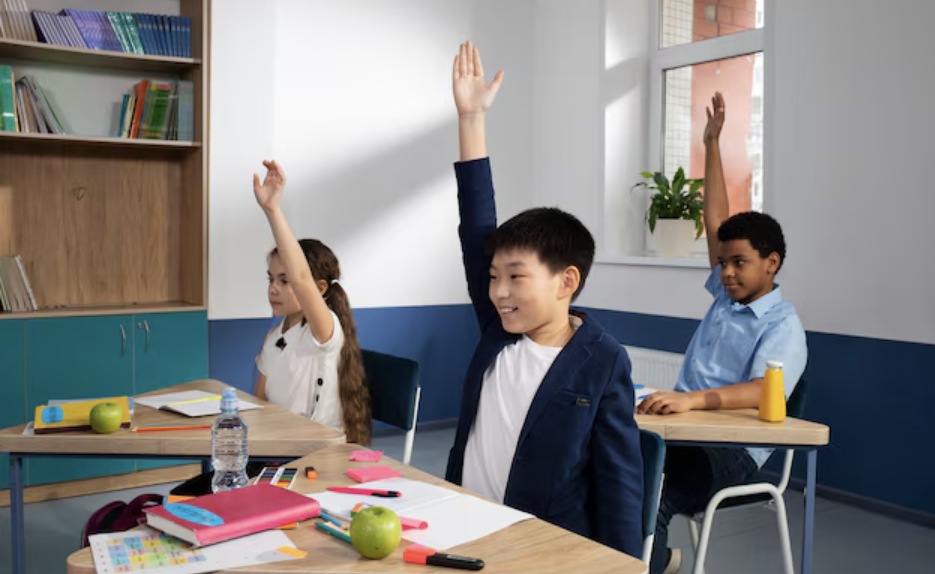
Ages 6–13 · English
Students connect internationally to explore and celebrate different abilities through art and storytelling, building empathy and global friendships along the way.
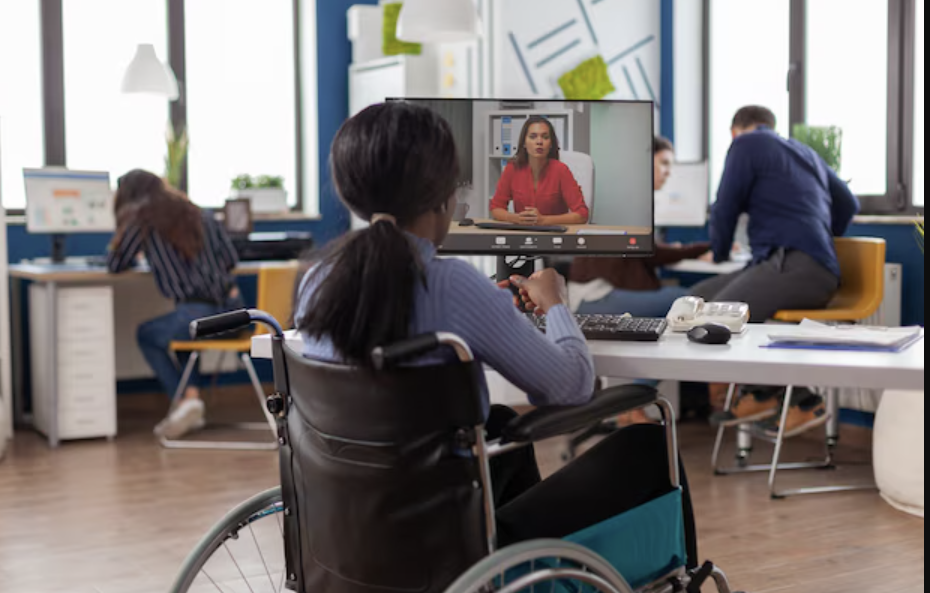
Ages 13–18 · English
Students investigate digital barriers that exclude people from full participation, collaborate internationally, and launch awareness campaigns that champion inclusion aligned with SDG 10.
Project Idea · Ages 6–13
This project invites young learners to celebrate the reality that people of all abilities bring unique gifts to every community. Over four weeks, classes from different countries exchange personal stories, artwork, and reflections — building a shared digital “Friendship Book” that stands as a testament to what we all gain when inclusion is truly embraced.
In “Different Abilities, Same Smiles,” students aged 6 to 13 connect internationally to explore what it means to have different abilities — and, more importantly, unique strengths. Guided by their teachers, learners create digital introduction cards on the theme “What Makes Me Special,” conduct simple accessibility surveys in their schools, and collaborate on paintings and stories centred on the idea “A World Where Everyone Belongs.” The project culminates in a shared digital book filled with inclusive messages, illustrations, and personal reflections contributed by both classrooms. Aligned with the spirit of the International Day of Persons with Disabilities, this is project-based learning at its most human: students do not just study inclusion — they practise it, shape it, and pass it on to their communities.
Empathy & Intercultural Understanding
Students share personal stories and listen to those of their international peers, developing genuine understanding of different abilities and what inclusion feels like across cultures.
Creativity & Innovation
Through digital art, storytelling, and collaborative books, students express inclusive values in creative formats that speak across language and national boundaries.
Communication
Exchanging introduction cards and reflections with a partner class sharpens students’ ability to express ideas respectfully, clearly, and with cultural sensitivity.
Global Awareness
By connecting with classrooms in other countries, students discover how different communities celebrate and support people with different abilities — broadening their worldview from an early age.
Project Idea · Ages 13–18
For older students, the International Day of Persons with Disabilities is an invitation to look critically at the technology they use every day — and ask who it leaves behind. This four-week project challenges teenagers to investigate digital accessibility in their own communities, compare findings with international partners, and design awareness campaigns that champion inclusion in the digital age.
“Digital Accessibility Champions” is a research-driven, action-oriented project for students aged 13 to 18. Working with a partner classroom abroad, students audit their school’s digital tools for inclusivity, interview community members about online barriers they face, and document local initiatives getting digital inclusion right. These findings are then shared across borders, sparking rich cross-cultural conversations about what equity in the digital world looks like in different national contexts. The project culminates in a coordinated awareness campaign — designed, created, and launched by the students themselves — targeting real audiences in their communities. It is learning that sticks: connected, purposeful, and grounded in the belief that young people are not just future changemakers, but present ones.
Critical Thinking & Problem-Solving
Students identify real digital barriers, analyse their causes, and propose solutions — applying rigorous thinking to a challenge that affects millions of people around the world.
Research & Investigation
Through accessibility audits, community interviews, and international data sharing, students practise the full research cycle: gathering evidence, comparing findings, and drawing cross-cultural conclusions.
Leadership
Designing and launching a public awareness campaign requires students to step up, make decisions, and take ownership — developing the kind of agency that defines responsible global citizenship.
Collaboration & Teamwork
International teams co-create campaign materials, give and receive peer feedback, and adapt messages for different cultural contexts — building the collaborative muscles inclusive societies need.
Join teachers from 137 countries connecting classrooms for the International Day of Persons with Disabilities through free, project-based learning aligned with SDG 10. Explore our SDG Calendar for more year-round opportunities to make a difference.