
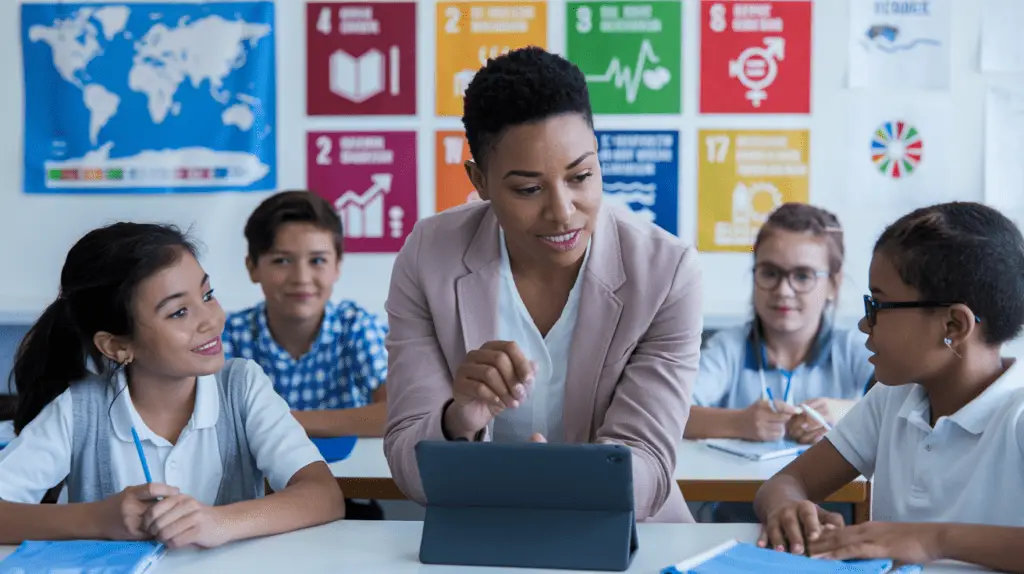
In today’s interconnected world, preparing students for global citizenship is more crucial than ever. As educators, we have the unique opportunity to harness the power of technology-enhanced intercultural learning to broaden our students’ horizons and develop essential 21st-century skills. At Class2Class, we’re passionate about empowering teachers like you to create transformative learning experiences that transcend borders and foster cultural understanding.
The Importance of Technology-Enhanced Intercultural Learning
Technology-enhanced intercultural learning is not just a buzzword; it’s a game-changer in education. By leveraging digital tools and platforms, we can break down geographical barriers and create meaningful connections between students from diverse backgrounds. This approach not only enhances cultural awareness but also develops critical thinking, communication, and collaboration skills that are essential in our globalized society.
At Class2Class, we’ve witnessed firsthand the incredible impact of technology-enhanced intercultural learning. Teachers who have embraced this approach report increased student engagement, improved empathy, and a deeper understanding of global issues. As Sandra Maj, a teacher from Poland, shared, “It’s been a pleasure to collaborate with Class2Class.org teachers! My students and I loved celebrating World Environment Day together. I’m also grateful for the opportunity to connect with teachers and classes from around the world!”
5 Powerful Strategies to Implement Technology-Enhanced Intercultural Learning
1. Virtual Exchange Programs: Bringing the World into Your Classroom
Gone are the days when international exchanges were limited to a select few students. With technology-enhanced intercultural learning, you can bring the world into your classroom. Virtual exchange programs allow students to collaborate with peers from different countries on shared projects, fostering cross-cultural understanding and developing global competencies.
Class2Class makes it easy to connect with partner classrooms worldwide. Our platform offers a secure environment where students can engage in meaningful discussions, share ideas, and work together on projects that address real-world challenges. By participating in these virtual exchanges, students gain invaluable insights into different cultures, perspectives, and ways of life.
For example, a class in Japan recently collaborated with a class in Brazil on a project exploring sustainable urban development. Students shared their local challenges and worked together to propose innovative solutions, learning not only about urban planning but also about each other’s cultures and daily lives.
2. Collaborative Online International Learning (COIL): Structured Approach to Global Education
COIL is a pedagogical approach that combines technology with intercultural learning to create rich, interactive experiences for students. Through carefully designed projects, students from different countries work together to achieve common goals, developing both subject-specific knowledge and intercultural skills.
Our platform integrates the COIL framework seamlessly, providing you with structured guidance and resources to implement effective international collaborations. From project planning tools to communication channels, we’ve got everything you need to create impactful COIL experiences for your students.
One successful COIL project on Class2Class involved students from India and Canada exploring renewable energy solutions. They conducted virtual lab experiments, shared local case studies, and collaboratively designed a sustainable energy plan for a fictional city. This project not only enhanced their scientific knowledge but also developed their cross-cultural communication and problem-solving skills.
3. Digital Storytelling for Cultural Exchange: Narratives that Bridge Cultures
Storytelling is a powerful tool for promoting intercultural understanding, and technology amplifies its impact. Encourage your students to create digital stories that showcase their culture, traditions, and daily lives. These stories can then be shared with partner classrooms around the world, sparking curiosity and fostering empathy.
Class2Class offers a variety of multimedia tools that make digital storytelling accessible and engaging. Students can create videos, podcasts, or interactive presentations to share their stories, and our platform ensures that these creations can be easily shared and discussed with international peers.
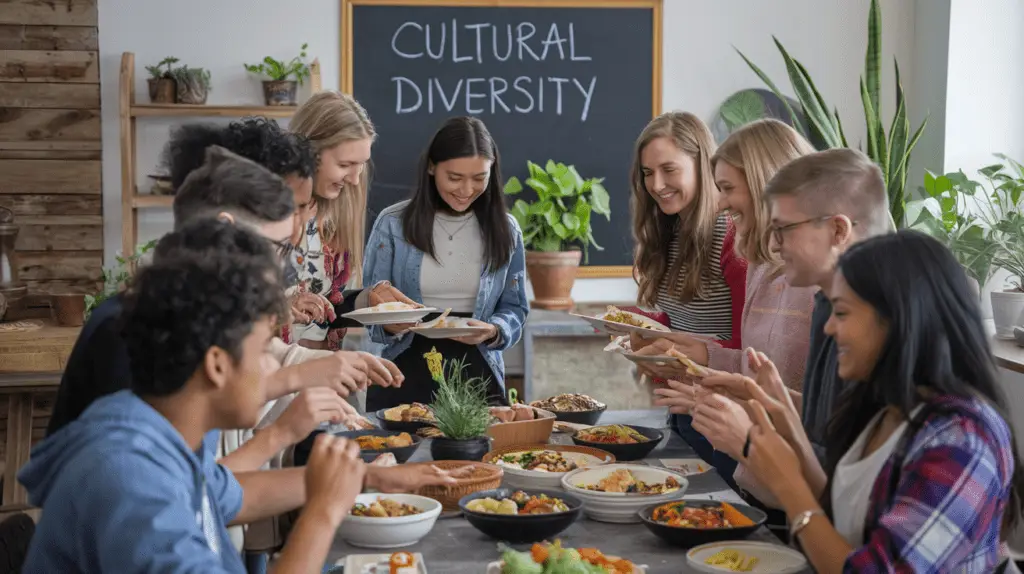
A recent project on our platform saw students from South Africa and Mexico creating digital photo essays about their local markets. Through these visual narratives, students learned about each other’s culinary traditions, economic practices, and daily routines, fostering a deep appreciation for cultural diversity.
4. Global Problem-Solving Challenges: Cultivating Global Citizenship
Technology-enhanced intercultural learning isn’t just about cultural exchange; it’s also about empowering students to become global problem-solvers. By engaging in collaborative projects that address real-world issues, students develop a sense of global citizenship and learn to work effectively across cultures.
Our platform aligns projects with the United Nations Sustainable Development Goals (SDGs), providing a framework for meaningful, impactful collaborations. As Anuradha Sharma, a teacher from India, noted, “Love this platform! The lesson plans are amazing. Hats off to the team! Wonderful teachers from around the globe are tuning in together to bring smiles, confidence, and leadership to our students.”
One inspiring project on Class2Class involved students from Germany, Kenya, and Thailand collaborating on SDG 14: Life Below Water. They conducted virtual beach clean-ups, shared data on local marine pollution, and jointly developed an awareness campaign to reduce plastic waste in oceans. This project not only educated students about marine conservation but also fostered a sense of shared responsibility for our planet.
5. Virtual Reality (VR) and Augmented Reality (AR) Experiences: Immersive Cultural Learning
While not yet widely accessible, VR and AR technologies are emerging as powerful tools for intercultural learning. These immersive experiences can transport students to different parts of the world, allowing them to explore diverse cultures and environments in a deeply engaging way.
At Class2Class, we’re constantly exploring innovative ways to incorporate cutting-edge technologies into our platform. While we work on developing VR and AR capabilities, we offer a wide range of multimedia resources that bring global experiences to life in your classroom.
For instance, a recent pilot project used 360-degree videos to take students on virtual field trips to world heritage sites. Students from Australia and Peru explored each other’s cultural landmarks, guided by their peers, fostering a deep appreciation for global heritage and conservation efforts.
Overcoming Challenges in Technology-Enhanced Intercultural Learning
Implementing technology-enhanced intercultural learning may seem daunting, but with the right support and resources, it’s entirely achievable. Here are some common challenges and how Class2Class helps you overcome them:
- Technical barriers: Our user-friendly platform is designed with teachers in mind, requiring no special technical skills. As Noriko Matsubara, a teacher from Japan, shared, “We always feel so safe and comfortable on this platform.”
- Finding partner classrooms: Class2Class has a vast network of educators worldwide, making it easy to find suitable partners for your projects. Our matching algorithm considers factors like curriculum alignment, student age, and project interests to ensure meaningful collaborations.
- Language differences: We provide translation tools and resources to facilitate communication between students who speak different languages. Additionally, our platform offers language exchange projects, turning potential barriers into learning opportunities.
- Time zone coordination: Our platform includes scheduling tools to help you manage collaborations across different time zones effortlessly. We also provide guidance on asynchronous collaboration techniques, ensuring that time differences don’t hinder meaningful exchanges.
- Curriculum alignment: We offer a range of pre-designed projects that align with various curricula and can be easily integrated into your existing lesson plans. Our team of educational experts continually updates these resources to ensure they meet global educational standards.
Getting Started with Technology-Enhanced Intercultural Learning
Ready to embark on this exciting journey? Here’s how you can get started with Class2Class:
- Sign up for a free account on our platform.
- Complete your profile and specify your collaboration interests.
- Browse our project library or create your own custom project.
- Connect with partner classrooms from around the world.
- Start collaborating and watch your students’ global competencies flourish!
As Nancy Dieu-Ngoc Nguyen, a teacher from Vietnam, enthusiastically shared, “Thank you so much for bringing us teachers from all over the world together to create more opportunities for our students to learn from each other and grow together!”
Embrace the Future of Education with Class2Class
Technology-enhanced intercultural learning is not just a trend; it’s the future of education. By embracing this approach, you’re equipping your students with the skills and perspectives they need to thrive in an increasingly interconnected world.
Join the Class2Class community today and unlock a world of possibilities for your students. Together, we can create a generation of global citizens who are ready to face the challenges of tomorrow with empathy, understanding, and collaborative spirit.
Ready to transform your classroom? Sign up now and start your journey towards technology-enhanced intercultural learning!
Learn more about the importance of global citizenship education from UNESCO: https://en.unesco.org/themes/gced