
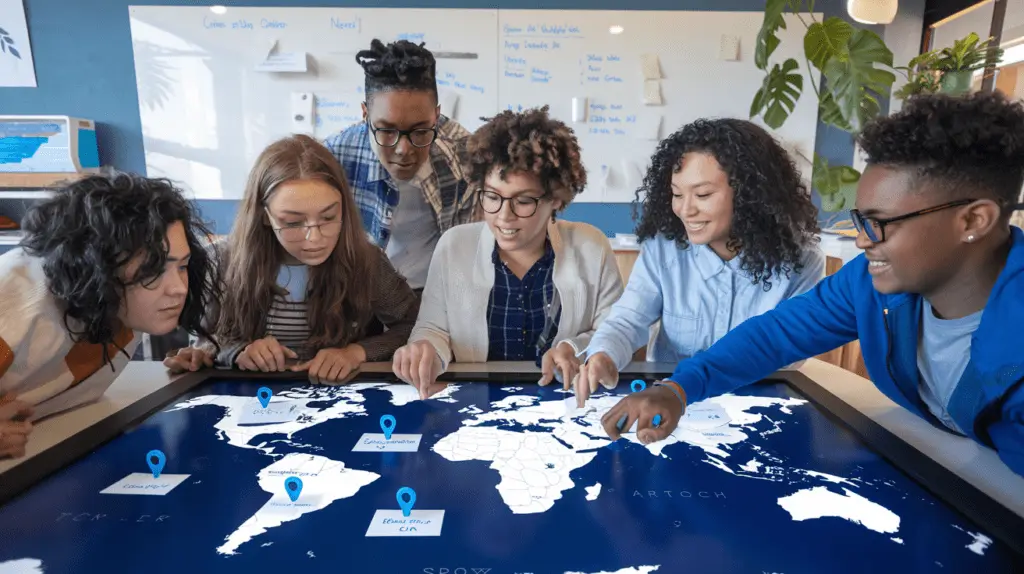
Are you ready to break down classroom walls and propel your students into a world of global learning opportunities? Welcome to the revolutionary realm of Collaborative Online International Learning (COIL), an innovative approach that’s reshaping education and preparing students for success in our interconnected world. At Class2Class, we’re passionate about connecting educators and learners across borders, and we’re here to guide you through the transformative power of COIL.
Imagina a tus alumnos participando en debates en tiempo real con compañeros de todo el mundo, colaborando en proyectos que abordan retos globales urgentes y desarrollando un profundo aprecio por las diversas culturas, todo ello desde tu propia aula. Esto no es un sueño lejano; es la realidad que el aprendizaje internacional colaborativo en línea ofrece cada día a educadores como tú.
Let’s explore the five extraordinary ways COIL can revolutionize your teaching approach and equip your students with the skills they need to thrive in our globalized society.
1. Fomento de la ciudadanía global y el entendimiento cultural
In today’s interconnected world, preparing students to become global citizens is more crucial than ever. Collaborative Online International Learning offers a unique opportunity to cultivate this essential mindset. By connecting your classroom with peers from different countries and cultures, COIL creates a vibrant, multicultural learning environment that transcends traditional textbook learning.
Through COIL projects, students gain firsthand experience interacting with diverse perspectives, customs, and ways of thinking. They learn to navigate cultural differences, practice empathy, and develop a nuanced understanding of global issues. This exposure helps break down stereotypes and preconceptions, fostering a more inclusive and open-minded worldview.
For example, a Class2Class COIL project might pair your students with a classroom in Japan to explore sustainable urban development. As they collaborate on designing eco-friendly city models, they’ll not only learn about environmental science but also gain insights into Japanese culture, urban planning approaches, and how different societies tackle common challenges. This hands-on experience in cross-cultural collaboration is invaluable in preparing students for future careers in our globalized economy.
2. El desarrollo de las competencias esenciales del siglo XXI
Collaborative Online International Learning serves as a powerful catalyst for developing the critical skills students need to thrive in the 21st century workplace. COIL projects naturally encourage the “4 Cs” – critical thinking, communication, collaboration, and creativity – all while adding a global dimension to these essential competencies.
When students engage in COIL activities, they’re challenged to think critically about complex global issues, communicate effectively across language and cultural barriers, collaborate with peers from diverse backgrounds, and find creative solutions to real-world problems. These experiences prepare them for the realities of a globalized workforce where cross-cultural communication and virtual collaboration are increasingly the norm.
For instance, a COIL project focused on addressing water scarcity might require students to analyze data from multiple countries, communicate their findings clearly to international teammates, work together to develop innovative solutions, and present their ideas creatively to a global audience. Through this process, they’re not just learning about water conservation – they’re honing skills that will serve them well in any future career, from international business to scientific research.
3. Integración fluida de la tecnología para un aprendizaje significativo
En la era digital, la alfabetización tecnológica ya no es opcional, sino imprescindible. El aprendizaje colaborativo internacional en línea ofrece un contexto significativo para que los alumnos utilicen una amplia variedad de herramientas y plataformas digitales, lo que les permite mejorar sus habilidades tecnológicas de forma eficaz.
Through COIL projects, students learn to navigate video conferencing platforms, collaborative document editing tools, project management software, and more. They gain experience in digital citizenship, online etiquette, and safe internet practices. Most importantly, they learn to leverage technology not just for personal use, but as a powerful tool for learning, problem-solving, and global connection.
At Class2Class, we provide a user-friendly platform specifically designed for COIL projects, making it easy for teachers and students to collaborate securely across borders. Our intuitive interface allows for seamless communication, file sharing, and project tracking, ensuring that technology enhances rather than hinders the learning process. This practical experience with digital tools prepares students for the tech-driven workplaces they’ll encounter in their future careers.
4. Armonizar el aprendizaje con los Objetivos de Desarrollo Sostenible (ODS)
One of the most exciting aspects of Collaborative Online International Learning is its potential to engage students with real-world issues and inspire them to become agents of positive change. At Class2Class, we’ve aligned our COIL projects with the United Nations Sustainable Development Goals (SDGs), providing a framework for meaningful, impactful learning experiences.
By participating in COIL projects centered around SDGs, students gain a deeper understanding of global challenges and the interconnected nature of our world. They learn to think critically about complex issues like climate change, poverty, and inequality, and work collaboratively to develop innovative solutions.
For example, a COIL project might focus on SDG 13: Climate Action, connecting students from coastal communities around the world to study the impacts of rising sea levels. Through this collaboration, students not only learn about climate science but also gain insights into how different cultures and countries are adapting to environmental changes. This type of experiential learning fosters a sense of global responsibility and empowers students to take action in their own communities, preparing them to be engaged global citizens.
5. Creación de oportunidades auténticas para el aprendizaje de idiomas
For language educators, Collaborative Online International Learning offers an unparalleled opportunity to provide students with authentic language practice. COIL projects naturally create situations where students must use their target language in real-world contexts, communicating with native speakers and peers who are also language learners.
Este enfoque inmersivo del aprendizaje de idiomas va más allá de los ejercicios tradicionales de clase, permitiendo a los alumnos desarrollar sus habilidades lingüísticas de una manera más natural y coloquial. Aprenden a manejar expresiones idiomáticas, los matices culturales en la comunicación y la aplicación práctica del idioma en diversos contextos.
Even for non-language classes, COIL projects can incorporate language learning elements. For instance, a science project collaborating with a classroom in Spain might include bilingual presentations, giving students a chance to practice their Spanish while exploring scientific concepts. This integration of language learning into content areas not only enhances language skills but also prepares students for the multilingual environments they may encounter in their future careers.
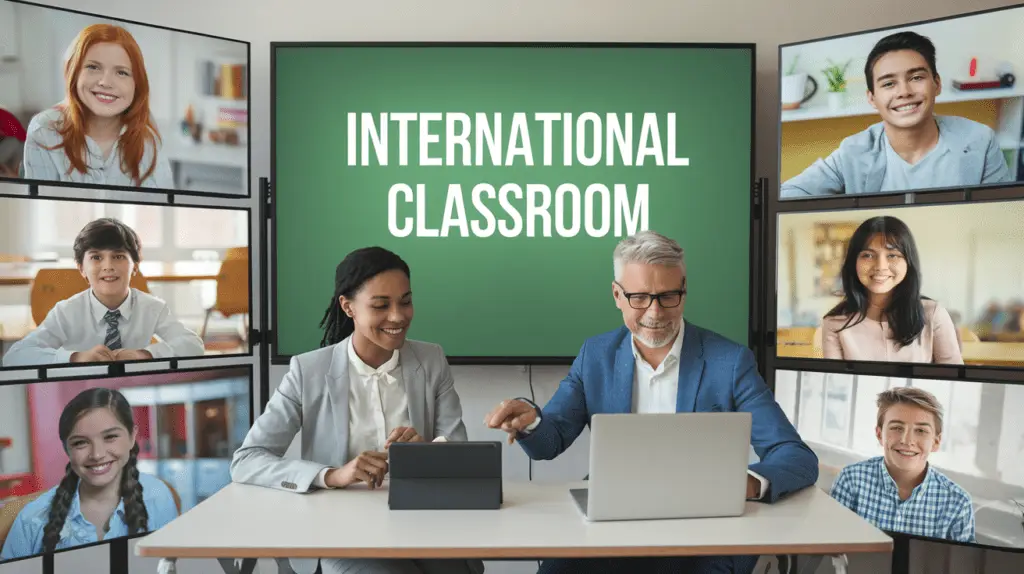
Embrace the Future of Education with COIL and Class2Class
Collaborative Online International Learning is more than just a teaching method – it’s a gateway to a world of opportunities for your students. By embracing COIL, you’re not just teaching your subject matter; you’re preparing your students to be informed, empathetic, and capable global citizens ready to tackle the challenges of tomorrow.
At Class2Class, we’re committed to making COIL accessible and effective for teachers and students worldwide. Our platform provides the tools, resources, and support you need to implement successful COIL projects in your classroom. From project ideas aligned with SDGs to easy-to-use collaboration tools, we’re here to help you every step of the way.
No dejes que las fronteras limiten el potencial de tu clase. Únete a la comunidad global de educadores que apuestan por el aprendizaje colaborativo internacional en línea y observa cómo los horizontes de tus alumnos se amplían más allá de lo que jamás habías imaginado.
As Sandra Maj, a teacher from Poland, shared: “It’s been a pleasure to collaborate with Class2Class.org teachers! My students and I loved celebrating World Environment Day together. I’m also grateful for the opportunity to connect with teachers and classes from around the world!”
Ready to start your COIL journey? Sign up for a free Class2Class account today and unlock a world of collaborative learning opportunities for your students!
By embarking on this exciting journey with Class2Class, you’re not just adopting a new teaching method – you’re joining a global movement of educators committed to preparing students for success in our interconnected world. Let’s collaborate, innovate, and inspire the next generation of global citizens together!
Para obtener más información sobre el impacto de las iniciativas de educación global, visite el sitio web de los Objetivos de Desarrollo Sostenible de las Naciones Unidas.