In partnership with


Go to event page
📅 June 8 · International Awareness Day
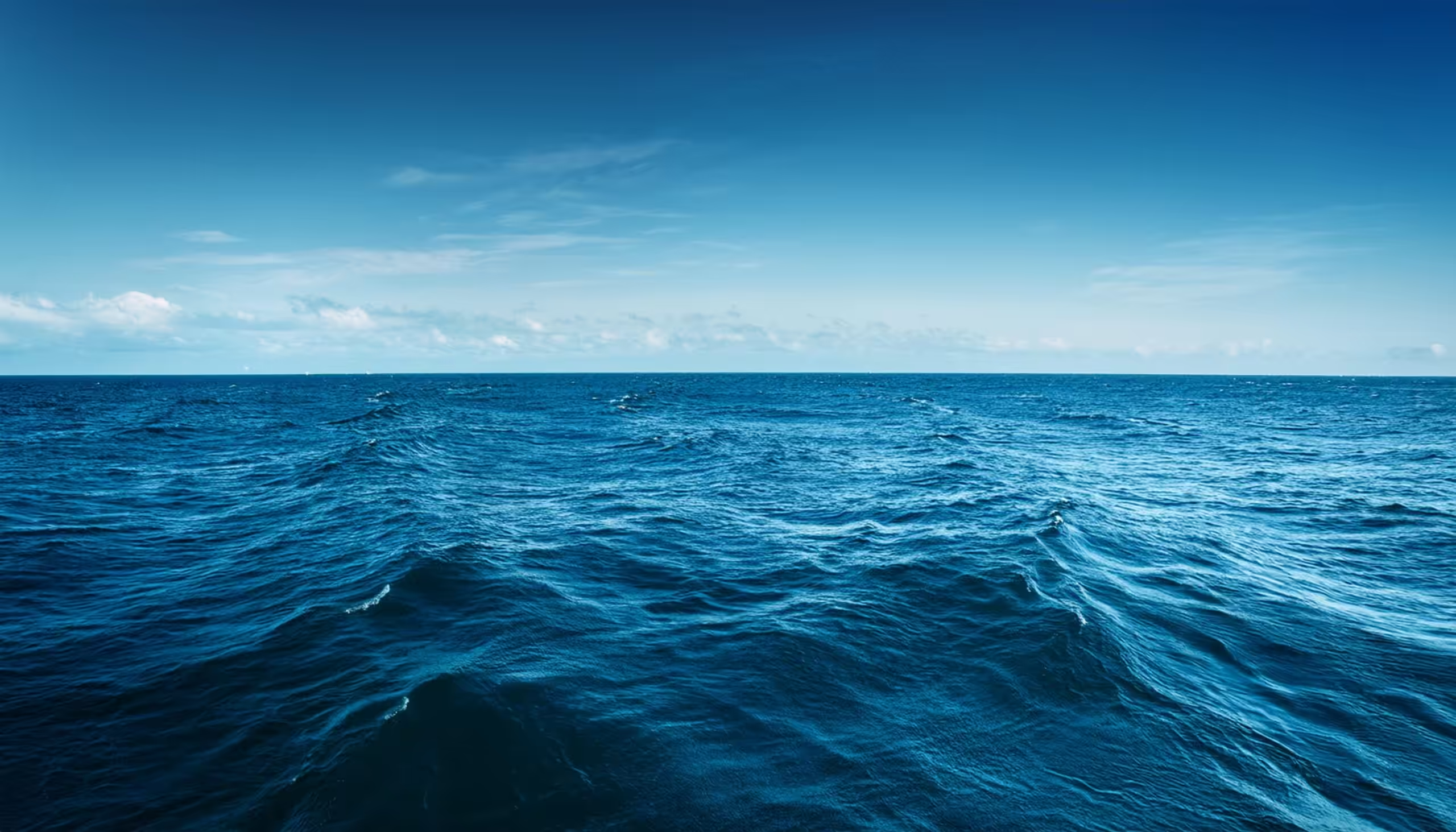
Every June 8, World Oceans Day invites teachers and students everywhere to celebrate the life-giving role our oceans play and to take action for marine ecosystems under pressure. Through global classroom projects, your students can investigate ocean challenges, connect with peers across borders, and design solutions for a healthier blue planet.
Proclaimed by the United Nations General Assembly in 2008, World Oceans Day reminds us that the ocean covers more than 70% of our planet, produces at least half of the oxygen we breathe, and is home to most of life on Earth. Yet rising temperatures, plastic pollution, and overfishing threaten marine ecosystems on every coast. The day directly supports SDG 14: Life Below Water and the broader vision of education for sustainable development.
When classrooms become a global classroom, students stop reading about coral reefs and ocean currents from a textbook and start comparing real coastlines, weather patterns, and conservation efforts with peers across the world. They share data, swap stories, prototype clean-up campaigns, and discover that ocean protection is a deeply local act with global consequences — exactly what UN Ocean Conference partners promote every year. Celebrating World Oceans Day in your classroom turns one date on the calendar into a year-round commitment to marine literacy, scientific curiosity, and global citizenship.
¿Quieres descubrir más días de concienciación? Visita nuestro calendario de los ODS para conocer oportunidades de aprendizaje basado en proyectos durante todo el año.
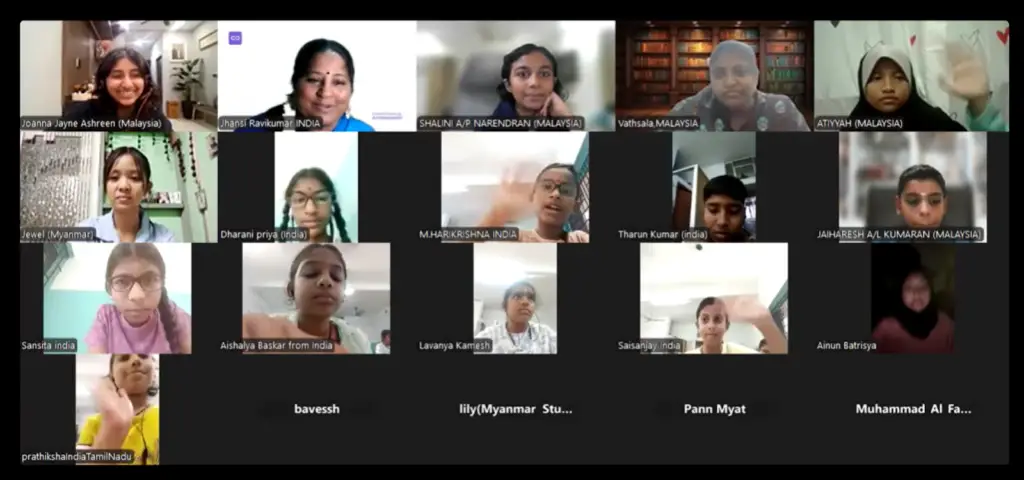
By exploring our oceans with peers around the world, students grow the competencies they need to become curious, caring, action-ready global citizens.
Students learn to observe marine ecosystems, identify threats to ocean health, and connect everyday choices to the well-being of the sea.
Students analyze causes and consequences of plastic pollution, overfishing, and climate change, then design solutions they can test in their own communities.
Students see themselves as members of one ocean-shared world and develop a sense of shared responsibility for protecting blue ecosystems across borders.
Working with classrooms abroad teaches students to share data across coastlines, listen to different ocean stories, and co-create projects that travel further than any one school could.
Two ready-to-use projects to celebrate June 8 with classrooms around the world — pick one and start a global ocean collaboration today.
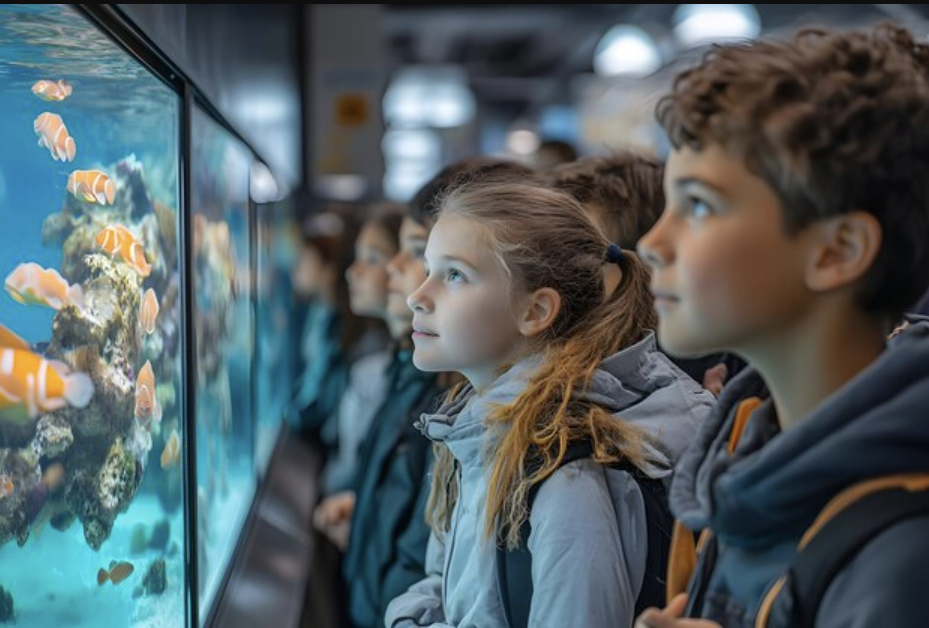
De 6 a 13 años · Inglés
Primary students dive into ocean-themed challenges, marine trivia, and creative team contests with international peers — learning about ocean conservation through play.
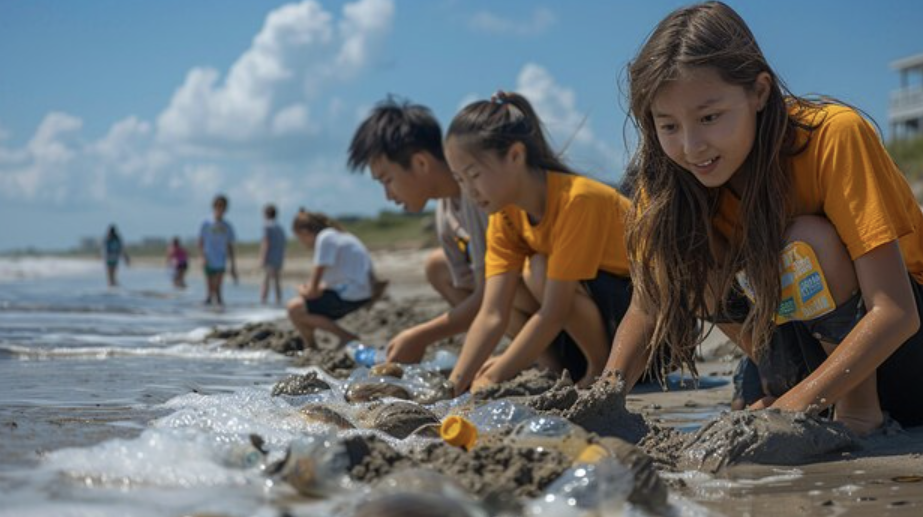
De 13 a 19 años · Inglés
Secondary students use design thinking to investigate marine challenges, empathize with stakeholders, and prototype innovative solutions for ocean conservation.
Idea para un proyecto · De 6 a 13 años
A joyful, hands-on way to mark World Oceans Day with younger learners. Primary classrooms in different countries team up as ocean explorers — competing in fun marine challenges, swapping ocean knowledge, and discovering how connected our seas really are.
Children partner with a classroom in another country and compete together in a series of ocean-themed mini-Olympics: marine trivia tournaments, marine masterpiece art challenges, and team conservation pledges. Activities mix research, creativity, and friendly competition — and the project culminates in a celebration where every student earns a place on the global Ocean Olympiad podium. The C2C platform guides teachers through every step, making it easy to host a meaningful ocean experience with minimal prep.
Concienciación medioambiental
Children learn to name marine creatures, recognize ocean ecosystems, and understand how everyday choices affect water health.
Colaboración y trabajo en equipo
In mixed international teams, kids learn to listen, share roles, and cheer each other on through every challenge.
Comunicación
Reading clues, presenting team answers, and explaining marine ideas builds confidence speaking — across languages and cultures.
Ciudadanía global
Children realize that protecting the ocean is a worldwide job — and that they have teammates on every continent.
Idea para un proyecto · Edades: 13-19 años
A powerful way for secondary students to mark World Oceans Day with real, project based learning. Teens partner with a classroom abroad to research a pressing marine challenge, apply the design thinking process, and prototype innovative ocean-conservation strategies they can champion in their communities.
Secondary students choose a marine challenge — plastic pollution, overfishing, coral reef decline, coastal erosion — and team up with a partner classroom across the world to investigate it. They walk through the full design thinking cycle: empathize with affected communities, define the problem, ideate solutions, prototype a strategy (a policy proposal, an app, a campaign, a product), and test it. The journey ends in a shared global showcase where each team presents its conservation strategy. The C2C platform supports teachers through every COIL-style step.
Pensamiento crítico y resolución de problemas
Teens break complex marine issues into root causes and test feasible solutions, learning to question assumptions along the way.
Creatividad e innovación
Design thinking pushes students to prototype bold ocean-conservation ideas — from product concepts to public campaigns — and iterate on what they learn.
Empatía y comprensión intercultural
Empathy interviews with coastal communities and partner peers teach teens to design with people, not just for them.
Liderazgo
Pitching solutions to an international audience builds the confidence to advocate for ocean health in local communities and beyond.
Join teachers from around the world in connecting classrooms for ocean action through education for sustainable development. Explore our SDG Calendar for more project based learning opportunities all year.