
What is Environment?
Environment is two questions wearing one name, and keeping them apart is most of the work.
This evaluates the environmental impact of the technology itself (computing footprint, devices, digital infrastructure) and its contribution to environmental education. ICEI 5E Standards & Definitions
The first question is operational: what it costs the planet to run this software, counting the servers, the data transfer, and the devices it expects students to own. The second is educational: whether the product actually builds environmental awareness in the people using it.
An organisation can be strong on one and weak on the other. In edtech the two are routinely conflated, usually by letting a good educational story imply an operational one that was never measured.
These are the four things we actually do about it, all on the learning side, where we can demonstrate something.
-
Sustainability as content
Sustainability and global citizenship are part of how Class2Class projects are designed, helping students develop a broader understanding of their role in their communities and the world.
-
Tagged to the Goals
Projects carry Sustainable Development Goal tags, which connects a classroom’s work to a shared international framework.
-
Oriented to local action
The design pushes students from understanding an issue to doing something about it in their own community.
-
Assessed, not assumed
Environmental learning runs through the same evaluation flow as any other competency, so it is assessed rather than taken on trust.
Why it matters
Environmental challenges are global, but they are experienced locally. Climate change, biodiversity, waste, water, energy, and sustainable development can look very different depending on where a student lives.
Class2Class gives students the opportunity to explore these challenges with classrooms in other parts of the world. By comparing perspectives and local realities, students can move beyond learning about environmental issues to understanding how they affect different communities and what responses are possible.
The goal is to connect awareness with agency: helping students understand the world around them, learn from others, and see how their ideas and actions can contribute to positive change.
How we work on Environment
Environment is integrated into the way Class2Class connects global learning with local understanding and action.
Connecting global challenges with local realities
- Sustainability and global citizenship are part of how Class2Class projects are designed, helping students develop a broader understanding of their role in their communities and the world.
- Projects can connect to the UN Sustainable Development Goals (SDGs), giving classrooms in different countries a shared framework for exploring challenges that may look very different in each community.
Learning from other classrooms
- Cross-classroom collaboration allows students to discover how environmental and sustainability challenges are experienced in other parts of the world.
- Students can compare perspectives, share what is happening in their communities, and learn from the ideas and experiences of their peers in other countries.
From understanding to action
- Class2Class projects are designed to go beyond awareness. Where relevant, students are encouraged to investigate an issue, explore different perspectives, develop ideas, and connect their learning to actions they can take in their own context.
- This supports a central goal of the Class2Class experience: helping students see themselves not only as learners, but as people capable of contributing to positive change.
Connecting learning to competencies
- Environmental learning is connected to the broader Class2Class educational framework. Through projects, students can develop competencies such as critical thinking, collaboration, global awareness, communication, and problem-solving while exploring real-world challenges.
Environment from different perspectives
Environment becomes meaningful in different ways for teachers, students, and partners. Here is how each can engage with sustainability through Class2Class.
Bring global sustainability into your classroom
Use Class2Class projects to help students explore environmental challenges through local and international perspectives.
- Connect project activities to relevant Sustainable Development Goals and real-world challenges.
- Give students opportunities to compare what an environmental issue looks like in their community with the experiences of classrooms in other countries.
- Encourage students to move from understanding a challenge to exploring ideas and actions within their own context.
- Use sustainability projects to develop broader competencies such as critical thinking, collaboration, communication, problem-solving, and global awareness.
Explore a global challenge from where you are
Your community is one part of a bigger picture. Class2Class gives you the opportunity to discover how students elsewhere experience the same global challenges.
- Explore environmental challenges that affect your community.
- Discover how the same issue can look different in another part of the world.
- Exchange perspectives and ideas with students from other classrooms.
- Think about what you and others can do in response to the challenges you explore.
- Build skills such as collaboration, critical thinking, communication, and global awareness along the way.
Turn global priorities into classroom experiences
Class2Class helps partners connect sustainability goals with educational experiences that students can explore across countries and communities.
- Connect projects to relevant Sustainable Development Goals and sustainability priorities.
- Bring a global issue into classrooms while allowing students to explore it through their own local realities.
- Create opportunities for cross-classroom and cross-country collaboration, connecting students around shared challenges.
- Design experiences that move from awareness and exchange toward ideas and meaningful local action.
- Connect sustainability learning with competencies that can be developed through the Class2Class educational framework.
Connecting learning to the Sustainable Development Goals
The Sustainable Development Goals give classrooms around the world a shared language for exploring global challenges. Class2Class uses this framework to help connect what students learn locally with challenges and perspectives beyond their own communities.
-
 Goal 4Quality Education
-
 Goal 12Responsible Consumption and Production
-
 Goal 13Climate Action
Goal 4: Quality Education
Education is at the heart of the Class2Class approach. Target 4.7 specifically calls for learners to develop the knowledge and skills needed to promote sustainable development, including global citizenship.
Class2Class projects can bring these ideas into collaborative learning experiences where students explore real challenges, encounter different perspectives, and develop relevant competencies.
Goal 12: Responsible Consumption and Production
Projects connected to Goal 12 can help students investigate how the choices people and communities make affect the world around them.
Through collaboration, students can compare habits and realities across countries, explore more sustainable approaches, and consider what could change within their own context.
Goal 13: Climate Action
Climate change is global, but its effects and responses vary greatly between communities.
Class2Class can connect classrooms around these different realities, giving students an opportunity to understand climate challenges through the experiences of their peers and explore what meaningful action could look like locally.
And beyond these Goals
Environmental learning is not limited to Goals 4, 12 and 13. Depending on the project, students may also explore issues connected to clean water, clean energy, sustainable cities, life below water, life on land, and other Sustainable Development Goals.
By connecting projects to relevant SDGs, Class2Class helps classrooms understand how local challenges are connected to a larger global picture. Browse the SDG calendar to see what classrooms are running now.
Related resources
The practical material behind the learning half of this dimension.
 Article
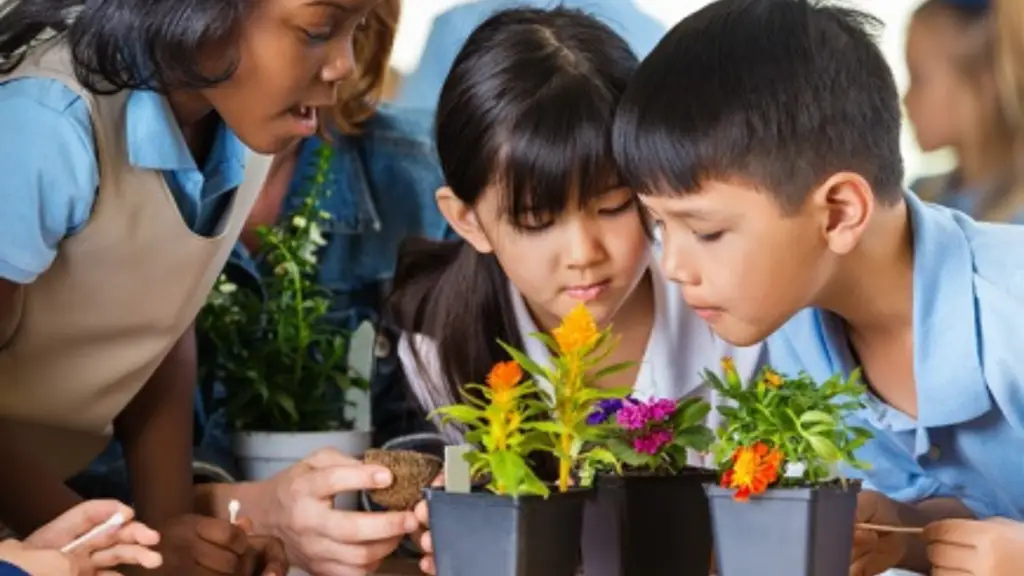
Education for Sustainable Development
How sustainability becomes part of a global collaboration rather than a separate unit.
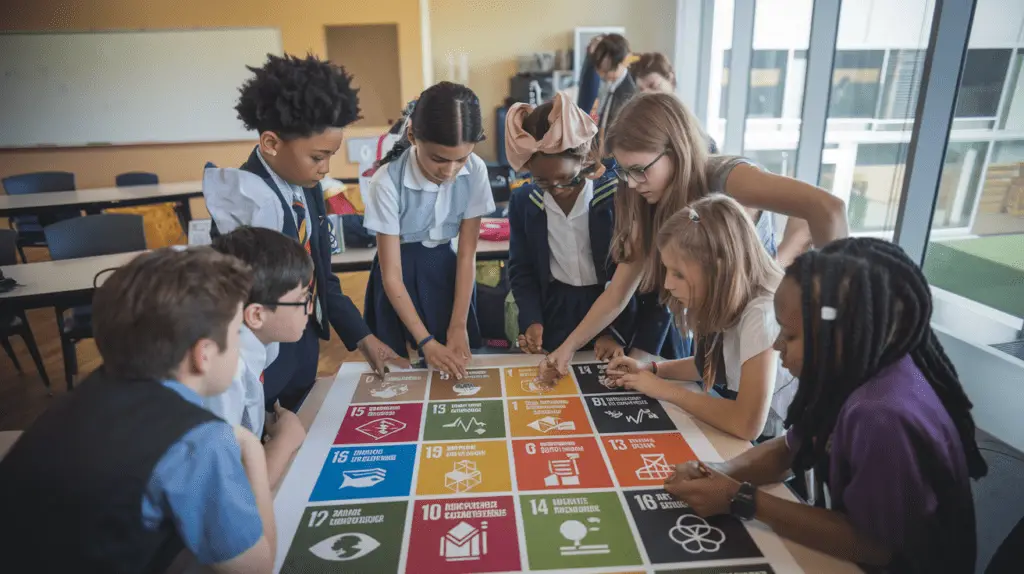 Teacher guide
The Goals: A Teacher’s Guide
What the 17 Goals are, and how to use them as a shared frame with a partner classroom.
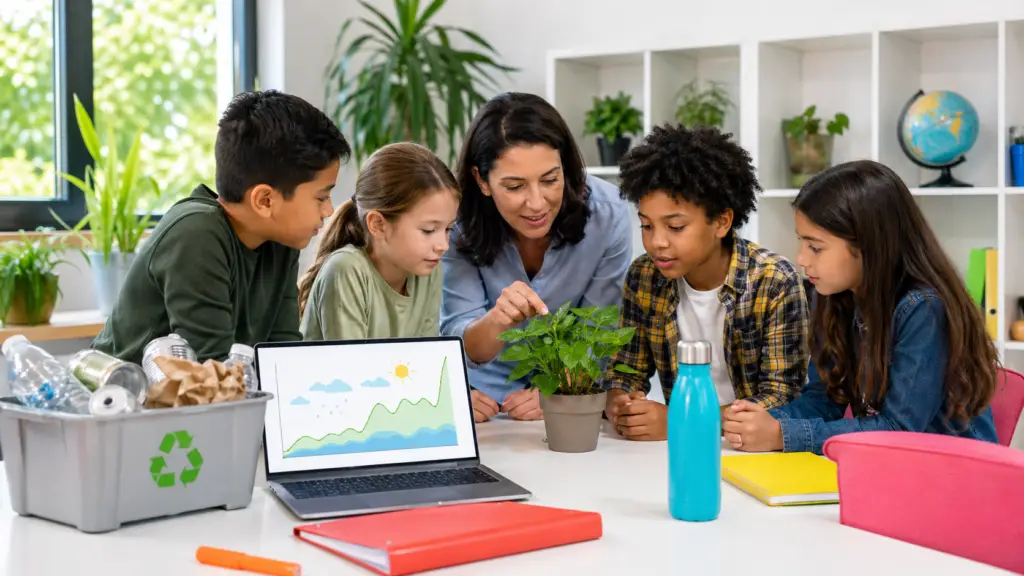 Teacher guide
Teaching Goal 13 in K-12
Climate action in a classroom, from understanding the problem to acting on it locally.
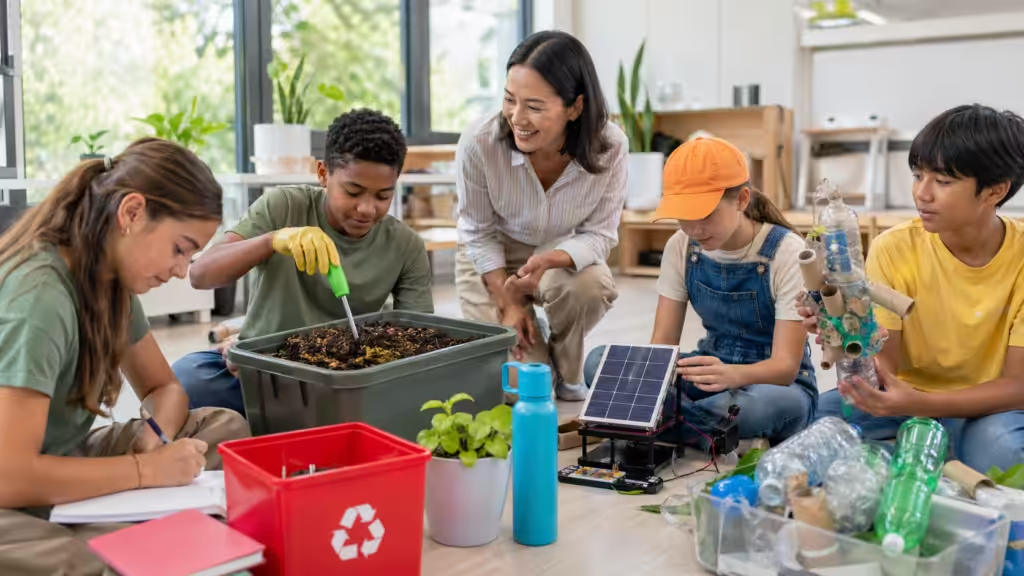 Article
Student Sustainability Projects
Project ideas that end in something students actually do in their own community.
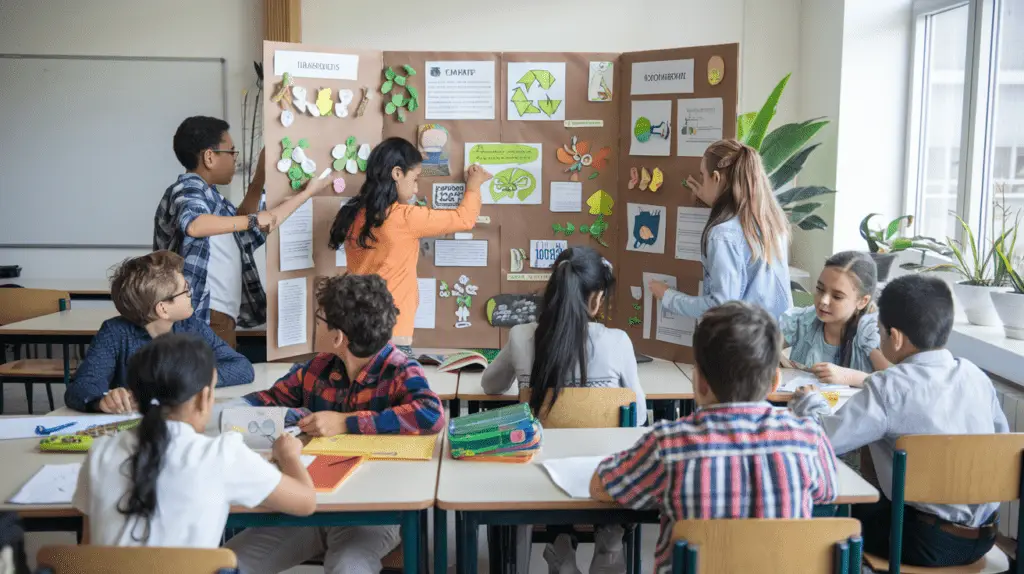 Teacher guide
Five ESD Strategies
Five practical ways to build sustainability into how a class already works.
 Classroom story
The Climate Chat Podcast
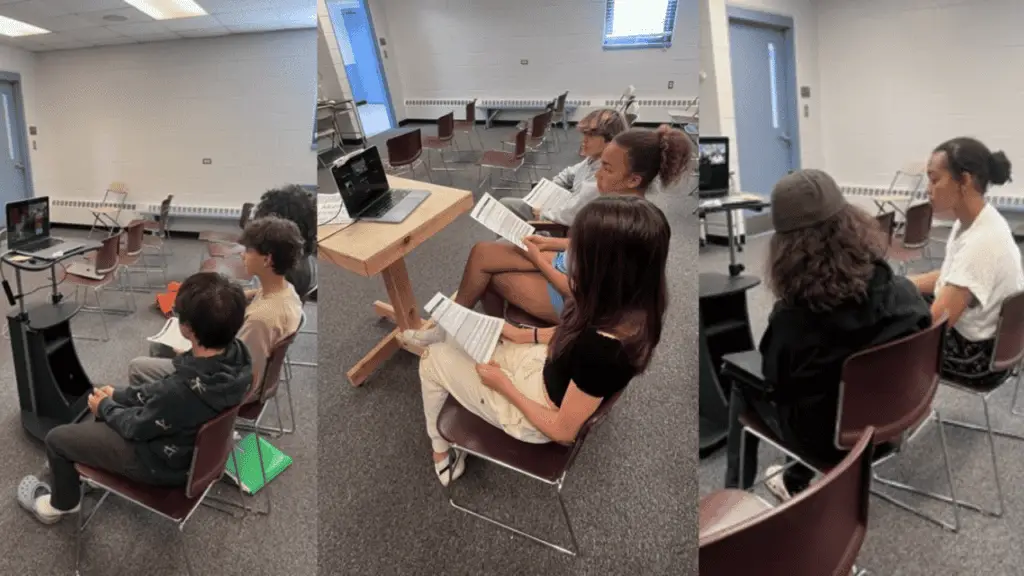
Students in different countries building a climate podcast together.
Environment is one of five.
Each dimension catches a different way a well-meaning product can fail. They are read together, not in isolation.