
Preparing students for a world where everything is connected is more than just a popular phrase—it’s a challenge we face every day. You’re asked to develop critical thinking, communication, collaboration, and global citizenship, but often without clear ways to do this in your classroom.
Global classroom projects are a practical way to do this.
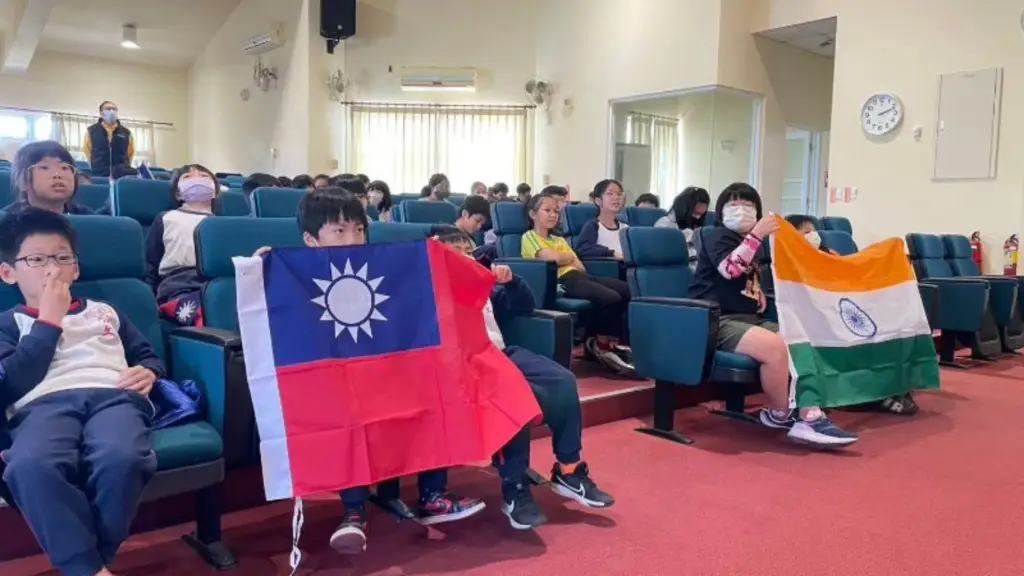
Students work with peers from other countries on learning activities that are important to them. They don’t just learn about global issues—they experience collaboration across cultures, analyse real problems, and create solutions that matter beyond the classroom.
This guide explains how global classroom projects can help children to develop the skills they need for the 21st century. It also explains how you can use these projects in your teaching.
1. Why Global Classroom Projects Build Real Skills
Skills Develop Through Real Collaboration
Global classroom collaboration works because learning happens through action, not theory. When students collaborate with an international partner classroom, skills develop naturally:
- Critical thinking grows as students compare perspectives, question their assumptions, and look at problems from different cultural viewpoints
- Communication skills improve through exchanges that require clarity, patience, and understanding across languages and contexts
- Collaboration strengthens as students work together across time zones, navigate different school systems, and build understanding with peers they’ve never met
- Global awareness—understanding how local and global issues connect—emerges from real intercultural work
For example, when students in Brazil and Denmark work together on a project about sustainable energy, they don’t just exchange facts. They compare how energy is used in their communities, discuss what “sustainability” means in different contexts, and create solutions informed by both local and global realities.
This is Project-Based Learning at its best: students investigate meaningful questions, create real products, and share their work with authentic audiences—while developing skills that matter far beyond one assignment.
Teaching Global Citizenship Through Experience
Teaching global citizenship is more effective when students actually participate in it. At Class2Class, every project connects to three important educational frameworks:
- Global Citizenship Education: Students develop a sense of belonging to a shared world and understand that global challenges require cooperation
- Education for Sustainable Development: Projects connect to the UN Sustainable Development Goals (SDGs), giving students’ work real-world purpose
When students work together on themes like climate action, cultural understanding, or community wellbeing, global citizenship becomes personal and practical—not just content to memorize.
2. From Theory to Classroom Practice
You don’t need to redesign your curriculum to start a global classroom project. The best projects connect to what you already teach. Here are two real examples that show how different subjects and age groups can benefit from global collaboration:
Example 1: Water Warriors – Environmental Science Through Design Thinking (Ages 6-13)
Project Overview: Students collaborate across borders to investigate water conservation and access in their local communities, then work together to develop practical solutions.
How It Works:
- Students research water usage patterns in their communities through interviews and data collection
- They share findings with their partner class using the project board
- Together, they identify shared water challenges across different contexts
- Using Design Thinking methodology, teams brainstorm solutions—from creating “Water Hero Home Kits” to designing educational comic books about water conservation
- Students prototype their ideas using recyclable materials and test them in their homes
- Final presentations happen via video call, where classes share prototypes and reflect on what they learned
Skills Developed: Critical thinking, problem-solving, collaboration, global citizenship, communication
What Makes It Work: This project connects to SDG 6 (Clean Water and Sanitation) and transforms a science topic into a real-world challenge. Students don’t just learn about water—they investigate actual community issues, compare global realities, and create tangible solutions. The Design Thinking approach gives structure while leaving room for creativity.
Example 2: Building Safe Digital Futures – Media Literacy and Digital Citizenship (Ages 13-19)
Project Overview: International student teams explore digital privacy challenges across diverse regions and co-create youth-led solutions to protect personal data.
How It Works:
- Students complete a questionnaire about their digital habits and compare results across countries
- International teams research different aspects: digital privacy laws (GDPR, COPPA), data breaches, how platforms use data, and youth perceptions of privacy
- Teams create comparative tables and infographics highlighting differences between countries
- Students develop a collaborative glossary defining key terms (informed consent, cookies, metadata, digital surveillance)
- Teams brainstorm solutions: awareness campaigns, technological tools, policy proposals, or educational guides
- They prototype their ideas and test them with peers, teachers, and family
- Final video call features a “Global Privacy Expo” where teams present solutions
Skills Developed: Critical thinking, digital literacy, research skills, collaboration, ethical reasoning, global citizenship
What Makes It Work: This project connects to SDG 16 (Peace, Justice, and Strong Institutions) and addresses a topic students actually care about—their online lives. By comparing privacy laws and digital cultures across countries, students see how global issues play out differently in local contexts. The solution-creation phase empowers them to be active agents of change rather than passive consumers of technology.
3. Making Learning Visible: Tracking Skill Development
One of the biggest questions teachers ask is: “How do I know students are actually developing these skills?”
C2C projects include a clear evaluation system that makes skill growth visible and trackable—not just assumed.
Evaluation Throughout the Project
C2C uses a structured approach across three key moments:
1. Initial Evaluation: Students reflect on their starting point—prior knowledge, current skills, emotions, openness to other cultures, and expectations. This creates a baseline you can compare against later.
2. Throughout the Project: Students document progress through their work, interactions with the partner class, and brief reflections built into activities. This isn’t extra paperwork—it’s natural documentation of the learning process.
3. Final Evaluation: Students reflect on what they learned, how their skills developed, and how their attitudes changed. By comparing initial and final responses, you see real growth.
This isn’t about grading—it’s about helping students recognize their own learning and giving you clear evidence of skill development.
4. How Class2Class Supports Teachers
Why Starting Alone Is Difficult
Many teachers interested in global collaboration struggle to begin:
- Finding reliable partner teachers with similar schedules and interests
- Designing collaboration from scratch
- Managing communication across schools
- Keeping projects educationally meaningful (not just “fun exchanges”)
- Creating evaluation systems that actually track skill development
Without support, many global classroom projects never get past the planning stage.
Global classroom projects develop essential skills that traditional lessons can’t fully provide. Through structured collaboration based on COIL, Project-Based Learning, and Design Thinking, students build communication, critical thinking, empathy, and global awareness—by using them to create meaningful work with real peers.
Whether students are investigating water conservation or tackling digital privacy challenges, they’re not just completing assignments. They’re experiencing what it means to collaborate across cultures, understand different perspectives, and create solutions together.
You don’t need perfect resources or years of experience. You need a clear framework, a willing partner classroom, and support when you need it.
Create your free teacher account at Class2Class.org and start building global skills through real classroom collaboration.