International Biodiversity Day: classroom projects for May 22
International Biodiversity Day is observed on May 22. Start with plants and animals near your school: record observations, compare them with a partner class and explain one way to care for the habitat. Choose a biodiversity journal for younger learners or a conservation inquiry for older students.
Last updated
Discover life around your school
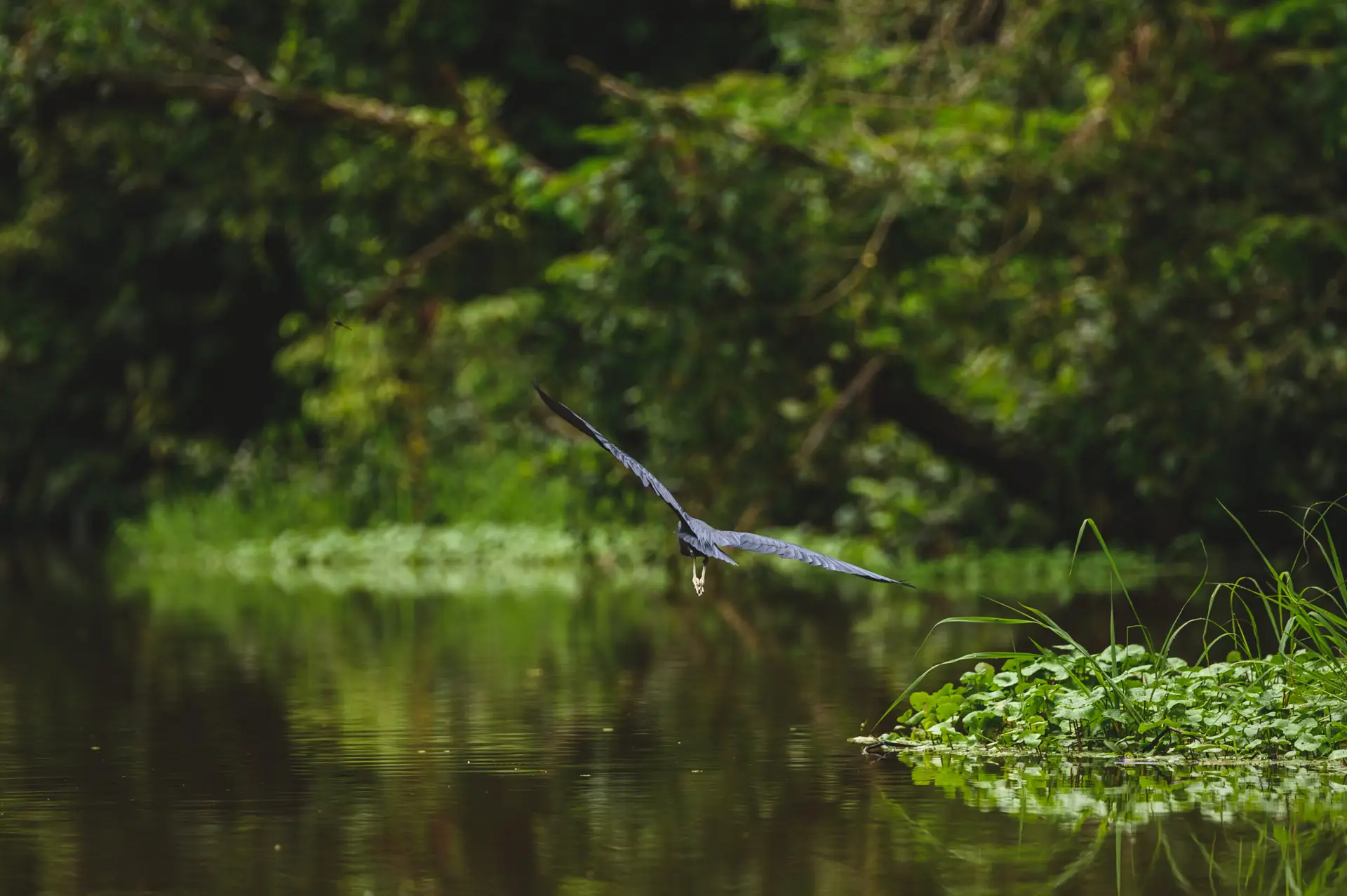
Which plants, insects and birds can students find near school, and what do they notice about the places those species live? Looking closely at a familiar habitat gives the class something concrete to share. A partner class can introduce a different local ecosystem and new questions to explore.
Begin with an observation students can record through a drawing, photograph or journal entry. The projects below build from those discoveries into a shared biodiversity guide or a conservation proposal, helping students compare habitats and explain how they could care for them.
Project ideas
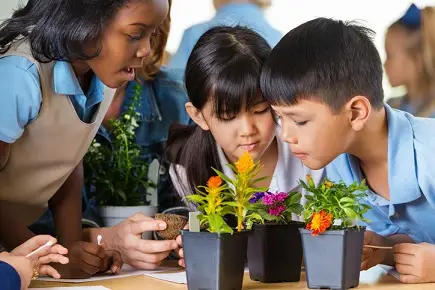
Biodiversity Buddies: observe and share local life
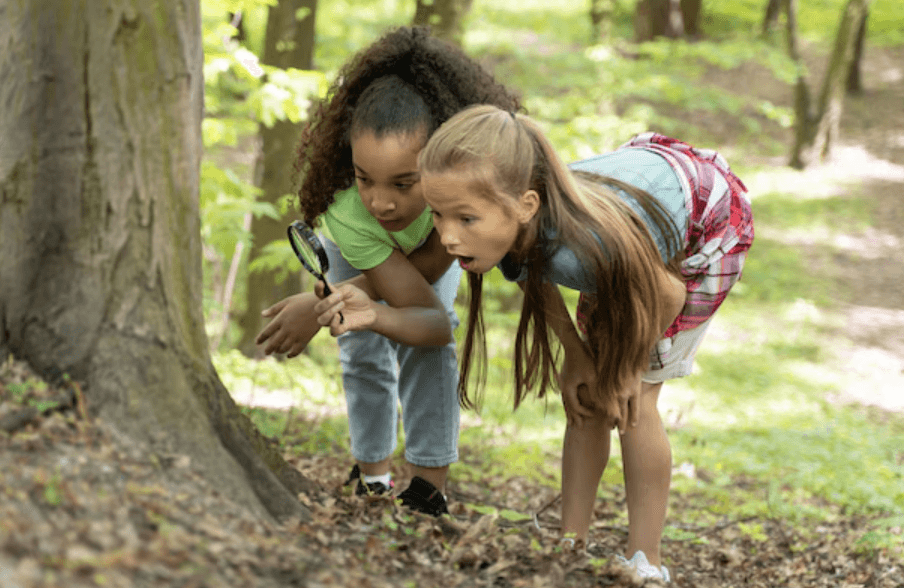
Guide younger learners through a schoolyard or local nature observation. Photograph, draw and catalogue the plants, insects, birds and other animals they find. Keep an illustrated biodiversity journal with a place, date and observation for each entry.
Exchange journal pages with a partner class through drawings, photos, short videos or presentations. Ask students to compare the species and habitats, then co-create a guide explaining both environments. Use the records to help students distinguish an observation from a question they want to investigate.
- Research: observe and document species through guided field activities.
- Creativity: use illustrated journals, videos and presentations to explain discoveries.
- Global awareness: compare ecosystems in different places and discuss their connections.
- Communication: present scientific ideas clearly through drawings, photos and explanations.
Biodiversity Explorers: investigate a conservation question
Invite older students to investigate the health of a local ecosystem. With the partner teacher, choose a shared question about habitat loss, invasive species or declining pollinator populations. Each class can research its own context and compare the evidence.
Use structured inquiry and design thinking to identify causes, consider possible responses and co-develop a conservation proposal. Check the proposal against the data and local conditions. Teams can present their research in an agreed live call or exchange recorded presentations and feedback.
- Critical thinking: analyse biodiversity data, identify possible causes and test the feasibility of conservation proposals.
- Leadership: guide a research team, coordinate the exchange and organise the final presentation.
- Collaboration: use agreed digital tools to combine findings and respond to peers.
- Self-awareness and reflection: consider personal environmental choices and use peer and self-assessment throughout the inquiry.
Why this day matters
The UN set May 22 as International Day for Biological Diversity in 2000 through resolution 55/201. The date marks the adoption of the Convention on Biological Diversity text on May 22, 1992. Use the day to explore how species, habitats and ecosystems support life and human well-being. Land and freshwater habitat investigations can connect with SDG 15; marine questions can connect with SDG 14.
Observe plants, insects, birds and other animals near your school. A partner class can provide another local example. Compare what the observations show, what remains uncertain and which conservation response fits each place.
Find more observances in the SDG Calendar.
Skills to practise
- Research and investigation: record field observations and species data, then compare findings with another class.
- Environmental awareness: explain how an ecosystem works, why species loss matters and how local choices affect a habitat.
- Empathy and cultural understanding: ask how communities relate to nature and how livelihoods depend on healthy ecosystems.
- Collaboration and teamwork: share discoveries, build a biodiversity guide together and present the findings.
The 2026 theme
The CBD Secretariat published the 2026 theme, "Acting locally for global impact". For your class, connect a local observation with a practical proposal, such as caring for a school habitat or improving a pollinator area. Compare the proposal with your partner class.
Frequently asked questions
When is International Biodiversity Day?
It is observed every year on May 22. The date commemorates the adoption of the Convention on Biological Diversity text in 1992.
Do we need a large natural area?
No. Start with a schoolyard, a garden or another accessible local habitat. Agree safe observation rules and choose a question students can investigate with the available space.
How can I check what students learned?
Ask each student to explain one observation, one comparison with the partner class and one evidence-based conservation idea. Use journal entries, presentations and peer feedback to discuss their reasoning.
Explore a project for your class
Explore a project idea that fits your class. Adapt its activities, then agree a shared question, dates and a small first contribution with a partner teacher.