Living Together in Peace: classroom activities for May 16
The International Day of Living Together in Peace is May 16. Students can act out a peaceful response to a small disagreement or create art about inclusion. Try a short classroom task, then explore Puppets for Peace or Artistic Expressions for Peace with a partner class.
Last updated
Practise listening and inclusion together
Help students explore what listening and inclusion look like in an ordinary classroom moment. A short story or artwork can give partners something specific to discuss without asking students to describe personal conflict.
Explore two classroom projects
Choose a project idea
Puppets for Peace
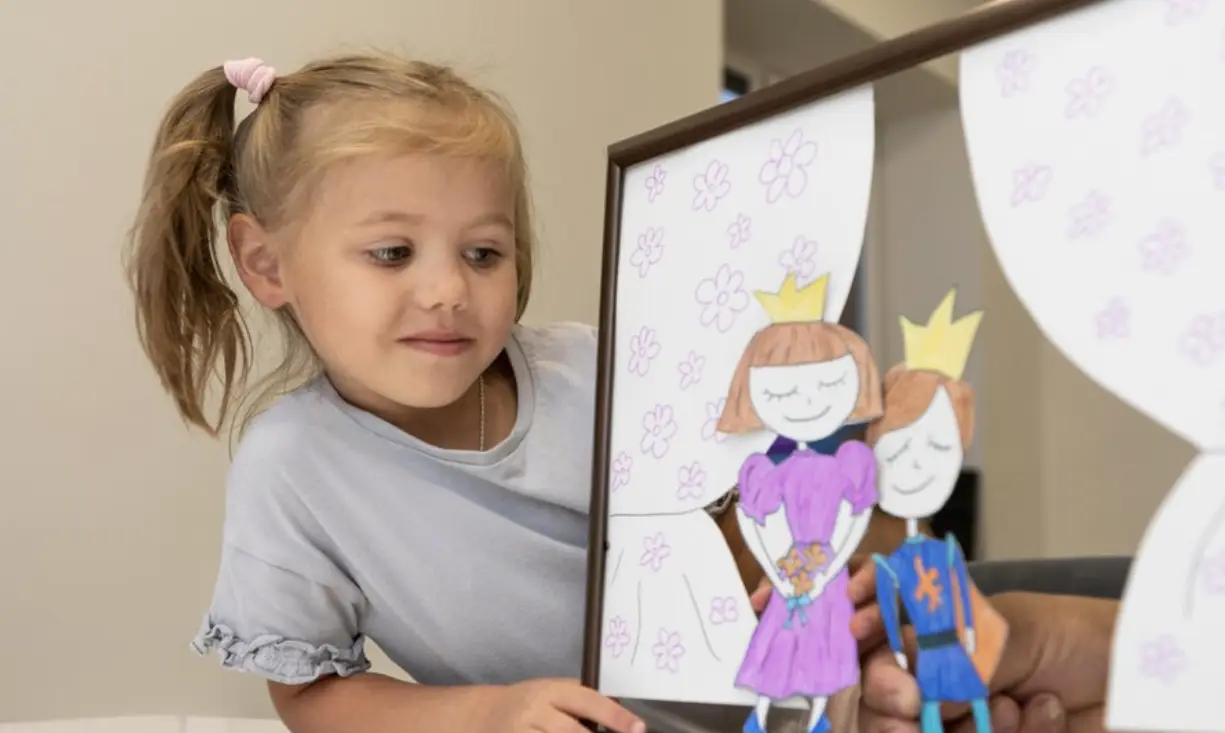
Puppets for Peace uses simple storytelling to explore friendship, cooperation and peaceful conflict resolution. Make puppets from socks, paper bags or clean reused materials. Students can write a short scene, exchange character designs with partners and use their feedback to improve the dialogue. A virtual puppet festival can share the finished scenes, either as recordings or a meeting agreed by both teachers. Give each character a chance to speak and show a concrete step towards solving the disagreement.
Artistic Expressions for Peace
Artistic Expressions for Peace invites students to use painting, sculpture, music, photography or creative writing to explore peace. Older students can research a peace movement, discuss how artists express its ideas, and create both individual and shared work with a partner class. A virtual exhibition can include short explanations of the creative process and a respectful discussion. Ask viewers what they notice before asking for interpretations, so students can hear different meanings without treating one culture as a single story.
The public ideas show four-week plans and age groups. Teachers can adapt the tasks and agree a working language, dates and sharing plan. The short activities below are teaching suggestions, not extra requirements in those project records.
Two activities for listening and inclusion
Rewrite a puppet disagreement
Suggested ages 6-12; allow 35 minutes. Use two paper puppets, pencils and a teacher-written scene about sharing classroom materials. Pairs act out the problem, then add a line that names each character's need and a fair next step. Exchange the scene with partners and ask which line helped. Younger learners can use picture prompts or dictated dialogue; older learners can compare two endings. The outcome is a short scene that shows listening and a workable agreement.
Make a shared peace artwork
Suggested ages 13-18; allow two 40-minute lessons. Use paper or a shared slide and a teacher-selected artwork about peace. Students explain one visual choice, then propose their own image, poem or music fragment about belonging. Combine contributions with partners and add a caption that names the idea behind each choice. Offer drawing or audio as alternatives to long writing. The outcome is a small exhibition with reasons students can discuss, rather than an unexplained collection of symbols.
Use fictional, everyday disagreements and give students a choice of role. If a topic feels personal, they can analyse a teacher-provided example instead of sharing their own experience.
What to look for in students' work
- Empathy and intercultural understanding: describe another perspective before offering a response.
- Communication: use words or images that make a need and a next step clear.
- Creativity and innovation: revise a scene or artwork after hearing feedback.
- Collaboration and global awareness: combine different contributions without making one student speak for a culture.
- Critical thinking and leadership: give a reason for a peaceful solution and make space for each voice.
Why this date matters
The UN General Assembly proclaimed May 16 the International Day of Living Together in Peace through resolution 72/130, adopted on December 8, 2017. The official observance page connects the day with reconciliation, inclusion and a culture of peace. Classroom work can practise those ideas through attentive listening and respectful ways to handle everyday differences.
SDG 16, peace, justice and strong institutions, connects with citizenship education. A partner exchange gives students an opportunity to compare interpretations and work together, while keeping dignity and respectful participation at the centre.
The UN's 2026 theme is Building Trust through Dialogue, Inclusion and Reconciliation. Ask students which change to a scene or artwork could help another person feel heard.
The annual date stays the same. Check the official observance page before using a year-specific theme or campaign in your lesson.
Find more dates and classroom ideas in the SDG Calendar.
Frequently asked questions
Do we need a live performance?
No. A short recording, illustrated script or photograph of the puppets with written dialogue can work. Teachers can choose a format that suits both classes.
How can I include students who prefer not to perform?
Offer narrator, designer, writer or feedback roles. A student can also discuss a prepared example instead of acting.
What is a useful reflection question?
Ask which word, gesture or visual choice made another perspective clearer, and what students would change next time.
Plan your classroom exchange
Choose one project idea, then agree a small task and a response window with a partner teacher.