International Day of Persons with Disabilities: classroom activities for 3 December
The International Day of Persons with Disabilities is on 3 December every year. The UN proclaimed it in 1992 to promote the rights and well-being of persons with disabilities. In class, students can find barriers in places, information and technology and suggest how to remove them, with health details kept private.
Last updated
Make school life more accessible
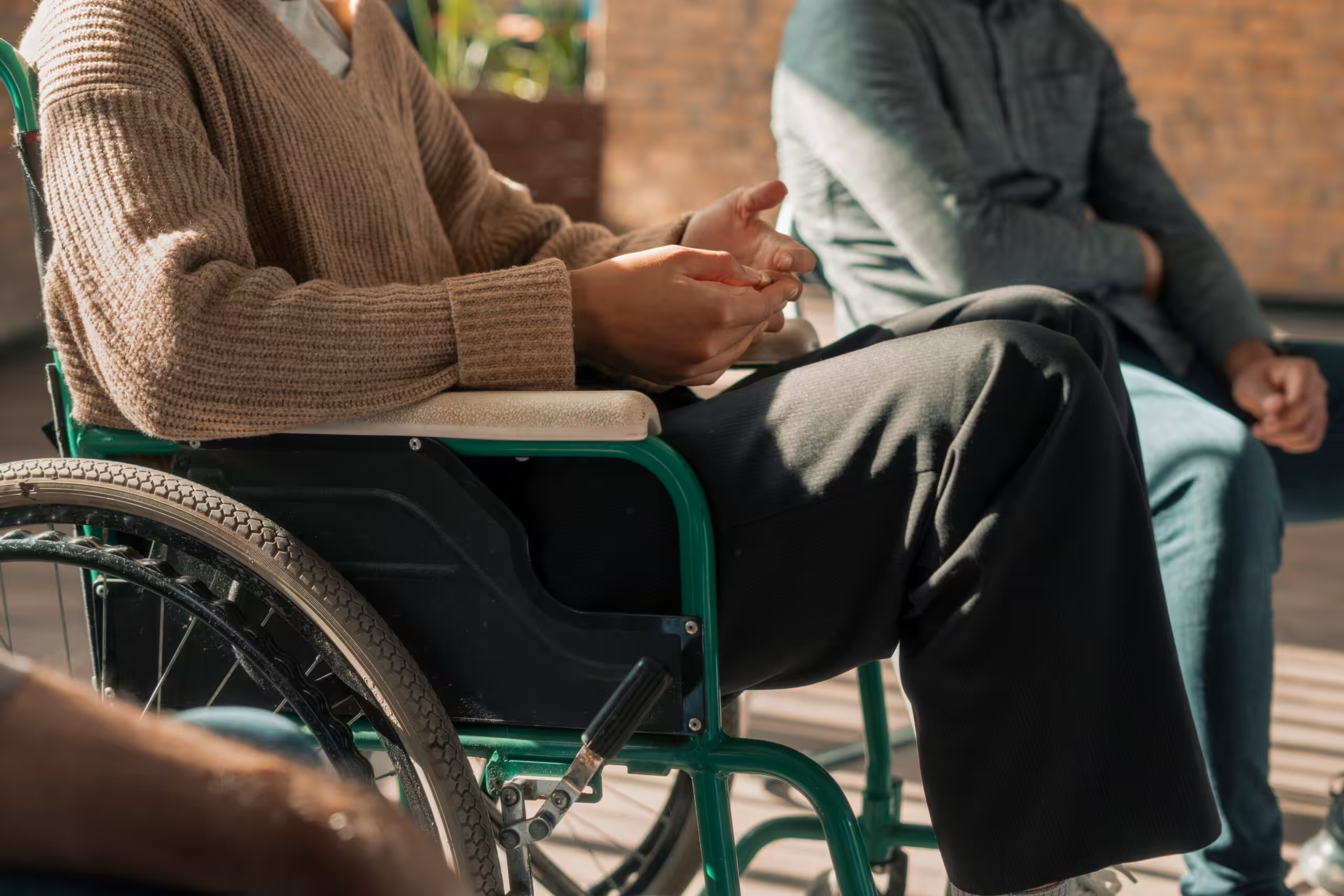
What stops someone from taking part in school life, and what could we change so that everyone can join in? Start with a familiar place or activity, then help students connect the barriers they notice with rights, access and belonging.
Choose a classroom activity for 3 December
These short activities look at barriers and solutions, not at what a disability “feels like”. Choose one and adapt it for your students.
Go on an access walk
Ages 9-15. About 40 minutes. Materials: a short checklist, pencils and a simple map of the school. Small groups look at one place, such as the entrance, the library or the playground. They note what helps people move around, find information and take part, and one barrier they see. Each group suggests one change and explains who it would help.
For younger students, use picture symbols on the checklist and visit one place together. Students can record what they find by writing, drawing, taking photos of places (not people) or telling an adult. Older students can compare their notes with a partner class in another country. Check that each suggestion comes from something the group actually saw.
Check a website or app for access
Ages 13-18. About 45 minutes. Materials: devices with internet access. Groups choose a website or app that students use, such as the school website. They check a few things: do images have text descriptions, do videos have captions, can you make the text bigger, and can you use the page with a keyboard only? Students note what works, one barrier and a fix they would suggest. For a simple method, use the W3C Easy Checks.
For support, give groups a checklist with three questions. Older students can turn their findings into a polite message to the owner of the website or app. This activity is a good start for the Digital Accessibility Champions project below.
Share one message in several formats
Ages 6-12. About 30 minutes. Materials: paper, colours and, if possible, a device to record sound. The class agrees on one message about how to make a game or a lesson open to everyone, such as “Wait for everyone to arrive before you start”. Groups then share the same message in a different way: large print, picture symbols, a short audio recording or a mime.
Ask students why one message can need more than one format, and which format worked best for whom. Display the work at a height where everyone can see and reach it.
Keep the lesson respectful and safe
- Use the words people use about themselves. UN guidance uses people-first language, such as “persons with disabilities” or “students with dyslexia”, and accepts terms such as “deaf person” or “blind person”. Avoid “suffers from”, “special needs” and “differently abled”.
- Do not run games that ask students to “try out” a disability, for example with a blindfold or a wheelchair. Focus on barriers in places, information and attitudes, and on how to remove them.
- Keep health and disability information private. Do not ask any student to explain or share a disability, a diagnosis or the support they receive, and do not use a classmate as an example.
- Show persons with disabilities as people with rights, ideas and skills, not as objects of pity or as heroes for everyday life. Where you can, use sources and stories from persons with disabilities themselves.
- Plan accessible formats for every task: written and spoken instructions, captions on videos, large print, extra time and more than one way to answer.
The UN disability-inclusive language guidelines explain these word choices in more detail.
Explore two inclusion projects
Both Class2Class project ideas run for four weeks in English and connect to SDG 10: Reduced Inequalities. Choose the one that fits your students’ ages, then agree the plan with your partner teacher.
Compare ages and topics
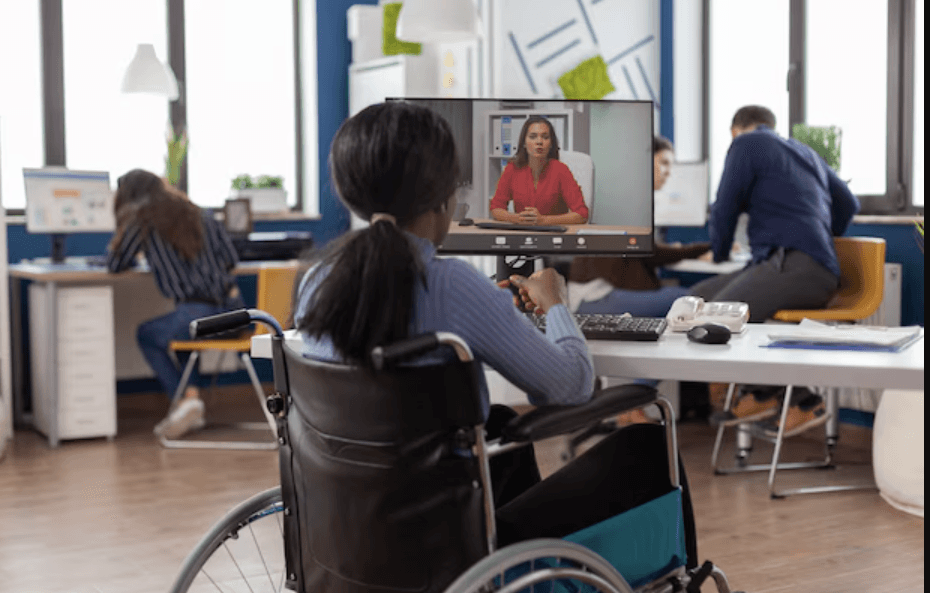
Digital Accessibility Champions: age groups 13-15, 16-18 and 18+
Students investigate how technology can help or hinder inclusion, compare local digital accessibility challenges with international partners and create awareness campaigns for their communities. You could begin with the website check above, compare results with the partner class and plan a campaign for a real audience. Interviews with community members are optional and need their agreement.
Different Abilities, Same Smiles: age groups 6-8, 9-12 and 13-15
Partner classes explore strengths and inclusion through art and storytelling, then create a shared digital celebration. You could start with introduction cards about what each student enjoys or is good at, compare how easy it is to move around and take part in each school, and finish with a shared digital book of pictures and stories about a world where everyone belongs. Students choose what they share about themselves.
What to look for in students’ work
- Observation: students describe a real barrier in a place, a text or a website, based on what they saw.
- Problem-solving: they suggest a realistic change and explain who it helps.
- Respectful communication: they use accurate, respectful words and listen to other views, including the partner class.
- Global awareness: they compare how access and inclusion look in different places without judging a school or a country.
- Collaboration: groups share roles so that every member can contribute.
Why 3 December matters
The UN General Assembly proclaimed the day in 1992 in resolution 47/3. It aims to promote the rights and well-being of persons with disabilities in all areas of society and development, and to raise awareness of their situation in political, social, economic and cultural life. The World Health Organization estimates that 1.3 billion people, about 1 in 6 of us, experience significant disability.
The Convention on the Rights of Persons with Disabilities was adopted on 13 December 2006. It describes disability as the result of the interaction between people with impairments and barriers in attitudes and the environment, and it recognises the right to inclusive education in Article 24. That is why classroom work can focus on barriers that people can remove.
The day connects with SDG 10: Reduced Inequalities. Target 10.2 calls for the social, economic and political inclusion of all, irrespective of disability and other status. The UN announces a theme each year on its observance page.
Use the SDG calendar to find another day that fits your class.
Frequently asked questions
When is the International Day of Persons with Disabilities?
It is on 3 December every year. The UN General Assembly proclaimed it in 1992, and the UN announces a theme each year on its observance page.
Can I mark the day in one lesson?
Yes. Each activity above takes 30-45 minutes and ends with a suggestion or a message students can share. The two Class2Class projects are four-week options if you want to continue with a partner class.
Should students try a wheelchair or a blindfold to understand disability?
No. A short game cannot show what life with a disability is like. Instead, ask students to find barriers in places, information or technology and suggest how to remove them, and use sources and stories from persons with disabilities.
Are Class2Class projects free?
Yes. Class2Class is free for teachers and students. Explore a project idea, then agree the plan, the language and the formats your students need with a partner teacher.
Explore classroom projects
Explore Class2Class project ideas and choose one to adapt for your class.