International friendship day: 6 classroom activities for July 30
International friendship day is observed on July 30. The UN day recognises friendship as a way to build peace and understanding between people and cultures. In class, start with a short activity about listening, kindness or shared interests, then explore an exchange with another classroom.
See the project ideasLast updated
Build friendships through a shared activity
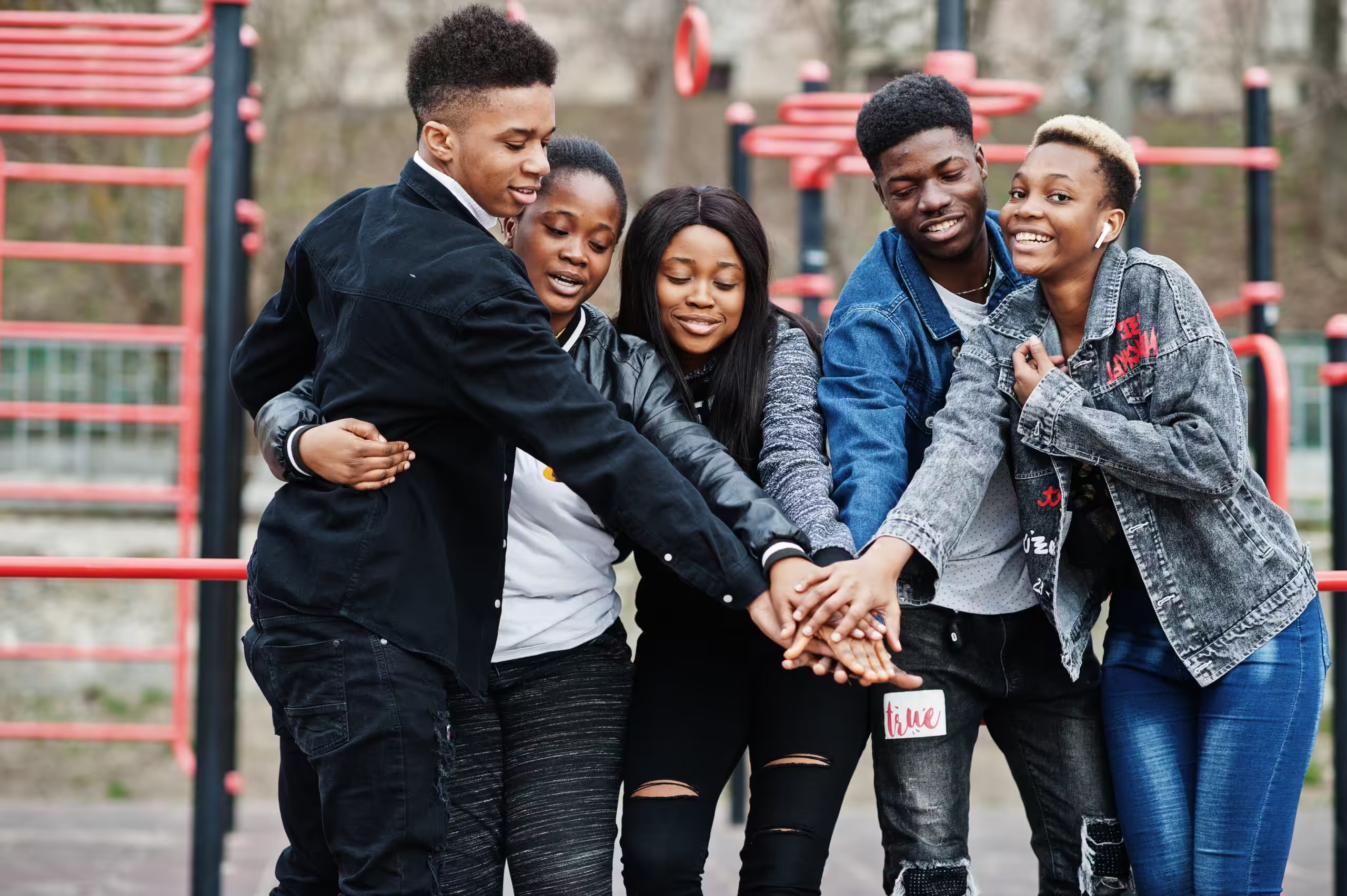
A shared story, game or creative task gives students a way to get to know people beyond their usual circle. With a partner class, they can discover what they enjoy and what they have in common. Begin with a short activity, or let the exchange grow into a longer project.
Two project ideas to explore
Explore the ideas
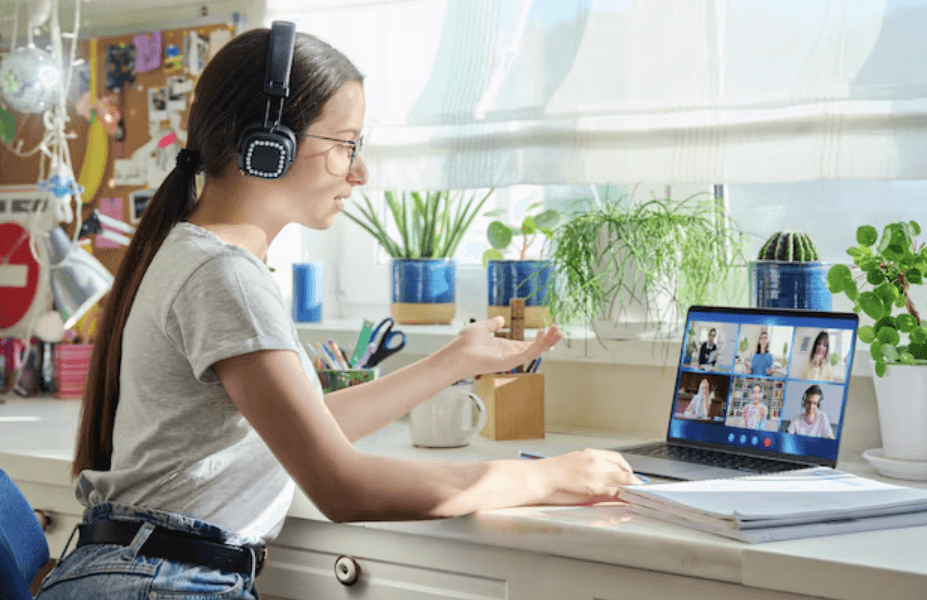
Friendship around the world
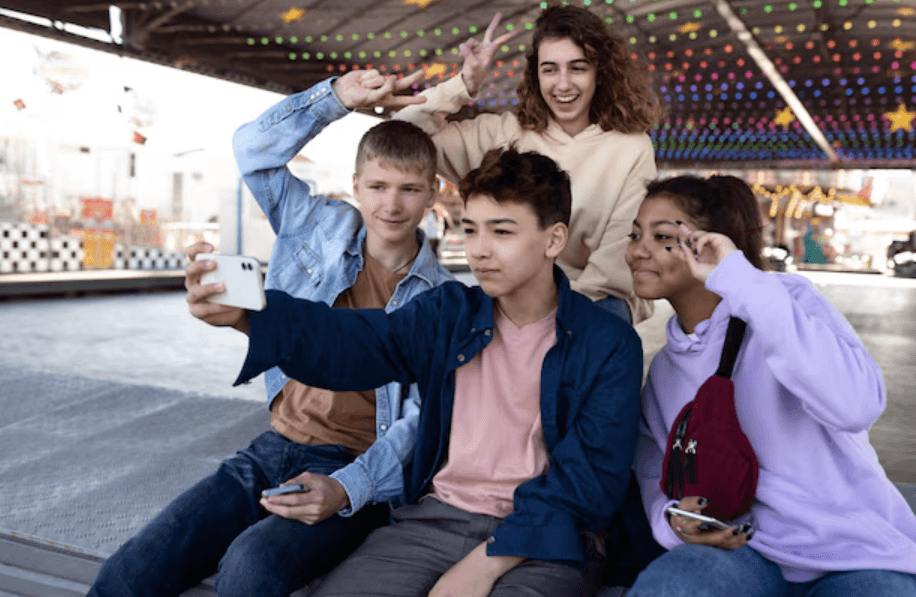
Friendship around the world brings students aged 6-8, 9-12 and 13-15 together over four weeks to share stories, songs, games and crafts. Choose a teacher-led activity that suits your class, then invite partners to share what they made and ask a question about one another's work.
Celebrating International Friendship Day: Building Bridges Across Borders
Students explore friendship, culture and belonging over a four-week project. Groups can begin with shared interests, prepare stories or cultural presentations, and finish with a joint showcase. Add a short reflection about what they learned from someone else.
Six international friendship day activities
The times below are starting estimates. Choose a task that fits your class and allow extra time for a partner class to reply.
1. Listen and retell
Ages 6-13. About 20 minutes. Materials: a story prompt or picture cards.
In pairs, students share a story about something they enjoy. Their partner retells one detail and asks a question. Offer a fictional example so nobody has to share a private friendship experience.
Check whether students can recall what their partner said. Use pictures or sentence starters, or let older students explain what helped them listen.
2. Find a shared interest
Ages 9-19. About 20 minutes. Materials: paper or a teacher-managed shared document.
Students list a few games, books, sports or other interests they choose to share. Small groups find one interest in common and one difference. A partner class can add its own examples before groups reply.
Make a short group introduction that includes both. Give a choice of topics for support; extend the task by asking how groups can include someone with a different interest.
3. Teach a simple game
Ages 6-15. About 25 minutes. Materials: the items needed for a student-chosen game.
Ask groups to explain a game in a few clear steps. Try the game in class, then share the instructions with another classroom. Compare which parts were easy to follow and which needed a picture or example.
Keep the revised instructions as evidence of clear communication. Offer a numbered template, or ask older learners to adapt the game for different spaces or abilities.
4. Make a friendship message
Ages 6-13. About 25 minutes. Materials: paper, drawing tools or optional bracelet materials.
Students make a card, drawing or bracelet with a kind message. Discuss what makes the message specific and welcoming. Share class-level messages with a partner classroom rather than publishing personal contact details.
Ask students to explain their chosen message. Allow symbols or dictated text; older learners can compare how the same message might be understood in different contexts.
5. Create a friendship showcase
Ages 10-19. About 40 minutes, plus time for another class to respond. Materials: paper or a teacher-managed presentation.
Groups create a page with a story, tradition, drawing or photo they are allowed to share. Combine the pages with a partner class and invite questions. Celebrate the range of contributions rather than choosing a "best" friendship story.
Check that every group contributes and replies to a question. Offer a page template; extend the task with captions, translations or a comparison of perspectives.
6. Choose one kind action
Ages 6-19. About 15 minutes. Materials: paper or a class reflection board.
Ask what helped everyone feel included during the activity. Each group chooses one action to try next time, such as inviting another voice or explaining a rule more clearly. Revisit the action after the next exchange.
Record the action and one example of using it. Younger learners can draw their idea; older learners can explain what they would change and why.
Plan a simple exchange
- Choose one activity and one piece of work students will share.
- Agree the language, dates and response format with the partner teacher. A recorded or written exchange can work when lesson times differ.
- Let students choose what they share. Use teacher-managed communication and follow school rules for permissions, photos and recordings.
- Offer drawings, sentence starters, paired rehearsal or translation support so students can take part.
- Finish with one thing students learned and one question they still have.
What students can practise
- Listening and intercultural communication: ask, explain and respond with care.
- Empathy and global awareness: notice another person's experience without assuming everyone shares it.
- Collaboration: share roles and make something together.
- Critical thinking: reflect on assumptions and choose a useful next action.
Look at the work students produce and their responses to one another. These activities offer practice; taking part alone does not prove that a skill has improved.
The date and history of the day
The UN General Assembly proclaimed the International Day of Friendship in resolution 65/275, adopted on May 3, 2011. It designates July 30 and encourages friendship between peoples, countries, cultures and individuals. The resolution recalls the 1999 Declaration and Programme of Action on a Culture of Peace.
The purpose is broader than celebrating with existing friends: it includes building understanding across communities. The activities above give students a small, practical way to explore that idea.
You can connect the work to peace, inclusion and partnerships in your teaching. Browse the SDG calendar for other days that fit your class.
Frequently asked questions
When is international friendship day?
It is observed on July 30 each year.
Can we start without a partner classroom?
Yes. Try one activity with your class first. You can share the work with a partner class later when both teachers have a plan.
Explore more project ideas
See classroom project ideas and choose a topic your students would enjoy exploring with another class.