International Literacy Day: classroom activities for September 8
International Literacy Day is September 8. Students can exchange book recommendations, create an illustrated story or investigate a barrier to reading. Use a short activity below or explore Global Reading Buddies and Literacy Leaders for a longer partner-class project.
Last updated
Give students a reason to read and respond
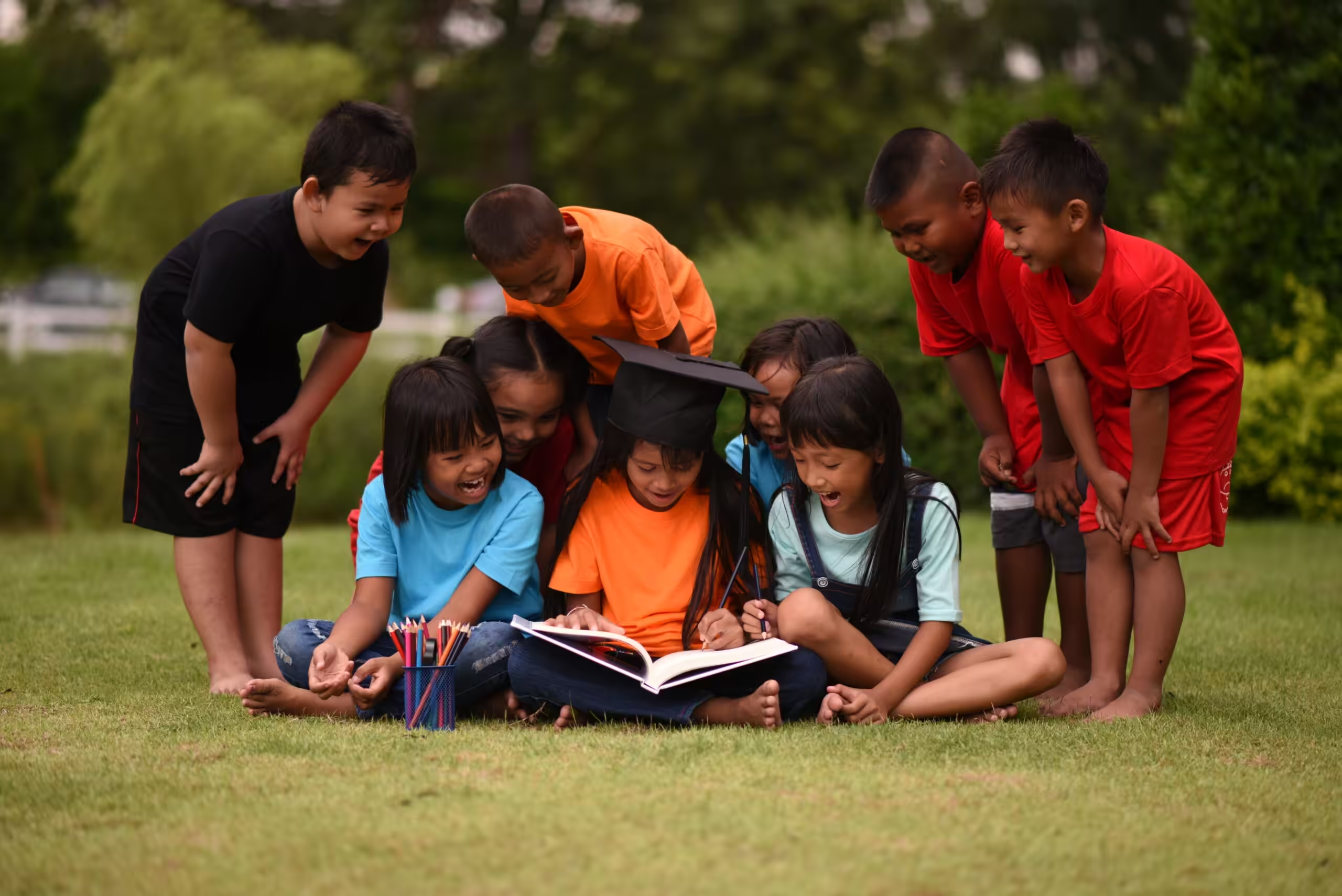
A book recommendation or illustrated story gives students something to share with another reader. Start with a manageable reading or writing task; older students can also ask what makes literacy easier to access in their school or community.
Explore two classroom projects
Choose a project idea
Global Reading Buddies: Sharing Stories, Building Bridges
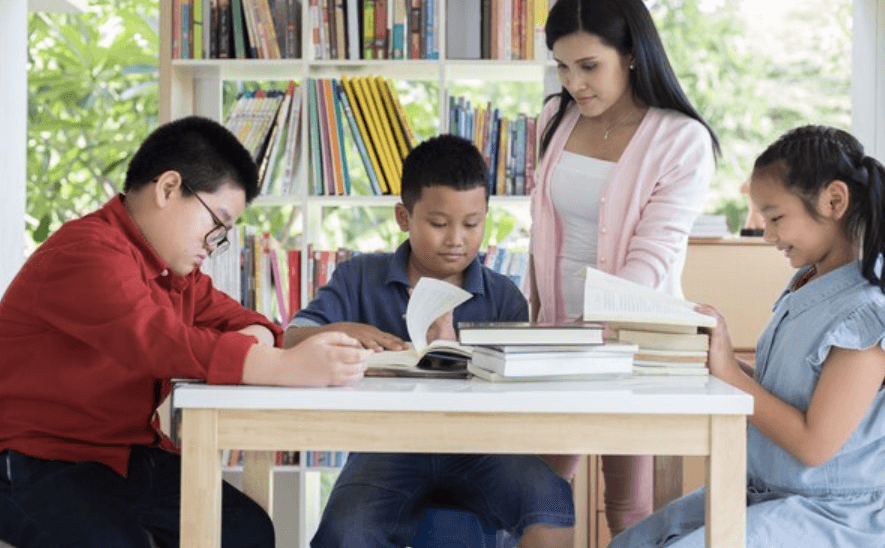
Global Reading Buddies: Sharing Stories, Building Bridges invites partner classes to share stories and reading interests. Students can introduce themselves, recommend a book and create an original story with illustrations or a short multimedia version. Agree a language with the partner teacher, making room for home-language passages and translations when useful. Exchange the work, ask a question about a character or choice, and end with a reflection on what made the story understandable to a new reader.
Literacy Leaders
Literacy Leaders gives older students a way to investigate access to literacy. Teams can look at library access, reading motivation or language barriers, then use design thinking to propose a community initiative. Research the issue with teacher-selected sources and a simple, voluntary school question. Draft a prototype, such as a multilingual recommendation shelf or reading-club invitation, and ask partners for feedback. Students can lead the proposal and identify its audience; teachers decide whether a later implementation is practical.
The public ideas show four-week plans and age groups. Teachers can adapt the tasks and agree a working language, dates and sharing plan. The short activities below are teaching suggestions, not extra requirements in those project records.
Two ways to read and respond together
Send a reading recommendation
Suggested ages 6-12; allow 30 minutes. Use a school-approved book, paper and pencils. Students draw a favourite character or moment and write or dictate two sentences explaining why someone might enjoy the book. Partners reply with one question and recommend a different book. Younger learners can record an audio recommendation; older learners can support a claim with a brief reference to the text. The outcome is a small recommendation wall with reasons and replies.
Design one improvement to reading access
Suggested ages 13-18; allow two 40-minute lessons. Use paper, a school library list and teacher-selected information about literacy. Teams choose one barrier, such as hard-to-find texts or a limited choice of languages, and sketch an affordable response. Compare the proposal with a partner class and revise one feature. Give learners a problem-and-evidence template; extend the task by comparing two possible audiences. The outcome is a proposal with a clear barrier, intended reader and test.
What to look for in students' work
- Communication and creativity: write, draw or record a story or recommendation for a real reader.
- Empathy and intercultural understanding: ask about another reader's interpretation rather than assuming it matches yours.
- Critical thinking and research: identify an access barrier and support a proposal with evidence.
- Collaboration and leadership: share reading, design and feedback roles.
- Global awareness and digital literacy: explain how language, format and access can affect participation.
Why this date matters
UNESCO proclaimed International Literacy Day in 1966, and it was first celebrated in 1967. The official observance page treats literacy as part of dignity and the right to education. UNESCO reports that at least 739 million youth and adults worldwide lacked basic literacy skills in 2024.
SDG 4 and Target 4.6 concern literacy and numeracy for all youth and a substantial proportion of adults. Reading and writing exchanges can make that purpose visible, while older students investigate how access differs and what a school could improve.
UNESCO's 2026 theme is Literacy for people, the planet and prosperity. Invite students to explain how a reading or writing skill could help someone understand an issue or take part in their community.
The annual date stays the same. Check the official observance page before using a year-specific theme or campaign in your lesson.
Find more dates and classroom ideas in the SDG Calendar.
Frequently asked questions
Can students share stories in more than one language?
Yes. Agree the approach with the partner teacher. A short translation, illustration or audio version can help another class understand the story.
Do we need new books or paid materials?
No. School-approved library books and students' original writing are enough for the suggested recommendation and story activities.
How can I assess the exchange?
Look for a reason linked to the text, a clear message for the reader and a response to partner feedback. Compare the first version with one revision.
Plan your classroom exchange
Choose one project idea, then agree a small task and a response window with a partner teacher.