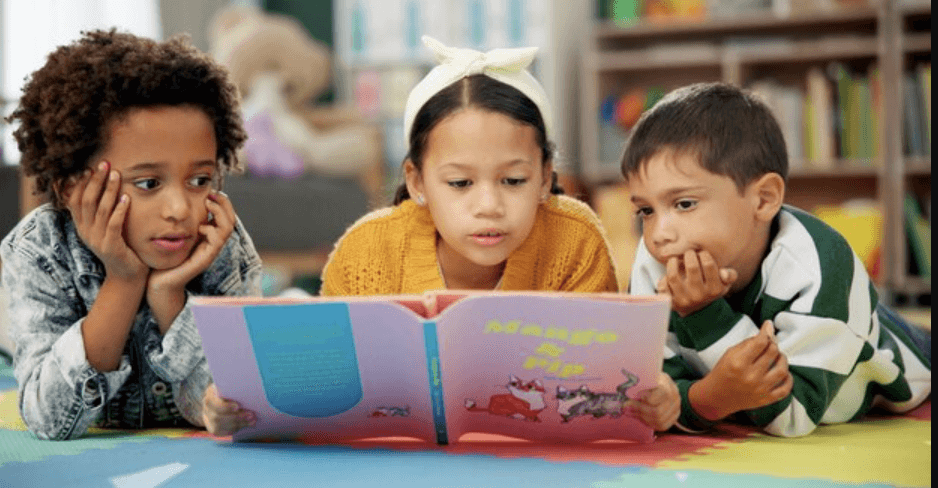
Cultural diversity day: 6 classroom activities for May 21
World Day for Cultural Diversity for Dialogue and Development is observed on May 21. It celebrates cultural diversity and dialogue. Teachers can mark the day with stories, music, questions and shared work, then build on the lesson through a classroom exchange.
See the project ideasLast updated

Share stories and learn from one another
Invite students to share a story, language or tradition that matters to them. A partner class brings another set of experiences into the conversation. Start with one activity and let students ask questions about each other's contributions; no one needs to speak for a whole country or culture.
Two project ideas to explore
Explore the ideas


Celebrating Cultural Diversity: A Journey of Discovery
In Celebrating Cultural Diversity, students explore traditions, language, history and different points of view over four weeks. They use research, creative work and presentations to share what they discover. Begin with a question students want to ask one another, then practise listening and explaining ideas respectfully.
Cultural Connections: Celebrating Diversity Through Storytelling
Cultural Connections brings students aged 6-8, 9-12 and 13-15 together over four weeks to share traditional stories. Students can respond with drawings, picture books, illustrated postcards or teacher-led recordings. Choose a format that suits the age and language of your class, then compare how the stories express different experiences.
Six cultural diversity day activities
The times below are starting estimates. Choose a task that fits your class and allow extra time for a partner class to reply.
1. Share a story from home
Ages 6-13. About 25 minutes. Materials: paper, pencils and an optional picture book.
Invite each student to draw or tell a story they are happy to share. It can be a family story, a local tale or a fictional one. A partner names one detail they noticed and asks one kind question.
Collect a drawing and a question to check listening. Offer sentence starters or let students speak in a familiar language before translating together.
2. Make a word wall together
Ages 6-13. About 20 minutes. Materials: cards or a shared display.
Choose a few everyday words, such as hello, thank you and friend. Students offer words they know and help one another say them. Ask the partner class to add words rather than guessing which language every student speaks.
Make a class word wall with meanings and optional audio. Use drawings for younger learners; older learners can note when a greeting is used.
3. Ask a question before making a guess
Ages 10-19. About 30 minutes. Materials: paper or a teacher-managed shared document.
Give groups a statement such as "everyone in a country eats the same food". Ask them to turn it into an open question. Exchange the questions with another class and compare the range of answers.
Check whether questions leave room for different experiences. Offer a question frame, or ask older students to explain why one answer cannot represent a whole country.
4. Share a song or game
Ages 6-15. About 25 minutes. Materials: a student-chosen song or game and space to explain it.
Students describe a song or game they enjoy and teach a short part to classmates. Compare the rules or meanings with a partner class. Participation can be through drawing or explanation rather than performing.
Ask students to describe one similarity and one difference. Give a step-by-step template; confident learners can explain how rules change between groups.
5. Check a cultural claim
Ages 13-19. About 35 minutes. Materials: teacher-selected sources and a note sheet.
Choose a claim about a tradition, language or celebration. Compare two sources and ask whose experience is included. Students prepare a short presentation that separates what the sources say from their own questions.
Collect the claim, sources and one limitation. Provide short extracts for support; extend the task by finding a local or first-person source.
6. Create a shared culture guide
Ages 9-19. About 40 minutes, plus time for a partner class to respond. Materials: paper or a teacher-managed presentation.
Each group makes one page about a story, game, place or tradition they choose. Invite the partner class to add its own page and questions. Finish by looking at what the pages have in common and where experiences differ.
Use the shared guide to check clear explanations and respectful responses. Allow drawings or short captions, or ask older students to include sources and reflect on an assumption they changed.
Plan a simple exchange
- Choose one activity and one piece of work students will share.
- Agree the language, dates and response format with the partner teacher. A recorded or written exchange can work when lesson times differ.
- Let students choose what they share. Use teacher-managed communication and follow school rules for permissions, photos and recordings.
- Offer drawings, sentence starters, paired rehearsal or translation support so students can take part.
- Finish with one thing students learned and one question they still have.
What students can practise
- Listening and empathy: ask questions and respond to another person's account.
- Communication: explain a story, idea or tradition clearly.
- Research and critical thinking: compare sources and notice whose perspective is missing.
- Creativity and global awareness: contribute to shared work while recognising differences within communities.
Look at the work students produce and their responses to one another. These activities offer practice; taking part alone does not prove that a skill has improved.
The date and history of the day
The UN General Assembly proclaimed the day in resolution 57/249, adopted on December 20, 2002. It followed the UNESCO Universal Declaration on Cultural Diversity, adopted in 2001. The observance invites people to value cultural diversity and strengthen dialogue.
UNESCO explains how the day supports dialogue and the diversity of cultural expression. The date is fixed each year. The official page checked for this revision did not name a separate 2026 theme, so these activities follow the day's lasting purpose.
You can connect the work to peace, inclusion and partnerships in your teaching. Browse the SDG calendar for other days that fit your class.
Frequently asked questions
When is cultural diversity day?
It is observed on May 21 each year.
Can we start without a partner classroom?
Yes. Try one activity with your class first. You can share the work with a partner class later when both teachers have a plan.
Explore more project ideas
See classroom project ideas and choose a topic your students would enjoy exploring with another class.