World Environment Day: classroom activities for June 5
World Environment Day is June 5. A class can observe a nearby habitat, share recycling or energy-saving ideas, or test a small sustainability proposal. Choose an activity below, then explore Eco-Heroes Unite or Green Innovators for a longer classroom exchange.
Last updated

Start with the environment around your school
Choose something students can observe at school: a tree, a patch of ground, a reuse habit or an energy-saving question. Share a finding with a partner class, compare the two settings and choose one realistic next step.
Explore two classroom projects
Choose a project idea
Eco-Heroes Unite
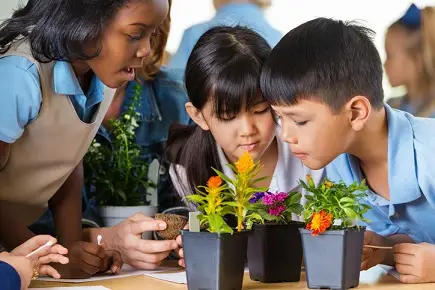
Eco-Heroes Unite invites younger learners to explore nature and everyday environmental choices. Students can make observations in a schoolyard or from a classroom window, use art and simple experiments to describe what they find, and exchange recycling or energy-saving tips. A class poster or eco-identity with a small pledge can bring the ideas together. Invite family input if useful, while keeping the task possible within school. Compare the partners' findings rather than assuming both schools have the same climate or resources.
Green Innovators: Crafting the Future of Sustainability
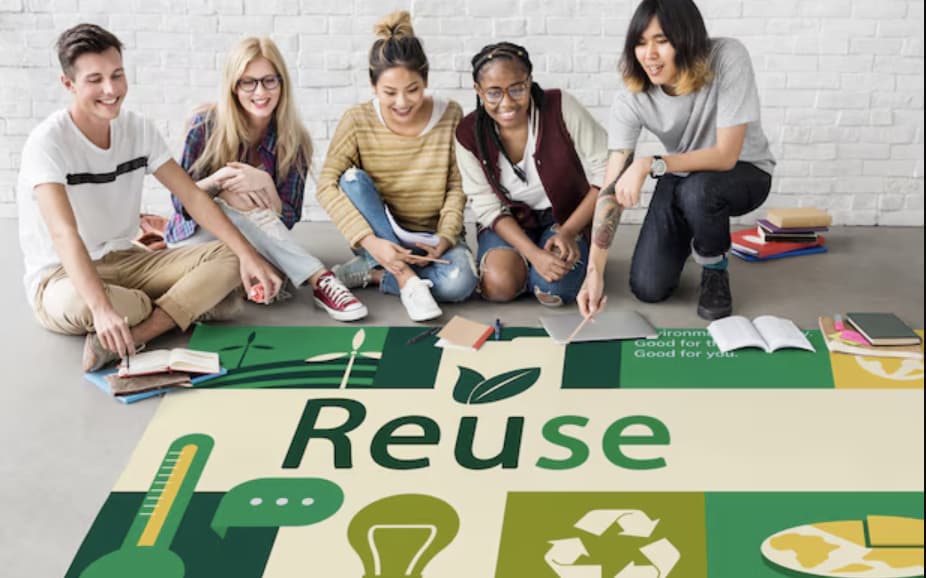
Green Innovators: Crafting the Future of Sustainability gives older students a design-thinking route into environmental questions. Teams can investigate sustainable cities, responsible consumption, plastic pollution or climate adaptation. Gather simple local evidence, compare it with partners, and develop a policy proposal, app sketch, campaign or product prototype. A shared showcase can present the reasoning and invite feedback. The useful result is a tested proposal and a record of what changed, rather than a promise that the prototype solves the problem.
The public ideas show four-week plans and age groups. Teachers can adapt the tasks and agree a working language, dates and sharing plan. The short activities below are teaching suggestions, not extra requirements in those project records.
Two ways to turn observation into action
Compare two small habitats
Suggested ages 6-12; allow 30-40 minutes. Use paper, pencils and an adult-selected observation area, or photographs viewed from indoors. Draw three things you notice, such as a plant, a bird or a source of shade. Send a labelled drawing to partners and ask what is similar or different at their school. Younger learners can point and describe; older learners can add one question about an observation they cannot explain. Stay on safe paths and leave living things where they are. The outcome is a paired observation page.
Test a reuse idea
Suggested ages 13-18; allow two 40-minute lessons. Use clean reused packaging, paper and tape. Identify one school waste problem and sketch two responses. Choose one, build a small model and ask partners to test the idea against cost, ease of use and likely waste avoided. Revise the model and state one limitation. Give students a template with problem, evidence and change boxes; extend the task with a small count of materials used. The outcome is a proposal the class can explain and evaluate.
What to look for in students' work
- Environmental awareness and research: separate an observation from a guess and record where evidence came from.
- Critical thinking and problem-solving: compare local conditions before proposing an action.
- Creativity and innovation: make a model or message with a clear purpose.
- Collaboration, communication and leadership: divide tasks and respond to partner feedback.
- Global awareness and digital literacy: explain how a local choice connects with a wider environmental question.
Why this date matters
The UN General Assembly designated June 5 as World Environment Day through resolution 2994 (XXVII), adopted on December 15, 1972. The first observance took place in 1973. The official observance page explains the day's purpose of environmental awareness and action. A classroom lesson can make that purpose concrete through a local observation and a carefully chosen response.
SDG 13, climate action, and SDG 15, life on land, connect local environmental questions with wider goals. Students can compare how schools in different places respond to a shared challenge, connecting education for sustainable development with evidence, collaboration and responsible choices.
UNEP's 2026 campaign focuses on climate action. Use the current campaign as a prompt to ask how a local environmental choice relates to a wider climate question.
The annual date stays the same. Check the official observance page before using a year-specific theme or campaign in your lesson.
Find more dates and classroom ideas in the SDG Calendar.
Frequently asked questions
Can we do this without an outdoor visit?
Yes. Observe from a window or use teacher-selected photographs of a local place. Students can label what they see and compare it with a partner class.
What should students share with partners?
Share a small output: one labelled observation, one tested model or one question with evidence. Agree the format and reply date before the exchange.
Should the class carry out every proposed action?
No. Choose a manageable action with teacher oversight. A researched proposal or model is a useful outcome even when a school cannot put it into practice immediately.
Plan your classroom exchange
Choose one project idea, then agree a small task and a response window with a partner teacher.