World Oceans Day: classroom activities for June 8
World Oceans Day is June 8. Teachers can use marine trivia, art and conservation design tasks to explore SDG 14: Life Below Water. Begin with one short activity, then adapt Ocean Olympiad or Blue Horizons for work with a partner class.
Last updated
Connect ocean science with everyday choices
How could we help protect marine life? Your class can begin with a short game or design task, then compare its ideas with a partner classroom. Students do not need to live near a coast to take part.
Explore two classroom projects
Choose a project idea
Ocean Olympiad
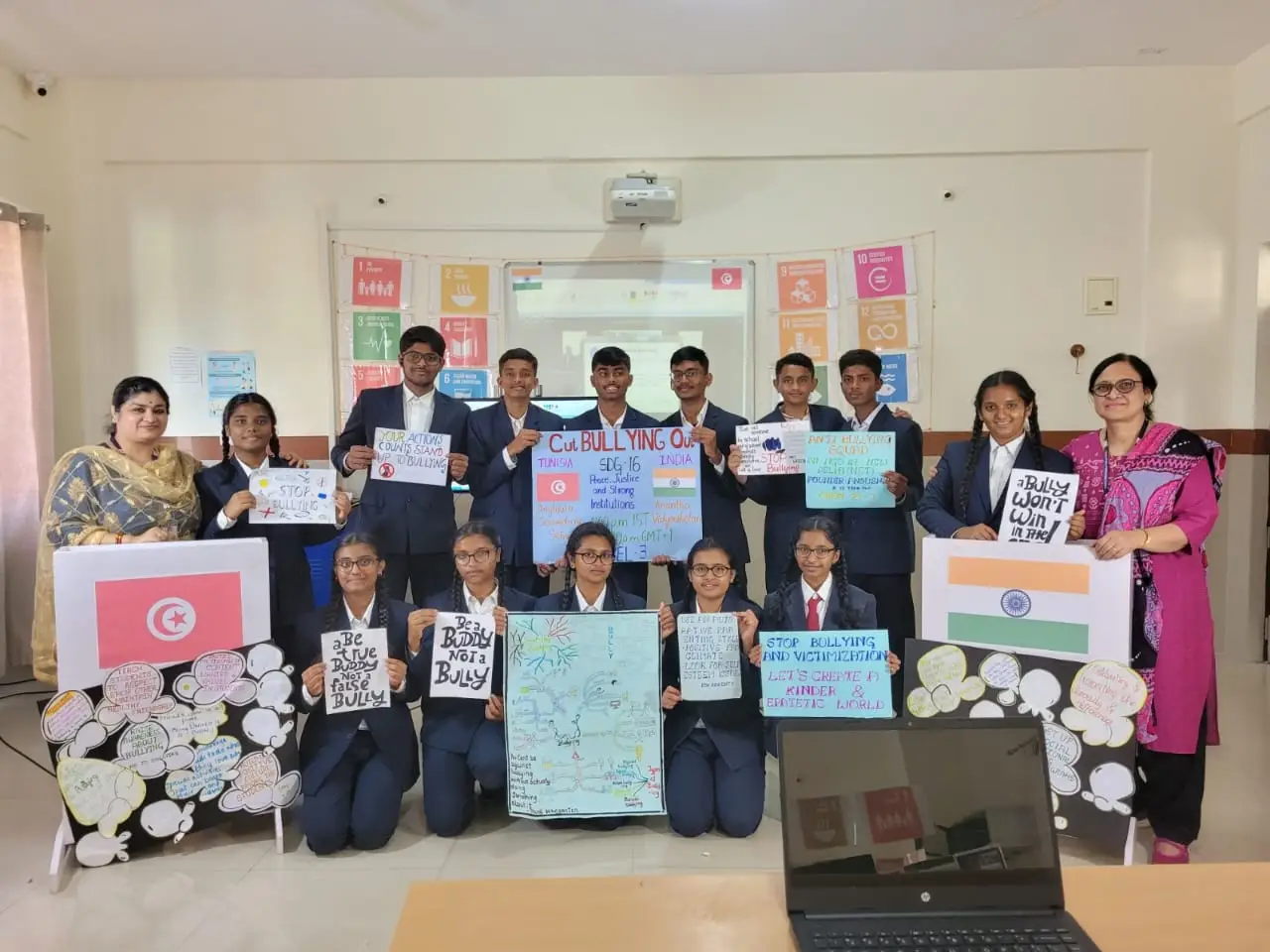
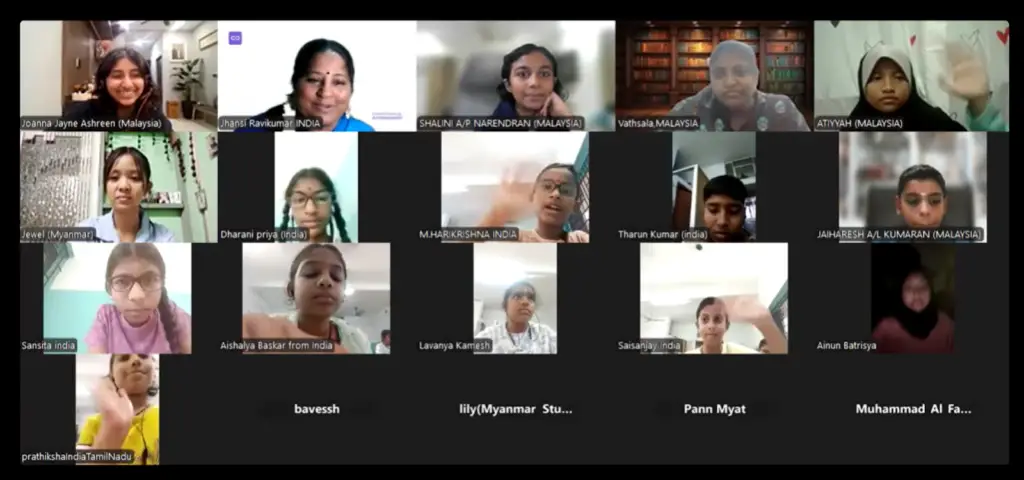
For Ocean Olympiad, you could organise marine trivia, a marine-art challenge and a team conservation pledge. Ask groups to research a creature, write clues and explain one way to protect its habitat. Exchange questions or artwork with a partner class, share roles and celebrate the work together.
Blue Horizons: Designing Innovative Strategies for Ocean Conservation
For Blue Horizons, choose a question about plastic pollution, overfishing, coral reef decline or coastal erosion. Students investigate causes, consider people affected, define a manageable problem, suggest solutions and make a prototype. This could be a policy proposal, an app concept, a campaign or a product model. Use feedback to test the idea and present a revised strategy. An interview is optional and needs a teacher-agreed plan; students can use published accounts instead.
The public ideas show four-week plans and age groups. Teachers can adapt the tasks and agree a working language, dates and sharing plan. The short activities below are teaching suggestions, not extra requirements in those project records.
Try a World Oceans Day activity
Make a marine trivia challenge
Suggested ages 6-13; about 30 minutes. Materials: paper and teacher-selected marine-life sources or picture cards. Groups choose one creature, check three facts and write a question with an answer. Swap questions, explain the evidence and create a marine-art display. Use picture choices and read clues aloud for students who need support.
Design a small conservation response
Suggested ages 13-19; about 45 minutes for a first draft. Materials: a short source set, paper and pens. Choose one marine challenge, map its causes and compare two possible responses. Make a poster, campaign sketch or prototype and ask another group for feedback. Check whether the proposal addresses the evidence and what the class would need to test next.
What to look for in students' work
- Environmental awareness: name marine creatures or habitats and explain an everyday choice that affects water health.
- Critical thinking and creativity: compare causes of a marine problem, support a solution and improve a prototype after feedback.
- Communication and leadership: write clear clues, explain an idea, ask respectful questions and present a proposal.
- Collaboration and global citizenship: share roles, listen to another class and compare local perspectives without assuming all coastlines or communities are the same.
Why June 8 matters
The UN General Assembly designated June 8 as World Oceans Day in 2008 through resolution 63/111. The UN World Oceans Day guidance explains that the ocean covers more than 70% of the planet and produces at least half of its oxygen. Marine ecosystems face pressures including warming, plastic pollution and overfishing.
The day connects with SDG 14: Life Below Water and education for sustainable development. A partner class can help students compare coastlines, weather observations or conservation efforts, then share data and ideas. This is a chance to practise scientific questions and cooperation. Check each group's evidence and what it would need to test next.
The 2026 UN theme is Reimagine, inviting people to rethink their relationship with the ocean. Use it as a discussion prompt: what would a healthier relationship with the sea look like?
The annual date stays the same. Check the official observance page before using a year-specific theme or campaign in your lesson.
Find more dates and classroom ideas in the SDG Calendar.
Frequently asked questions
When is World Oceans Day?
World Oceans Day is June 8 each year. Keep the date in your annual plan and check the official UN page before using a year-specific theme.
Can an inland school take part?
Yes. Use marine-life sources, compare how local rivers connect with the sea or investigate plastic waste. A partner class can add another perspective, but the activity can also run within one classroom.
Does the project require a live call?
No. Teachers can agree to exchange questions, artwork or prototypes during their own lessons. A live call is an optional way to share the work.
Plan your classroom exchange
Choose one project idea, then agree a small task and a response window with a partner teacher.