Climate Action in Class: 5 SDG 13 Activities
SDG 13 asks for urgent action on climate change and its impacts, and target 13.3 names education. Teach it by age: ages 6–9 notice weather and energy use, 10–13 measure and compare, and 14–18 analyse data and test a local mitigation or adaptation change, ideally with a partner class abroad.
See the 5 activitiesLast updated
What SDG 13 asks, and the target that names education
The UN wording of Goal 13 is "Take urgent action to combat climate change and its impacts." It has five targets:
- 13.1: strengthen resilience and adaptive capacity to climate-related hazards and natural disasters.
- 13.2: integrate climate change measures into national policies, strategies and planning.
- 13.3: improve education, awareness-raising and human and institutional capacity on climate change mitigation, adaptation, impact reduction and early warning.
- 13.a and 13.b: climate finance for developing countries, and planning capacity in least developed countries and small island developing States.
Target 13.3 names education. Its indicator tracks whether global citizenship education and education for sustainable development are built into national policies, curricula, teacher education and student assessment. Climate learning belongs in ordinary lessons, not only on awareness days.
Give students one frame. The UN groups climate action into three categories: cutting emissions, adapting to climate impacts and financing the changes. For any idea, ask: does it cut emissions (mitigation) or help people cope with impacts (adaptation)?
How to teach SDG 13 by age
Swipe horizontally to see all columns
| Ages | Focus | Try this |
|---|---|---|
| 6–9 | Notice: today's weather versus the usual pattern, where school energy comes from | Keep a class weather chart for a month; list what uses electricity at school. |
| 10–13 | Measure and compare: greenhouse gases as a "blanket" trapping heat, local impacts, energy and travel habits | Tally energy use or travel to school; compare with a partner class. |
| 14–18 | Analyse and act: emission sources, mitigation versus adaptation, trade-offs | Graph a public climate dataset; test one mitigation or adaptation change at school. |
With younger children, stay local and doable rather than leading with disaster detail. Older students should practise saying what their evidence does not show.
Five SDG 13 activities for students, from noticing to acting
- Weather and climate journal (ages 6–9): record the weather daily for a month and compare charts with a partner class in another climate zone.
- Energy detective walk (ages 6–13): sort what uses electricity into "needed now" and "could switch off", then keep and tally one class habit for two weeks. Report the habit, not an estimated emissions saving.
- Travel-to-school survey (ages 10–13): chart an anonymous class tally and discuss which lower-emission options are realistic locally, and why they differ abroad.
- Climate data lab (ages 14–18): the UN reports that global temperatures in 2025 were 1.43°C above pre-industrial levels. Students find the data behind such a figure, graph it and explain what it does not show.
- Mitigation or adaptation challenge (ages 14–18): pick one school issue, such as hot classrooms or a flooded route to school, classify the fix, test one change and present the evidence and its limits to school leaders.
Where does climate learning fit in your teaching right now?
Every answer is a valid starting point. Votes are anonymous.
Take it global with a partner class
Climate impacts and options differ by place, so a partner class abroad gives students real evidence to compare. These Class2Class projects are ready to adapt:
Compare ages and activities
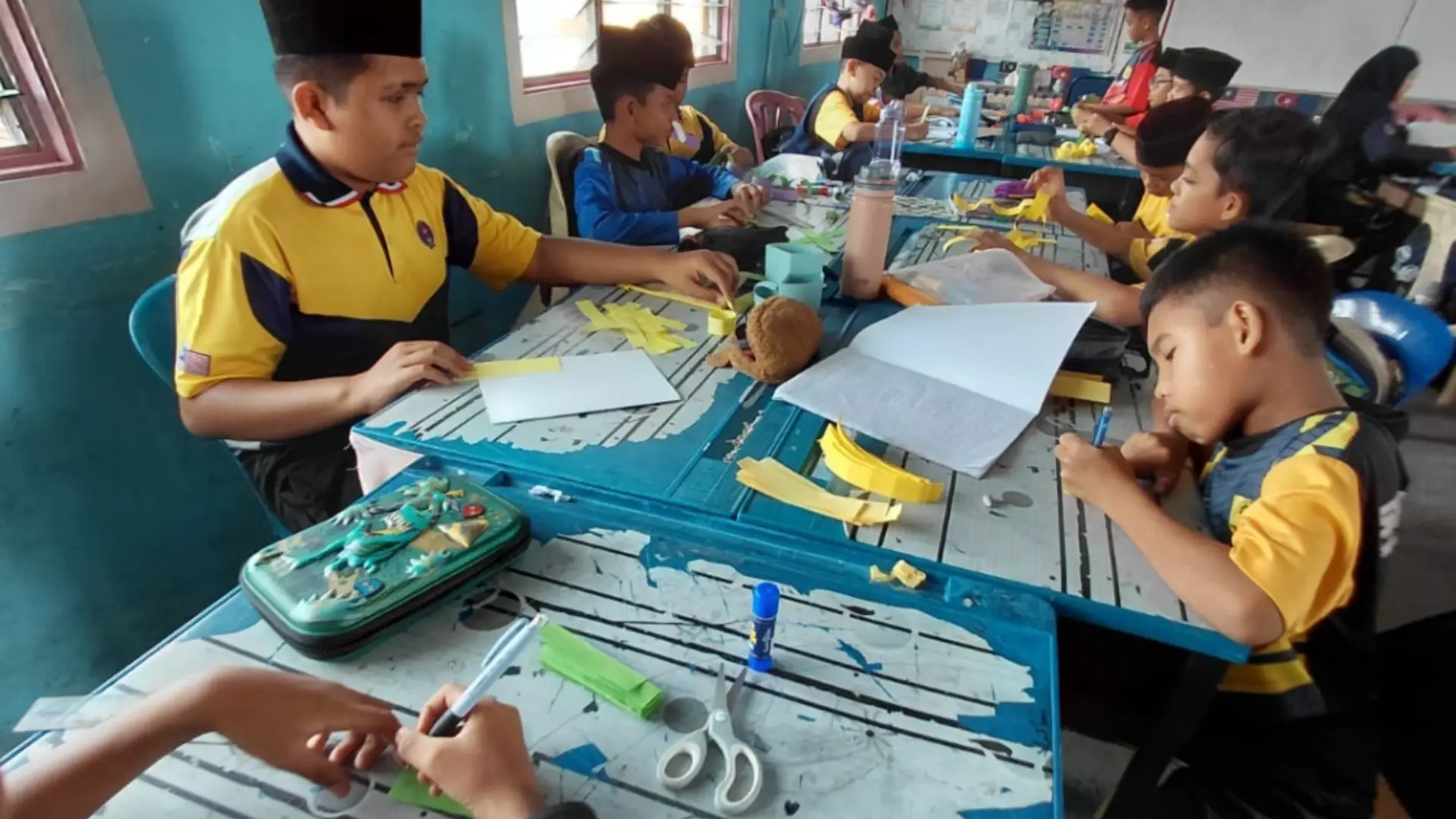 Project ideaLittle Clean Energy Inventors
- Age groups
- 6–8, 9–12, 13–15
- Duration
- 4 weeks
- Language
- English
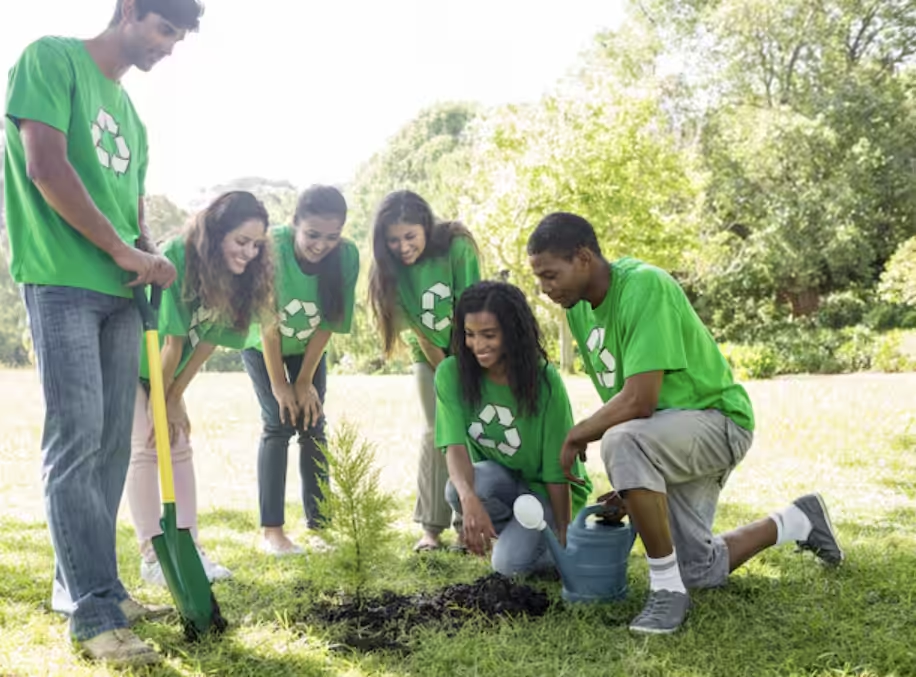 Available nowEarthSolvers: Local Action, Global Change
- Age groups
- 13–15, 16–18, 18+
- Duration
- 4 weeks
- Language
- English
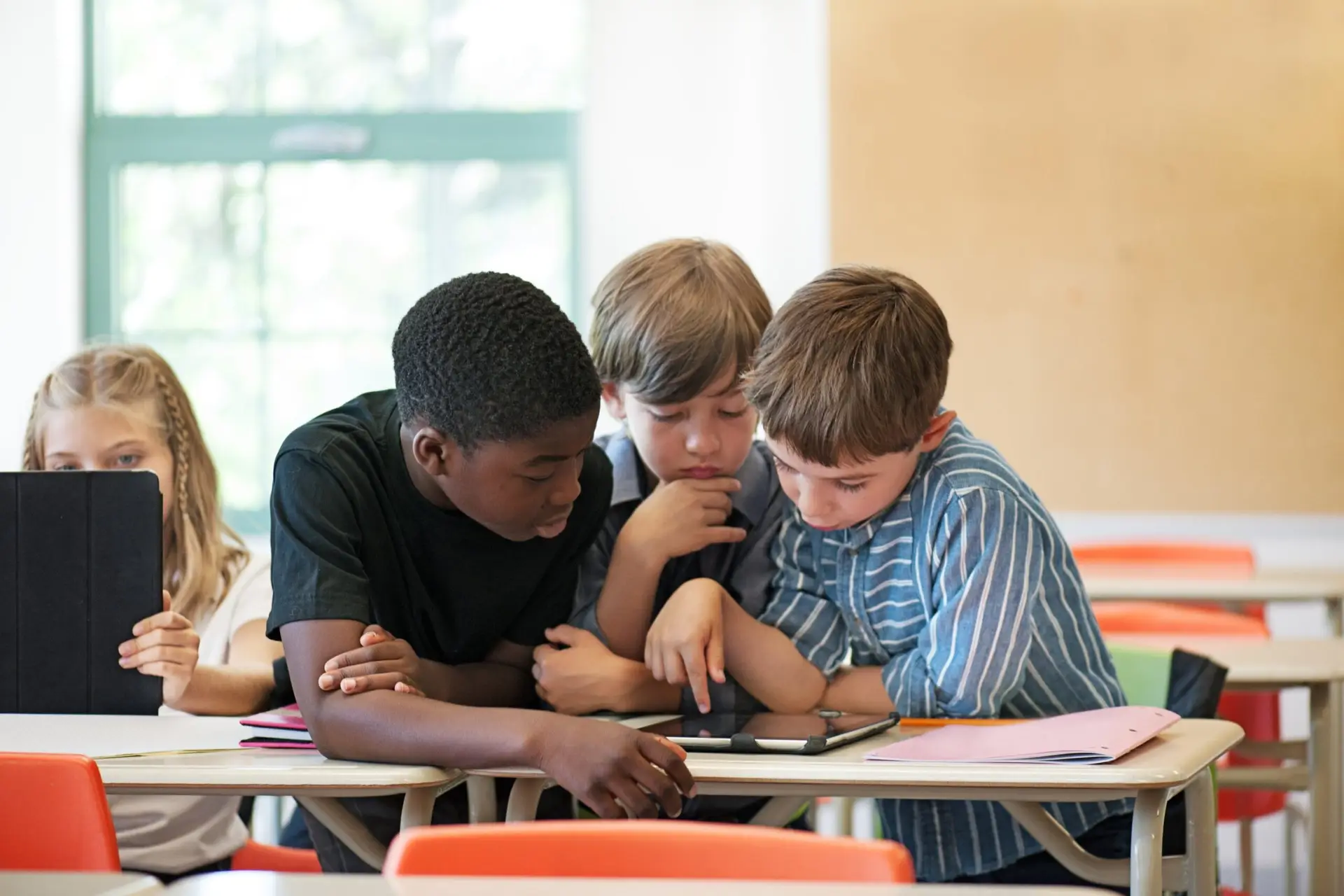 Project ideaRenewable Energy Solutions Lab
- Age groups
- 13–15, 16–18, 18+
- Duration
- 4 weeks
- Language
- English
Little Clean Energy Inventors and Renewable Energy Solutions Lab are tagged SDG 7 (clean energy). Link them to SDG 13 by asking how each idea cuts emissions. EarthSolvers is tagged Climate Action.
For a real example, see Class2Class Climate Chats: a 7th-grade class in the United States interviewed peers in six countries and turned the conversations into a podcast about how climate change affects each place.
Planning around a date? Launch on International Day of Clean Energy (26 January), International Mother Earth Day (22 April) or World Environment Day (5 June). The clean energy collaboration guide has fuller plans for both energy projects.
Fit SDG 13 into subjects you already teach
- Science: the greenhouse effect, energy sources and ecosystems under changing conditions.
- Maths: graph temperature or energy data and discuss averages, trends and uncertainty.
- Geography and social studies: local climate risks, adaptation and why impacts differ by place.
- Languages: interviews, persuasive letters and podcast scripts with a partner class.
For the other goals, start with our SDG teacher guide. For school projects beyond climate, such as food waste, water and reuse, see these sustainability project ideas.
Frequently asked questions
How do I explain the difference between weather and climate to young students?
Weather is what happens outside today. Climate is the usual pattern over many years. The UN describes climate change as long-term shifts in temperatures and weather patterns, so a month of weather records is a good first step, but not proof of climate change on its own.
How do I teach climate change if I am not a climate expert?
You do not need to be one. Use the UN SDG 13 page for the goal and targets and the UN climate pages for basic causes and effects. Model checking sources with students, and treat questions you cannot answer as research tasks.
What if students feel worried about climate change?
Acknowledge the feeling, keep activities local and doable, and show what people are already doing to cut emissions and adapt. If a student seems distressed, follow your school wellbeing procedures.
Is a clean energy project an SDG 13 project?
Clean energy belongs to SDG 7, which aims to ensure access to affordable, reliable, sustainable and modern energy for all. It links to SDG 13 when students examine how an energy choice cuts emissions.