How to Teach SDG 4 (Quality Education) in Your K-12 Classroom
- April 30, 2026
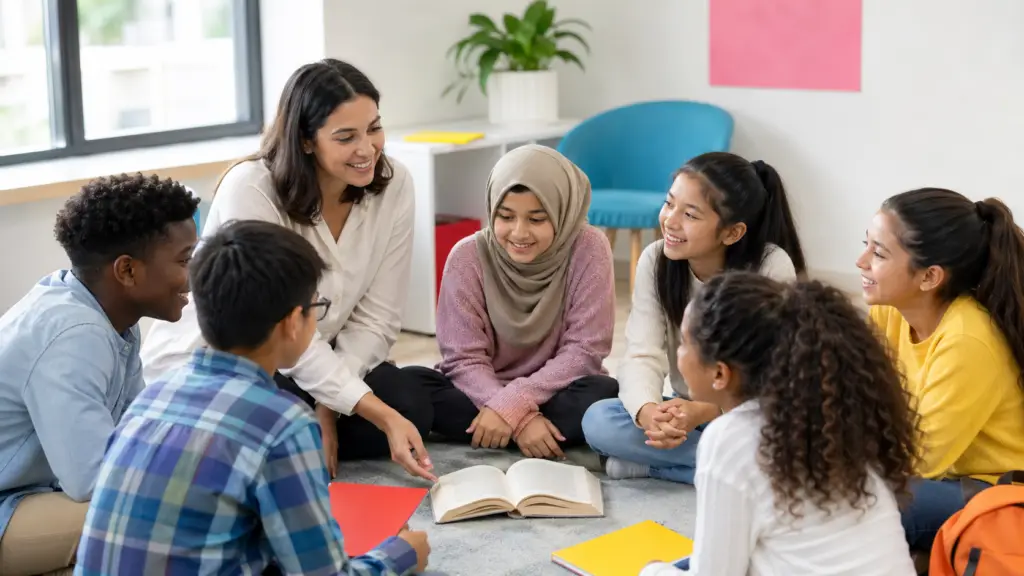
As educators, our primary goal is to empower students with knowledge and skills that prepare them for the future. Sustainable Development Goal 4 (SDG 4) aims to ensure inclusive and equitable quality education and promote lifelong learning opportunities for all. Teaching SDG 4 in the classroom helps instill values of equality, inclusivity, and self-improvement among students, laying the foundation for a better world.
However, the challenge lies in turning these global goals into relatable and actionable experiences for students of all ages. In this post, we’ll explore practical ways to incorporate SDG 4 into your teaching and inspire students to value quality education.
Understanding SDG 4 in the Classroom Context
SDG 4 emphasizes the importance of equitable and quality education, targeting issues such as affordable education, technical and vocational training, and equal access for all genders and marginalized communities. In a classroom setting, this translates to creating an environment that supports diverse learning needs, encourages critical thinking, and promotes awareness of global education challenges.
By aligning lessons with SDG 4, educators can motivate students to become active participants in their learning journey, fostering a culture of inclusivity and bridging educational gaps. For a deeper understanding of SDGs in education, explore our teacher’s guide on sustainable development goals .
Project Ideas for Teaching SDG 4
One of the best ways to teach SDG 4 is through engaging classroom projects that relate directly to students’ lives and communities. Here are some project ideas tailored for different grade levels:
- Global Pen Pals (Grades K-5): Connect with a classroom in another country to exchange letters or emails. Discuss what education looks like in each culture and foster appreciation for diverse learning environments.
- Education Access Research (Grades 6-8): Assign students to research education access in various countries. Hold presentations where they discuss their findings and propose solutions for improving global education equity.
- Community Literacy Campaign (Grades 9-12): Encourage students to organize a campaign promoting literacy in their community. They can collect books, host readings, or volunteer to tutor younger children.
- Digital Storytelling (All Grades): Use digital platforms to create stories about the importance of education. Students can interview family members, peers, or educators and share what quality education means to them.
- Sustainability Workshops (All Grades): Integrate lessons on sustainability with education, highlighting how knowledge and skills contribute to building sustainable communities. Check our post on transforming classrooms with sustainability .
Collaborative Learning Opportunities
Collaborative learning is key to teaching SDG 4 effectively. By working together, students gain multiple perspectives and develop interpersonal skills. Consider implementing group projects that require cooperation and problem-solving, like the following:
- Debates on Education Policies: Organize student debates over current education policies and their implications on quality education. This fosters critical thinking and opens dialogue around how students can influence educational change.
- International Virtual Class Exchanges: Partner with schools from different countries for virtual classroom exchanges. Students can learn about different educational systems and discuss global challenges in education.
For more collaborative project ideas, look at our school project ideas for sustainability .
Incorporating Technology for Quality Education
Technology plays a significant role in enhancing quality education by providing access to resources and facilitating new modes of learning. Here are some ways to integrate technology into teaching SDG 4:
- Online Courses and Resources: Connect students with free online education platforms offering courses on various subjects to enrich their learning experience.
- Virtual Reality (VR) Learning: Use VR to take students on virtual field trips to places they otherwise couldn’t visit, broadening their understanding of global education contexts.
- Educational Apps: Incorporate apps that enhance learning through interactive games and activities, promoting a hands-on approach to education.
Explore additional strategies to incorporate sustainable practices and technology into teaching through our guide on education for sustainable development .
How Class2Class Helps
Class2Class facilitates seamless classroom collaborations across borders, offering a platform where students and teachers can participate in meaningful exchanges, join SDG projects, and embrace global citizenship, all aligned with SDG 4 goals.
Getting Started
- Research SDG 4: Gain a comprehensive understanding of SDG 4 objectives and how they apply to education.
- Identify Project Opportunities: Choose from the project ideas listed above that best suit your classroom’s needs and your students’ interests.
- Use Class2Class: Register on the Class2Class platform to connect with international classrooms and find collaboration opportunities.
- Integrate into Curriculum: Align chosen projects with your curriculum standards and teaching goals.
- Evaluate and Reflect: After completing projects, assess their impact on students and gather feedback for future improvements.
Conclusion
Teaching SDG 4 in the classroom not only educates students about the global importance of quality education but also encourages them to become compassionate and informed leaders. By incorporating diverse projects and leveraging technology, educators can provide students with a rich learning experience that prepares them for the challenges of tomorrow. To bring these projects to life, consider using Class2Class as your tech-enabled collaborator in achieving SDG 4 objectives.
Ready to bring this into your classroom? Class2Class connects K-12 teachers in 144 countries — free to use, free to match with a partner classroom, free to launch your first international project.