
World Mental Health Day activities for students on October 10
World Mental Health Day is 10 October. Teachers can use it for an opt-in classroom exchange about well-being, culture, and support. Mind Matters covers age groups 6-8, 9-12, and 13-15; Mindful Moments covers 13-15, 16-18, and 18+. Both projects run over four weeks in English.
See the projectsLast updated

What World Mental Health Day is for
World Mental Health Day is observed on 10 October. The World Health Organization describes its purpose as raising awareness of mental health issues and mobilizing support for mental health.
The World Federation for Mental Health first observed the day in 1992. The annual observance creates a useful moment for classrooms to discuss well-being, support, and cultural perspectives without turning a lesson into diagnosis or therapy.
Plan a safe, opt-in exchange
This is an educational activity, not medical advice or a clinical assessment. Keep the work focused on general well-being, supportive environments, and where students can find trusted help.
- Make personal sharing optional. Students can use fictional, anonymized, or community-level examples.
- Do not ask students to disclose diagnoses, trauma, medication, or private family information.
- Agree teacher moderation, privacy, recording, and referral procedures with the partner teacher before students meet.
- Use age-appropriate language and follow each school's safeguarding and student-support procedures.
- If a student becomes distressed or asks for help, pause the activity and follow the school's established support or referral process.
WHO guidance for education settings emphasizes safe and inclusive learning environments and appropriate psychosocial support. Teachers remain responsible for adapting these ideas to local policy and student needs.
Choose one of two project ideas
Students can explore well-being through a mind map about support at school or a shared collection of cultural practices. Choose the project that suits your class and adapt it with your partner teacher, keeping personal sharing optional.
Compare ages and activities
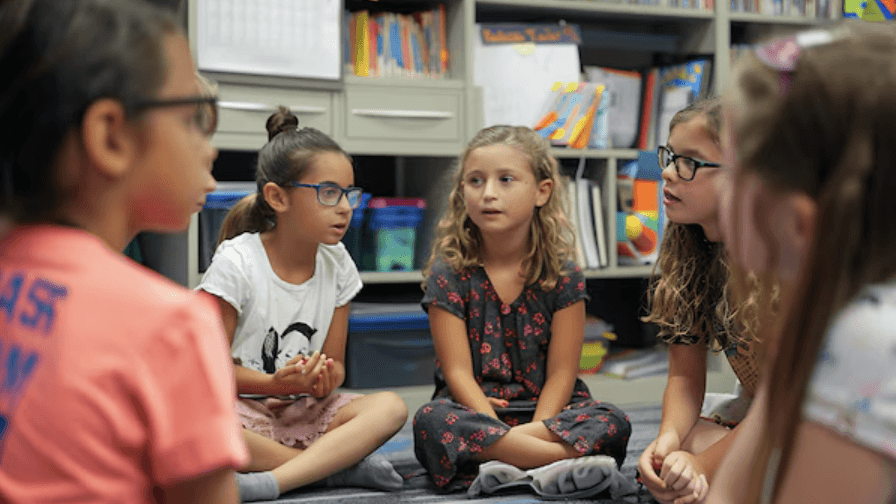
Mind Matters: age groups 6–8, 9–12, and 13–15
In Mind Matters, small groups create mind maps about general well-being and support systems in their school or community, then compare patterns with a partner class. The project runs over four weeks in English. Use fictional or anonymized examples instead of personal disclosures.
Mindful Moments: age groups 13–15, 16–18, and 18+
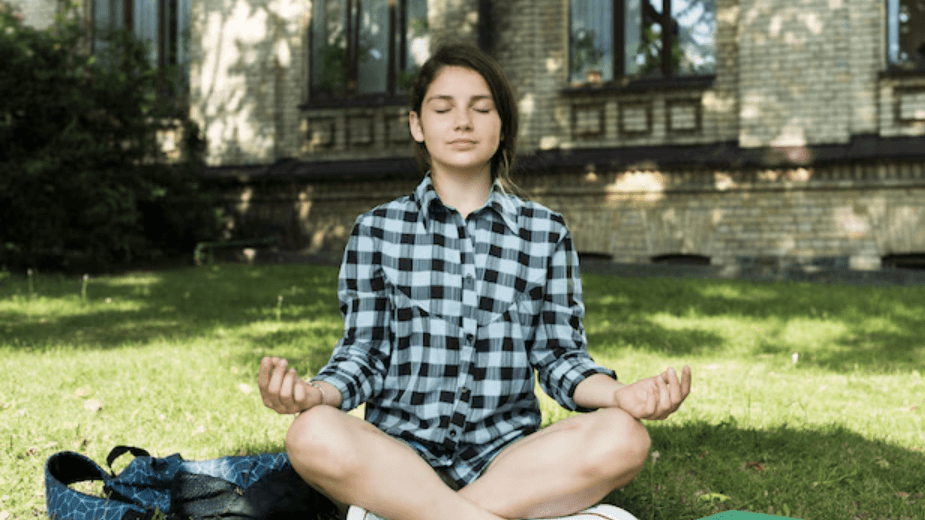
Mindful Moments brings partner classes together over four weeks in English to explore simple, non-clinical cultural well-being practices and co-create a digital collection. Teachers should approve the research prompts and every item before it is shared.
Intended learning focus
These projects are designed to give students structured opportunities to practise the following skills. They are intended learning goals, not measured outcomes or promises of clinical benefit.
- Listen to and compare cultural perspectives respectfully.
- Communicate ideas through visual maps, research, and presentation.
- Work with peers toward a shared, bounded classroom task.
- Recognize that support systems and well-being practices can differ across communities.
- Identify trusted adults and school support routes without sharing private health information.
Before the live exchange
- Confirm the age range, schedule, language, accessibility needs, and teacher roles.
- Decide what may be shared. Do not exchange student health information or record the session without the required basis and permissions.
- Review prompts together and agree when either teacher will pause or redirect the conversation.
- Provide an equivalent private activity for any student who does not join the exchange.
- Check both project destinations again before sharing them with students.
Frequently asked questions
When is World Mental Health Day?
World Mental Health Day is observed each year on 10 October.
Is this page medical or clinical guidance?
No. This page provides educational project ideas, not medical advice, diagnosis, screening, or therapy.
How can teachers protect students during the activity?
Keep personal sharing optional, use fictional or anonymized examples, agree moderation and referral steps with the partner teacher, and follow both schools' safeguarding procedures.
Which Class2Class project idea fits my age group?
Mind Matters currently lists age groups 6–8, 9–12, and 13–15. Mindful Moments lists 13–15, 16–18, and 18+. Both current listings describe four-week projects in English. Teachers should still adapt either activity to local policy, student needs, and available support.
Explore classroom projects
Discover more classroom projects and find a topic your students would enjoy.