How to facilitate a global classroom exchange
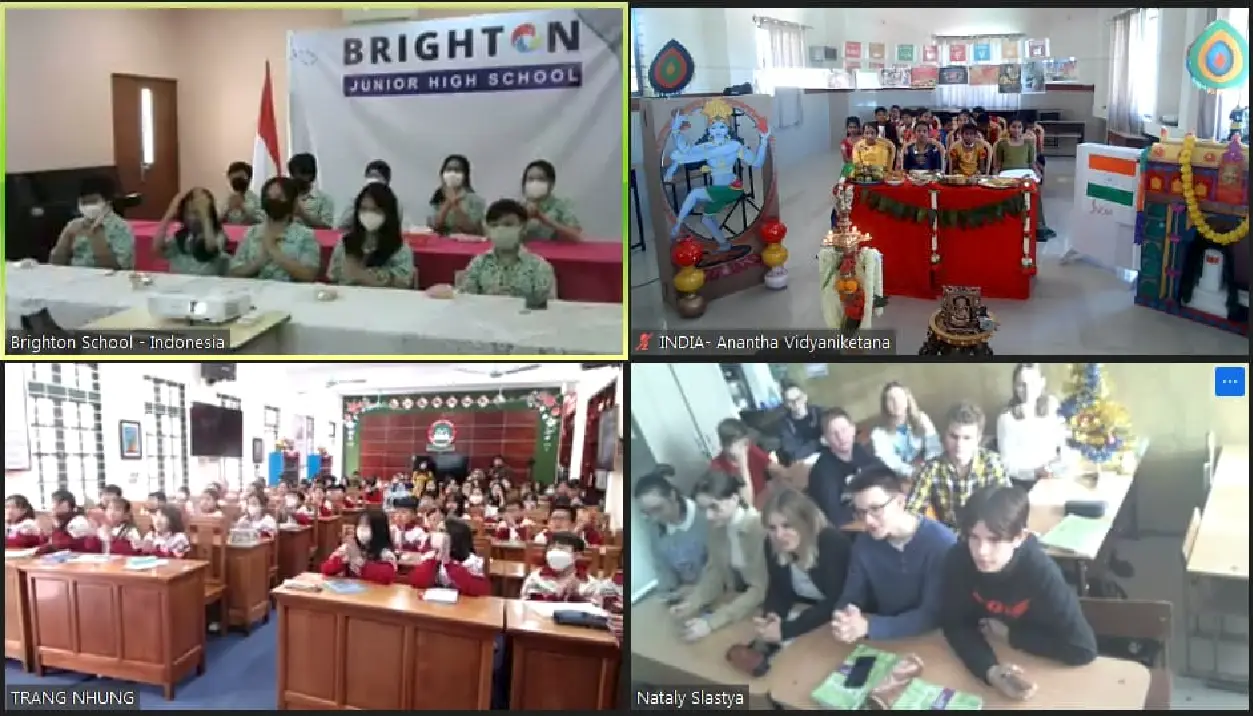
When facilitating a classroom exchange, keep the shared task manageable, check in regularly with the partner teacher, model respectful communication and make time for short reflections. These habits help you guide the work as it unfolds.
Last updated
Support your classroom exchange
Successful global projects are built through clear intentions, consistent communication and thoughtful guidance for students throughout the process. You do not need to do everything at once or make each activity perfect.
Start simple and grow gradually
Global collaboration does not need to be complex to be meaningful. A short project with one or two shared activities gives students a manageable way to connect with a partner class.
Starting with a manageable project helps teachers and students focus on communication, collaboration, and learning goals, rather than logistics. As confidence grows, future projects can naturally expand in scope and depth.
Keep communication consistent
Keep using the communication plan you agreed with your partner teacher: how often you will check in, which tools you will use and what information you need to share. Revisit the plan when schedules or activities change.
Even short, regular check-ins help keep both classrooms aligned, reduce misunderstandings, and support smoother collaboration throughout the project.
Guide your students' interactions
Students often need guidance when communicating with peers from different cultural and educational contexts. Modeling respectful online communication and setting clear expectations helps create a safe and positive learning environment.
Help students choose respectful words and tone, ask questions and listen to their partners. A classmate should not be expected to speak for a whole country or culture. Class2Class's Ethical Guidelines give you a shared reference for these conversations.
Encourage reflection throughout the project
Reflection helps students make sense of what they are learning and recognize their own growth. Make time for it during the project, as well as at the end.
Short reflection moments allow students to think about collaboration, challenges, and new perspectives, helping learning become more visible and intentional.
Watch Class2Class's practical guides
Choose the English or Spanish video for further guidance on running a global collaboration project.
In English (5:37)
In Spanish (6:07)
Download the practical guides
Class2Class's English and Spanish guides cover the habits above and ways to handle time-zone, language and teacher-coordination challenges.
When using the guides' documentation suggestions, follow the current Class2Class Ethical Guidelines: ask permission before capturing classmates, including their teacher's permission for students. Keep photos, screenshots and recordings from a session inside the project.
Sources
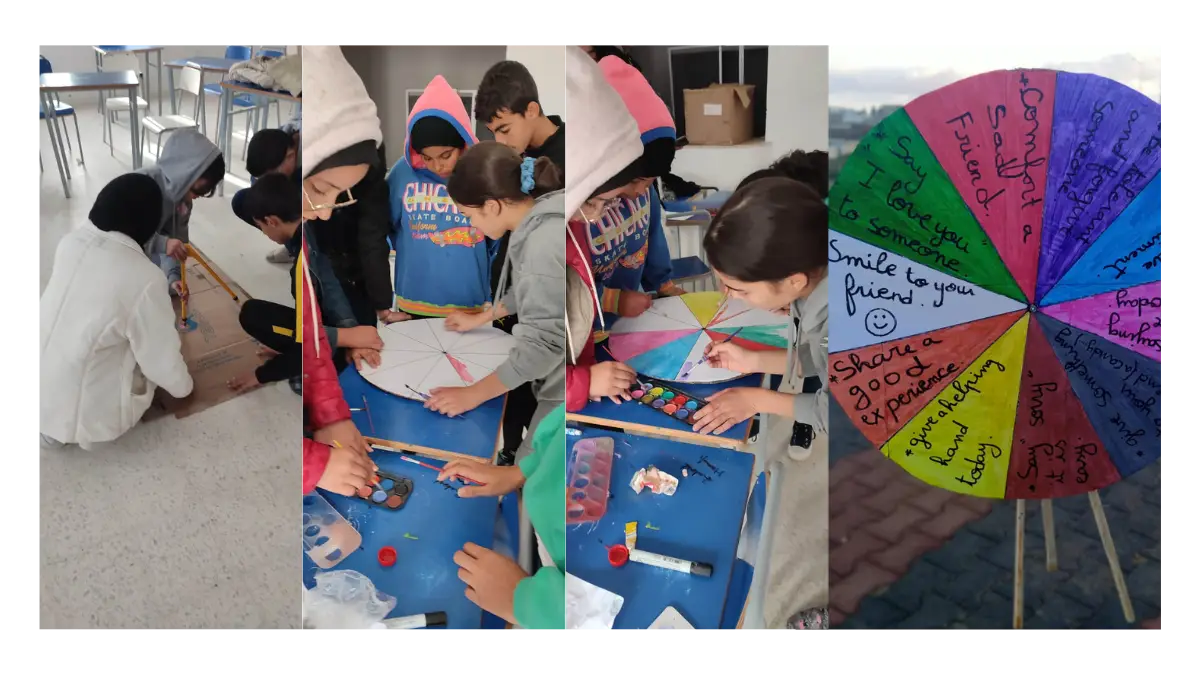
Choose a manageable shared activity
Keep your next shared activity focused on something both classes can contribute to. Explore Class2Class project ideas and choose one you can adapt with your partner teacher.