Connecting classrooms: start with a shared question
Connecting classrooms means teachers helping two classes learn with each other around a shared purpose. Start with one question, a short exchange and a small piece of work that uses both classes' ideas.
See the starting planLast updated
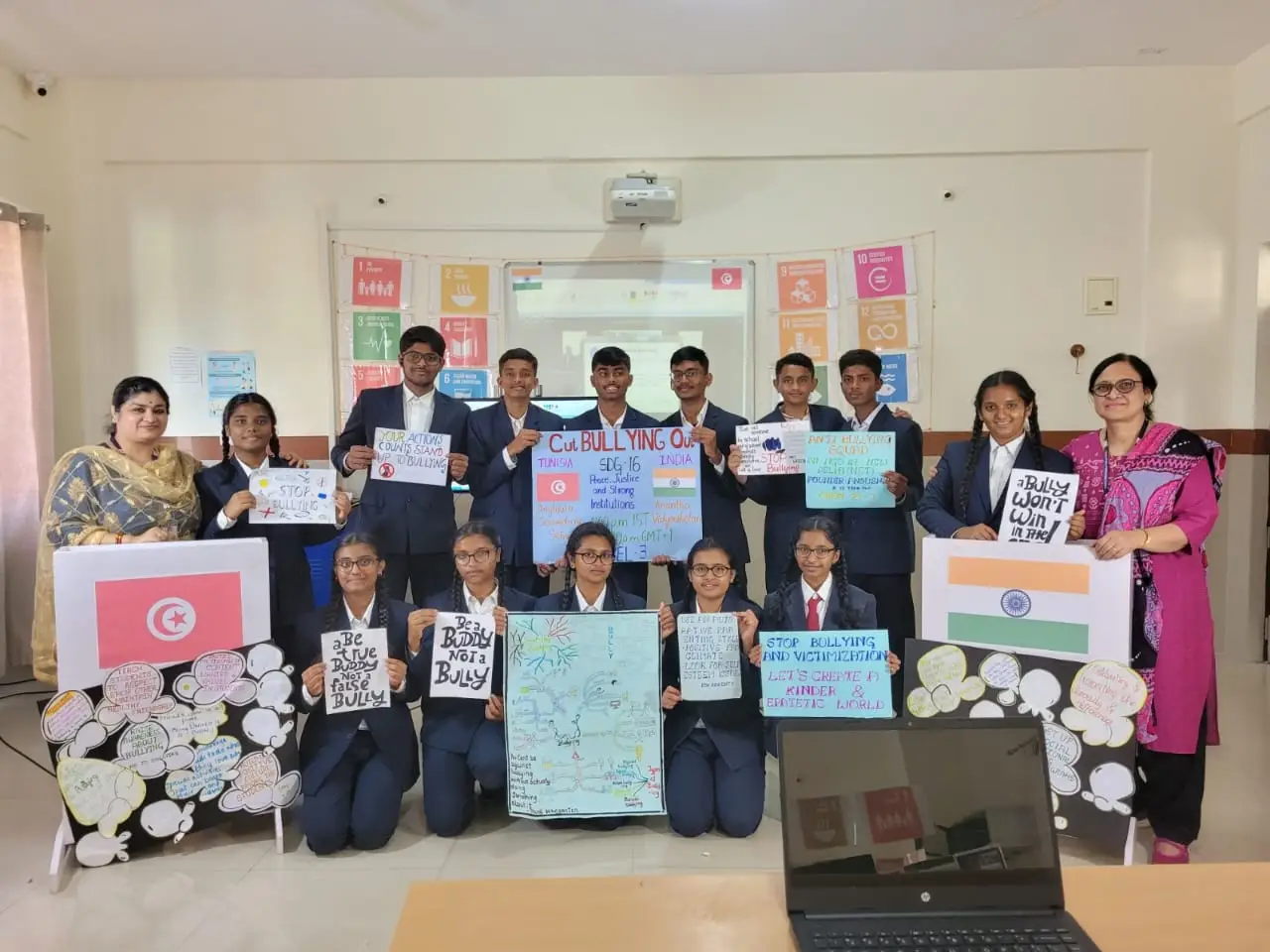
A useful classroom connection gives students a reason to listen and respond. Choose something they can explore in their own setting, then compare it with a partner class: how do we reduce waste, tell a local story or make our school more welcoming?
Plan a small first exchange
- Choose one question that fits a lesson you already teach.
- Find a partner class with a suitable age range, interest and schedule.
- Agree what each class will prepare and when the other class will reply.
- Add one task that needs ideas from both classes, not two separate presentations.
- Finish with a short reflection and one small shared result.
For example, each class could share three observations about waste at school. Students ask one question about the other class's findings, then make a joint list of changes worth trying. Paper notes and a teacher-shared document are enough for a first version.
Choose a question both classes can explore
Swipe horizontally to see all columns
| Topic | First exchange | Shared task |
|---|---|---|
| Community life | Describe a place students use in their neighbourhood. | Compare who can use the places and design one improvement. |
| Culture and stories | Share a local story and explain why it matters. | Make a page of similarities, differences and questions for each other. |
| Student voice | Suggest one change that would help students at school. | Compare the ideas and write a proposal that draws on both classes. |
Environmental learning, language practice and global citizenship can also supply the question. Choose one focus rather than covering every topic. Let students help decide what they want to know about the partner class.
Help the exchange become shared learning
Give the work a clear rhythm
Teachers set the pace, explain the task and make room for students to ask questions. Agree a reply date that works for both schools. Students can send a short written or recorded response before a live meeting, or complete the whole exchange at different times.
Ask about differences without making assumptions
Use prompts such as "What is similar?", "What is different?" and "What else would we need to understand?" Ask students to explain their own context and listen to the other class. One student does not speak for a whole country or culture.
Make something together
The result might be a joint presentation, a comparison of research, a proposal or a page of reflections. Ask students to show which idea came from the partner class and how it changed their work. The cross-cultural project guide gives more ways to structure an exchange.
Start with a simple connection, then add a longer investigation or a student-designed response when both classes are ready. The Class2Class educational framework explains how international collaboration, competencies and student choices fit together.
Why connect classrooms around a real topic?
Connecting classrooms is more than introducing students online. A partner gives them an audience for a clear explanation and a reason to ask better questions. Comparing experiences can reveal how a shared issue looks different across communities, languages and local conditions.
- Communicate a finding clearly and listen to a reply.
- Compare more than one perspective on a question.
- Use a partner's feedback to improve a piece of work.
- Make a choice and explain the evidence behind it.
The OECD global competence framework describes examining issues, understanding perspectives, communicating across cultures and taking responsible action. Use those dimensions to choose a learning focus and review students' work.
UNESCO's global citizenship guidance connects learning with respect for others and shared responsibilities. Its related work on sustainable development links environmental, social and economic questions. These frameworks can help choose a topic; students still need a clear task and teacher guidance.
Use Class2Class to support the plan
Class2Class is free for teachers and students. Use its Connect area to look for a partner, discuss your shared goal and choose or adapt a project. The How it works guide explains the starting sequence.
At the end, ask students what they learned from the other class, what they contributed and what they would change. Keep a useful question or activity for a later exchange. A small project can become the starting point for a continuing partnership when both teachers want to continue. The assessment guide offers ways to look at individual learning alongside the shared work.
Frequently asked questions
Do connected classrooms need to meet live?
No. Classes can exchange messages and work at different times. A live call is optional; agree a reply schedule with the partner teacher.
How small can the first exchange be?
Start with one question, something short to share and one reply from the partner class. Add a joint task when both teachers are ready.
Is Class2Class free?
Yes. Class2Class is free for teachers and students.
Explore classroom projects
Explore project ideas that fit your shared question and choose a starting point for your class.