Connecting Southern Hemisphere classrooms: plan dates and tasks
To connect Southern Hemisphere classrooms, agree a curriculum question, compare both schools' calendars and check time-zone overlap. Choose a small shared task and response dates. Written or recorded contributions let classes work at different times; optional live meetings need a schedule both teachers can use.
Last updated
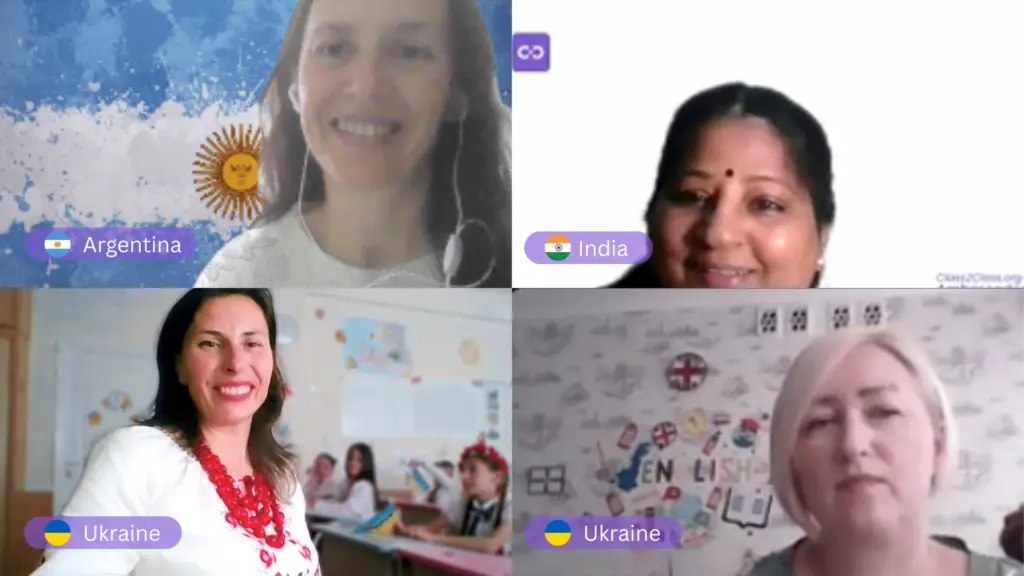
Teachers in Australia, New Zealand, South Africa and other Southern Hemisphere countries can investigate a shared question while comparing different local experiences. Choose a partner for the curriculum goal, then work out the dates and communication routine together.
Use differences to shape the question
Nearby countries can offer different perspectives, and a distant class may have a useful shared interest. Ask what each class can investigate locally and what students need to learn from the other context.
Compare responses to a shared issue
For example, classes in Cape Town and Sydney could investigate water use in their schools. Each class can collect observations, explain the local context and compare proposed responses. Use current local evidence to describe the issue.
Choose a question students can explain
Start with familiar observations and invite students to ask about the differences. These ideas are proposals to plan with the partner teacher:
- Argentina and Australia: compare seasonal routines, celebrations and school-holiday experiences. Confirm the local dates and ask which experiences students want to share.
- New Zealand and South Africa: explore how local knowledge contributes to environmental care. Use appropriate community sources and agree what can be shared and credited.
- Chile and Indonesia: compare local coastal ecosystems, evidence about change and responses to conservation questions.
Compare the actual school calendars
An overlapping term gives both classes time to contribute and respond. Ask the partner teacher for the school's term dates, holidays, examinations and available lesson times before fixing the project schedule.
In New Zealand and South Africa, the official 2026 calendars show school years running from the beginning towards the end of the calendar year, with four terms. Their holiday and term dates differ. Australian dates depend on the state or territory and school; the NSW calendars are one regional reference.
Record a shared working window, a response deadline and a pause for each school's breaks. The classes can investigate the same question on different lesson days, then compare their findings when both are ready.
Start with a small exchange
Agree one question and a small contribution that fits both schedules. Review the first exchange with the partner teacher before choosing a longer project.
- Share letters or recorded introductions about the school, community or a daily routine.
- Investigate the same topic locally and exchange the findings.
- Explain a local celebration, tradition or event, then ask and answer questions about the examples.
Choose interests as well as geography
Discuss the learning goal and what both classes can contribute. A shared topic gives you something specific to plan and assess.
- Environmental education: investigate a conservation question with a class in Madagascar, New Zealand or another suitable context.
- Creative writing: co-create a story or exchange poetry with feedback on language and meaning.
- Sustainable development: choose a UN Sustainable Development Goal and compare how the issue appears locally.
Plan for the time difference
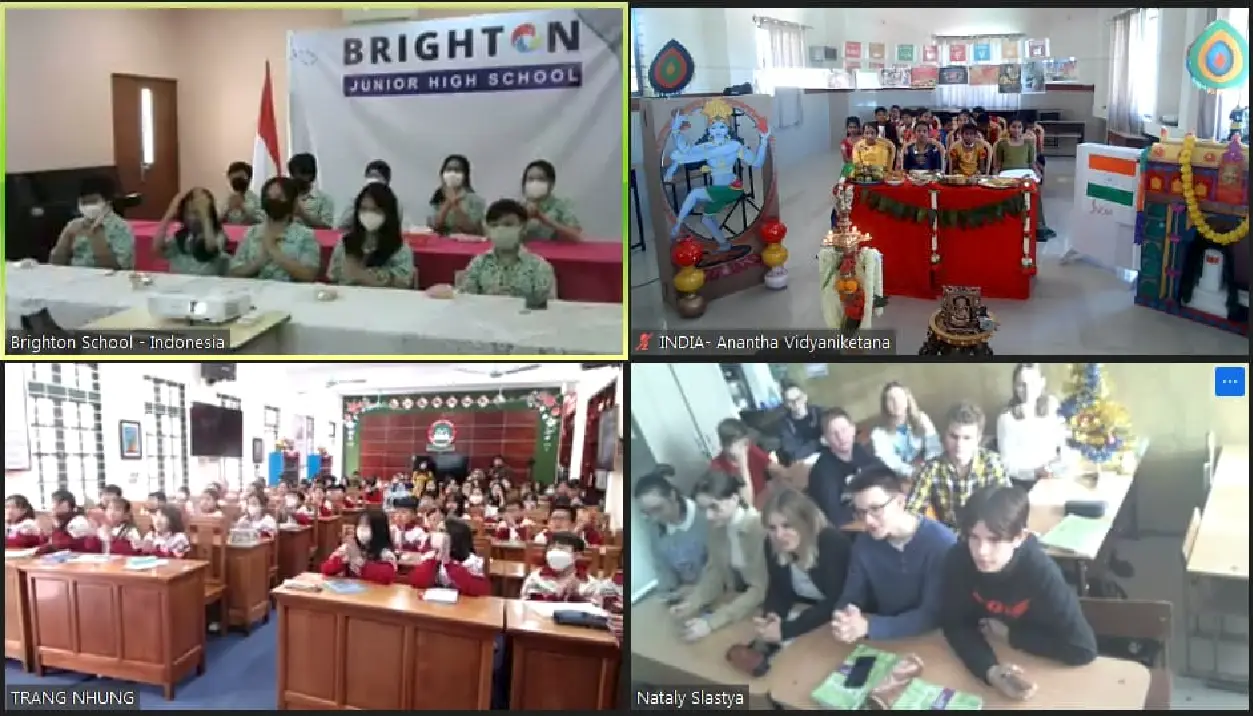
Check the time zones and any clock changes for the dates you are planning. Use the actual school-day overlap to choose a live meeting. Written or recorded exchanges give each class a clear contribution and response window.
- Post an update or draft for the partner class to read later.
- Record a video message with one question for the other class to answer.
- Build a shared response in stages, with each class using the previous contribution.
If a live meeting is useful, agree a short session that fits both school days. A 30-minute call is one planning option; choose the length for the task and age group. Most project work can take place at different times, with a live meeting added when it helps students compare or decide something together.
Investigate issues through local evidence
Choose a question each class can investigate and explain. These themes offer several starting points:
- Climate impacts on an island or coastal community.
- Biodiversity in an ecosystem such as the Amazon, Madagascar or the Great Barrier Reef, using sources appropriate to the specific place.
- Water management, with current local evidence about use, access or drought.
- Local and Indigenous knowledge about environmental care, using suitable community sources and attribution.
Use Class2Class to plan with a partner
Class2Class is free for teachers and students. Explore project ideas and find and contact teachers through Connect using subject, age range, language, SDG interest and availability. Discuss commitment, responsibilities and dates together.
Explore project ideas and read the objectives, activities, age groups and duration. Ask the partner teacher about their preferred pace, structured or flexible tasks and communication routine. Use the answers to decide whether the collaboration fits both classes.
Teachers control the schedule and may exchange work asynchronously. Project chat and teacher messaging support planning during the exchange. Review the first task together and decide whether to continue with the same partner or explore a new topic.
Keep the plan useful for your class
Use the partnership to develop a learning goal in your existing curriculum. Make room for the preparation, communication and feedback the task needs.
- Connect the task with an upcoming unit: compare ecosystems or local-history evidence.
- Agree expectations, available time and communication methods with the partner teacher.
- Invite students to suggest questions and formats within the learning goal.
- Acknowledge a completed exchange and ask students what it helped them understand.
Frequently asked questions
Can I assume schools in the same hemisphere have matching dates?
No. Compare the actual calendars. Terms, holidays, examinations and school routines differ, even when the school years follow a similar broad pattern.
Can we collaborate without a live-call overlap?
Yes. Agree written or recorded contributions and response dates. Each class can investigate locally, read the partner's work later and contribute to a shared response.
What should we agree before involving students?
Set the curriculum question, contributions, learning evidence, available dates, communication routine and support needs. Begin with a small task and review it with the partner teacher.
Explore a project for your class
Choose a question and a first contribution that fit your class. Explore a Class2Class project idea, then compare dates and agree the exchange with a partner teacher.