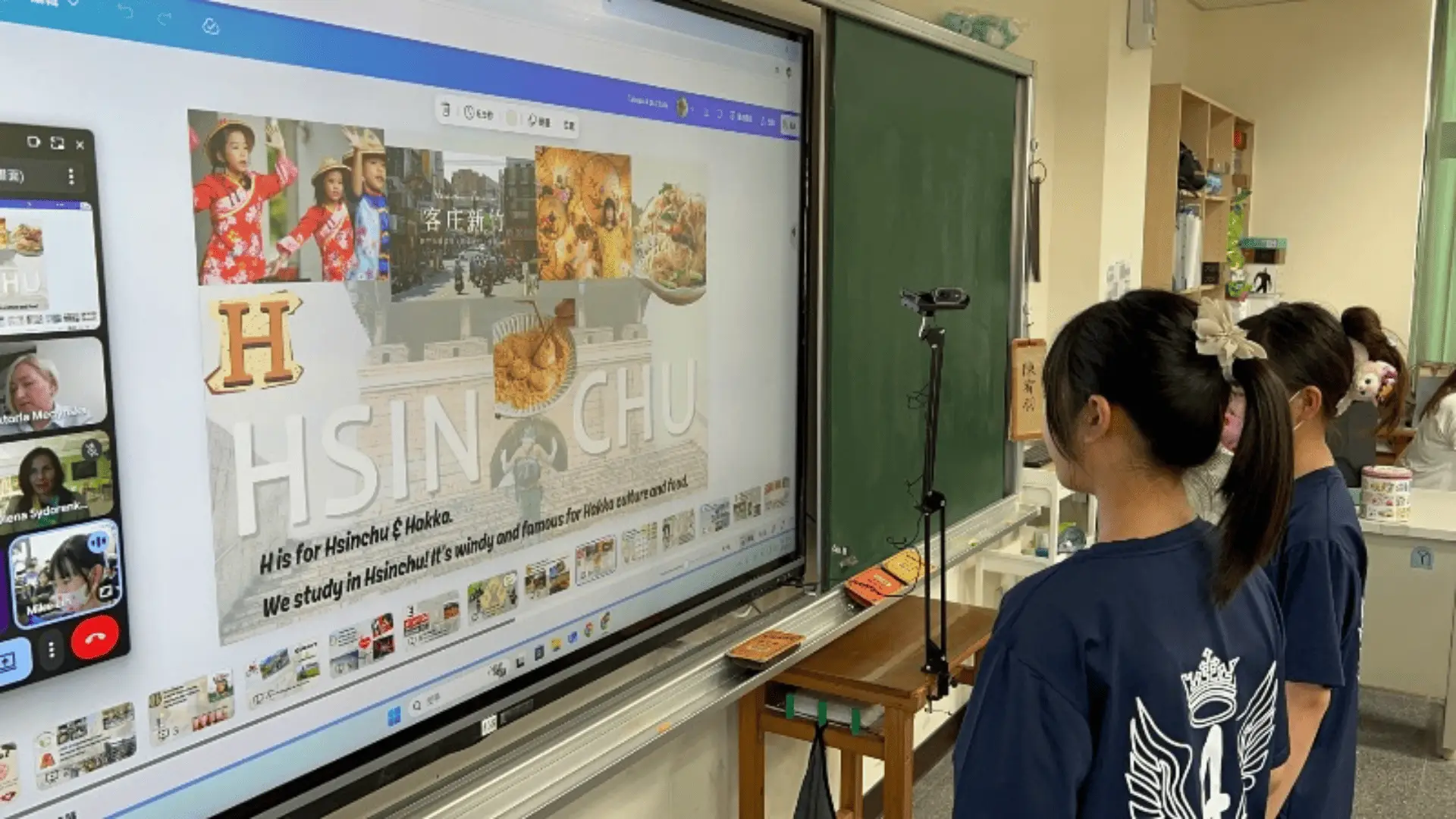
International classroom projects: a useful four-phase plan
International classroom projects need more than separate tasks combined at the end. Plan four phases: define a shared question, investigate and create together, reflect on the learning, then share with an audience. Use student work and individual explanations to check what each learner understands.
Last updated
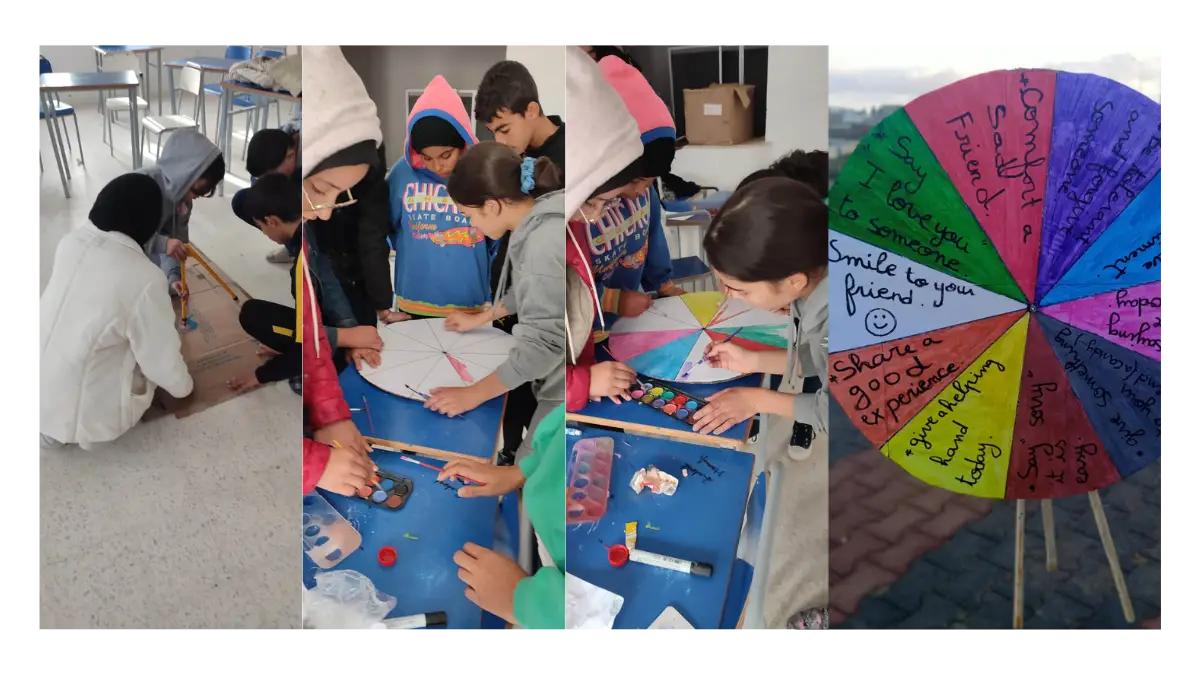
A group presentation can look finished even when students cannot explain the work. An international project needs a shared question and chances to respond to one another, not only separate tasks joined at the deadline.
Collaborative Online International Learning (COIL) connects classrooms through shared work planned by their teachers. The Class2Class educational framework uses this approach alongside competency practice and student agency.
Plan four phases, with a clear learning question
The Class2Class project-design guide organises international collaboration into Definition, Execution, Reflection and Dissemination. Use these phases to plan your teaching. Agree how the phases will fit your classes and the tools you use.
1. Define the question
Choose a question that fits both curricula. Agree the learning focus, any relevant SDG, the timeline, language support and communication tools with your partner teacher. Invite students to suggest what they want to investigate.
The Project Creation Assistant can suggest objectives and activities for a draft. Teachers review and adapt the suggestions. Use it as planning support, then agree the project with your partner.
2. Investigate and create together
Students research their local context, exchange evidence and compare findings. Give the partner class something to respond to, such as a question, a draft or two possible solutions. Build one product that needs contributions from both classes.
3. Reflect on the work and the learning
- What did I learn about the question? Show one detail from our work.
- What did the partner class help us notice or change?
- How did I contribute, and what would I do differently next time?
4. Share with a real audience
Choose an audience before the final week: the partner class, other pupils or your school community. Students might present a campaign, podcast, report, video or exhibition. Agree what can be shared and give the audience a clear question to answer.
Keep teacher guidance and student choices clear
Teachers set the pace, check progress, support disagreements and help every student participate. Students investigate, make choices, build the product and explain their decisions. Offer models, sentence frames and short check-ins when needed.
A first project can be small. Use one topic your students care about, a partner class and a clear final task. The first-project guide offers preparation steps to adapt.
See how a topic can become shared work
EarthSolvers is a published project idea about investigating local environmental challenges and comparing them with peers. You could use the four phases to agree a question, exchange evidence, propose a response and reflect on it. View the idea for its own description before adapting it.
In the K-pop Talk story, Tr. Nassim Mia in Bangladesh used students' interest in K-pop as a starting point. Classes researched, performed and presented their work. You could begin with an interest your students share, then plan research and a response from the partner class.
For a suggested healthy-eating task, one class could create cafeteria infographics and the other an interview-based podcast. Exchange drafts and feedback before sharing them at school. Ask students to explain what they changed after the exchange.
What the research supports
Project design gives students opportunities to investigate, communicate and compare perspectives. A real partner can offer feedback, and a shared question can reveal different local experiences. Check students' explanations and contributions instead of assuming the finished product proves deeper learning.
Krajcik and Shin's 2014 chapter discusses project-based learning. MDRC's 2017 literature review describes the evidence as promising but not proven and stresses the importance of implementation and teacher support.
The 2007 paper by Hmelo-Silver, Duncan and Chinn discusses scaffolding in inquiry learning. UNESCO's 2020 Education for Sustainable Development roadmap offers policy guidance. The SUNY COIL introduction explains teacher co-design and joint international work.
Frequently asked questions
Does every international classroom project need a live call?
No. Classes can exchange research, drafts and questions at different times. Agree how and when the partner class will respond.
How do I know students learned something?
Ask each student to explain a decision or finding and show evidence from the project. Check individual understanding alongside the shared product.
Are the four phases fixed platform steps?
They are a teaching framework from the project-design guide. Adapt the work with your partner teacher and use the actual project tools available to you.
Explore classroom projects
Explore Class2Class project ideas and choose one to adapt for your class.