How global classroom projects make 21st-century skills visible
Global classroom projects give students a structured way to practise critical thinking, communication, collaboration, and global awareness. Teachers can make that practice visible by collecting evidence before, during, and after a shared project.
See the projectsLast updated
What a global project can make observable
Give students a shared task in which to compare perspectives, explain local context, coordinate work, or connect a local question to a wider one. These actions offer practice; participation alone does not show that a skill has developed.
Swipe horizontally to see all columns
| Practice area | What students can do | Evidence a teacher can collect |
|---|---|---|
| Critical thinking | Compare local evidence and perspectives, question assumptions, and explain a choice. | Annotated comparisons, questions, source notes, and a written or recorded rationale. |
| Communication | Explain local context clearly, ask questions, listen, and revise for another audience. | Messages, presentation scripts, peer questions, and revisions after feedback. |
| Collaboration | Divide shared work, coordinate across schedules, make decisions, and respond to peers. | Task decisions, version history, meeting notes, and peer feedback. |
| Global awareness | Connect local and global issues and notice how context changes a problem or response. | A comparison or reflection that cites evidence from both classroom contexts. |
Two project ideas
A first global project can fit into a subject you already teach. Choose a shared question, explore the project ideas below, and plan the next steps with another teacher. These listings were checked on 2 October 2026.
Water Warriors: Global Solutions for Local Water Challenges
Students use environmental science and design thinking to investigate water conservation and access in their local communities, compare findings with a partner class, and design possible responses. The current listing covers age groups 6-8, 9-12, and 13-15 and describes a four-week project in English.
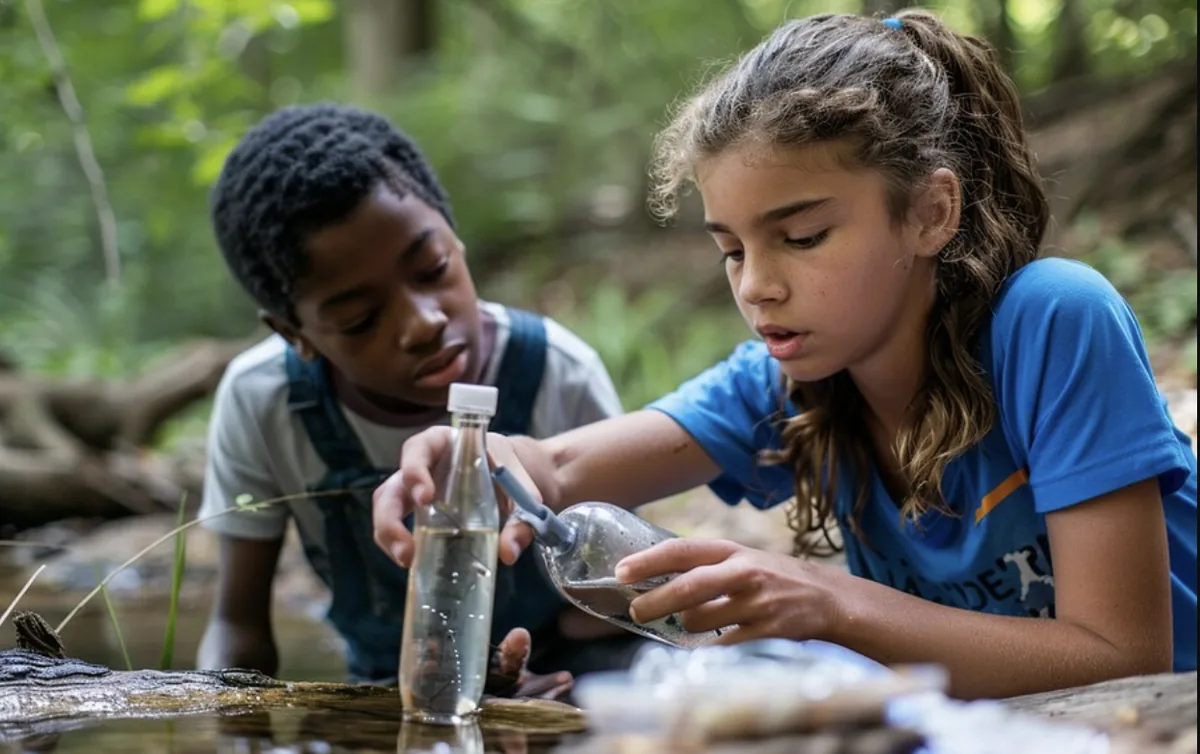
View Water Warriors on Class2Class.
- Research local water-use patterns through age-appropriate interviews and data collection.
- Share findings with the partner class through the agreed workspace or exchange format.
- Identify a shared water challenge while keeping the local differences visible.
- Use design thinking to generate responses, such as a Water Hero Home Kit or an educational comic about conservation.
- Prototype selected ideas with recyclable materials and test them in an appropriate setting.
- Present prototypes in a teacher-moderated video call and reflect on the inquiry and collaboration.
This workflow connects science inquiry with SDG 6, Clean Water and Sanitation. It creates opportunities to practise critical thinking, problem-solving, communication, collaboration, and global citizenship. Teachers still need evidence before describing any of those as learner outcomes.
Building Safe Digital Futures
International student teams practise media literacy and digital citizenship by comparing digital privacy questions across contexts and designing youth-facing responses. The current listing covers age groups 13-15, 16-18, and 18+ and describes a four-week project in English. Teachers should verify the age fit, local privacy context, and research sources before beginning.
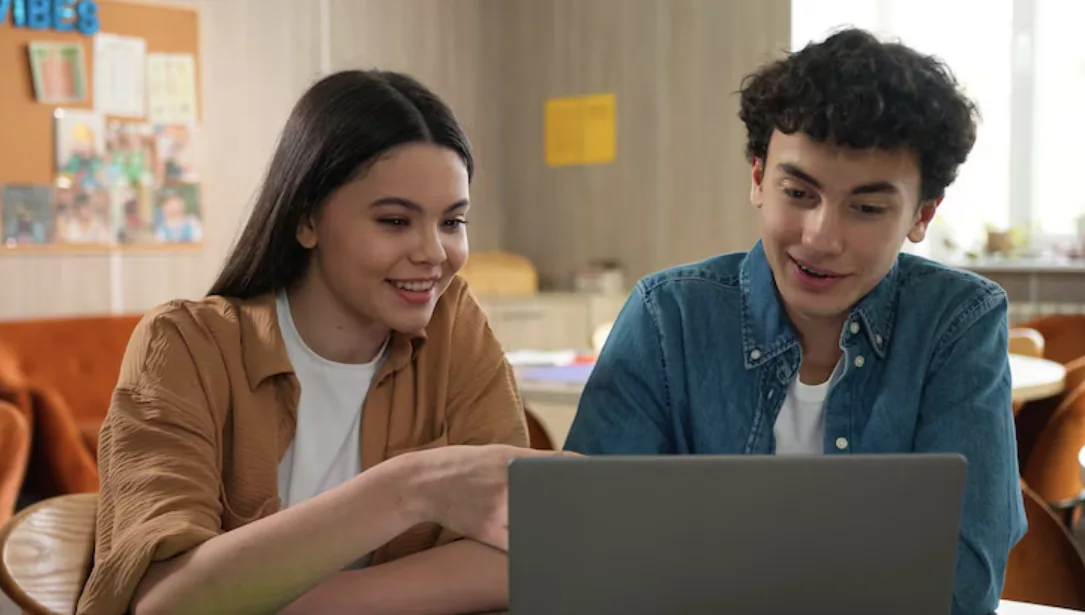
View Building Safe Digital Futures on Class2Class.
- Complete a teacher-approved questionnaire about digital habits and compare aggregated results across countries.
- Research a bounded topic such as privacy law, data breaches, platform data use, or young people's views of privacy. Check the current and local relevance of examples such as GDPR and COPPA.
- Create comparison tables or infographics that keep differences between contexts visible.
- Build a shared glossary for terms such as informed consent, cookies, metadata, and digital surveillance.
- Propose an awareness campaign, tool, policy response, or educational guide.
- Prototype the response and gather feedback from an agreed group of peers, teachers, or family members.
- Present the work in a teacher-moderated Global Privacy Expo.
This workflow connects digital-literacy practice with SDG 16, Peace, Justice and Strong Institutions. The European Commission's teacher guidance also treats digital literacy and critical thinking as teachable classroom work. The project can make research, ethical reasoning, comparison, communication, and collaboration visible, but it does not by itself verify skill growth.
Design your own project around a shared question
A project-based learning shape keeps the collaboration connected to curriculum. Start with a meaningful question, let each class investigate locally, then give the partner classes a reason to compare, create, and present something together.
Here is a planning scenario, not a documented Class2Class outcome: classes in Brazil and Denmark could compare local energy use, discuss how context changes the meaning of sustainability, and design a shared response informed by both places.
- Choose one shared question that connects to what both classes already study.
- Gather local evidence with age-appropriate research, observation, interviews, or data collection.
- Exchange findings and identify one important similarity, difference, or shared challenge.
- Co-create a product or proposed response that uses evidence from both contexts.
- Present the work to an agreed audience, then reflect on the decisions and collaboration process.
Global Citizenship Education and Education for Sustainable Development offer two planning frames for a global classroom project. UNESCO's 2023 Recommendation also frames learning across knowledge, skills, values, attitudes, and behaviours. Use these as design lenses for themes such as climate action, cultural understanding, or community well-being, not as proof that one project produced a fixed outcome.
Track evidence before, during and after
Use a simple teacher-owned routine rather than assuming that participation equals development. Ask the same skill-focused question at the beginning and end, and collect work samples and short reflections while the project is running.
Swipe horizontally to see all columns
| Moment | Prompt | Evidence to keep |
|---|---|---|
| Before | What do students already know, expect, feel, and notice about the topic, collaboration, and another context? | A short baseline reflection, prior-knowledge response, or teacher observation. |
| During | How are students comparing evidence, explaining choices, coordinating work, and responding to the partner class? | Work samples, exchange notes, revisions, decision records, and brief reflections. |
| After | What changed in the students' explanation, evidence use, collaboration choices, or reflection, and what remains uncertain? | A final response compared with the baseline, plus a student reflection on the process. |
This evidence can help students recognize their own practice and help a teacher discuss learning. It is not automatically a grade, a controlled evaluation, or proof that the project caused a change.
Plan a manageable first collaboration
Before choosing a broad outcome, reduce the coordination risk. A smaller shared question and one observable practice can make the first collaboration easier to plan and review.
- Partner fit: confirm compatible schedules, age groups, languages, and interests.
- Project design: reuse a clear sequence instead of designing every activity from scratch.
- Communication: agree teacher roles, student channels, timing, privacy, and moderation.
- Educational purpose: connect each exchange to a curriculum question and a visible student task.
- Evidence: decide in advance which work samples or reflections will show the practice you want to observe.
A clear framework, a willing partner classroom, and agreed support are enough to begin planning. Project-based learning and design thinking can structure the work, while the evidence plan keeps claims about communication, critical thinking, empathy, collaboration, and global awareness proportionate.
Frequently asked questions
Which 21st-century skills can students practise in a global classroom project?
Students can practise critical thinking, communication, collaboration and global awareness. A project creates opportunities to practise these skills, but teachers need observable evidence before describing learner development.
How can teachers make skill practice visible?
Collect a short baseline before the project, keep work samples and reflections during it, and compare a final response with the baseline. The comparison shows evidence of practice and change; it does not by itself prove that the project caused the change.
Do teachers need to redesign the curriculum for a global project?
No. Start with one shared question that connects to what both classes already study, then agree a small exchange, co-created product, and reflection with the partner teacher.
Explore classroom projects
Explore project ideas that connect with what your students are learning.