COIL for English teaching: five language tasks
Plan COIL English language tasks around an existing language goal and a reply from a partner class. Students can write for a real reader, present and ask questions, compare a text, clarify vocabulary and grammar, and explore cultural context. Both teachers agree the task, support and evidence to collect.
Last updated

Give English tasks a partner-class audience
A writing assignment can become a story for another class. An oral presentation can become the start of a conversation. Begin with a language goal you already teach, then plan what students will share and how their partners will respond.
Collaborative Online International Learning (COIL) gives that exchange a shared learning purpose. SUNY COIL describes teachers designing the experience together and students working together on the activities. These five English practices apply that idea to writing, speaking and listening, reading, vocabulary and grammar, and cultural awareness.
1. Write for a reader who will reply
A partner class gives students a reason to explain ideas to readers who do not share all their references. In a narrative about school life, students may need to describe a tradition, explain an unfamiliar word or add a detail they would normally leave out.
Use the reply in revision. Ask the partner class to name something they understood, something they want to know more about and one passage that needs a clearer explanation. Give your students time to edit the text and say what they changed.
You can observe whether students add context, choose more precise words and revise for clarity. A real audience gives these choices a purpose; students still need instruction and feedback rather than an assumption that they will edit independently.
2. Speak and listen with a clear purpose
A live conversation gives students questions to ask and answers to understand across different accents. They can practise speaking at a manageable pace, asking for clarification politely, rephrasing a sentence and allowing for a connection delay.
Prepare a short presentation and two questions before the exchange. Students can rehearse a phrase such as "Could you explain that word?" or "Do you mean...?" Ask listeners to note the main idea and one question to send back.
A recorded presentation can serve the same task when timetables do not overlap. The partner class listens during its own lesson and replies later. Listen for how students make themselves understood and respond to what they heard; a live call is optional.
3. Compare readings and interpretations
When two classes read the same text, they can compare the details they notice and the questions they ask. Choose a short story, article or poem both teachers can use, then give the discussion a specific focus.
For a story about family relationships, ask each class to explain one character's decision using evidence from the text. Compare the replies and ask where their interpretations differ. Invite students to explain their own perspective without asking them to represent a whole country or disclose private family experiences.
A partner's question can send a student back to a passage they skimmed. Ask students to reread, identify the supporting sentence and revise an interpretation when needed. This gives you concrete reading evidence to discuss.
4. Use vocabulary and grammar to improve meaning
Choose language that students need for the shared task. A conversation about a local problem might introduce "implementation", "advocacy" or "initiative" when those words fit the class. Teach their meanings, give examples and keep a small shared glossary; use simpler wording when that helps both groups.
Use partner questions as a reason to check grammar. An unclear pronoun may leave a reader unsure who acted; a missing time phrase may confuse a routine. Ask students to make the message clearer, then explain why the edit helped.
The exchange may also reveal different spellings, idioms and formal or informal ways of writing. Discuss the audience and the variety of English students encounter. If they use online sources or tools, teach them to check meanings and choose what is appropriate to share.
5. Explore culture through everyday communication
A continuing partnership gives students time to ask questions, hear replies and revisit assumptions. Connect cultural awareness to the English task instead of treating it as a separate presentation about an entire country.
Students can explain a school routine or a favourite activity, then ask a respectful follow-up about a partner's experience. Give each student room to speak for themselves. When a message is unclear, ask for context before deciding what the person meant.
Agree which language objectives you will assess: adding context to a description, asking a clear question, using evidence in a reply or choosing an appropriate tone. These choices keep the exchange connected to your curriculum.
Two projects to explore
These Class2Class stories show how teachers used music and daily routines for an exchange. Use the activities as starting points for an English task.
K-pop Talk: explain a shared interest
Teacher Md. Nasim Mia from Bangladesh hosted K-pop Talk: Bridging Cultures Through Music. The published four-week story asked students to choose a favourite song, research its cultural and entertainment value, and explain that choice to a partner class. Music gave the shared work a familiar starting point.
For an English task, students could write a short explanation, present it and respond to a partner's interpretation. You can focus on giving reasons, explaining an unfamiliar reference and comparing ideas. Choose material both teachers can use and teach the language students need.
A Day in My Life: explain a familiar routine
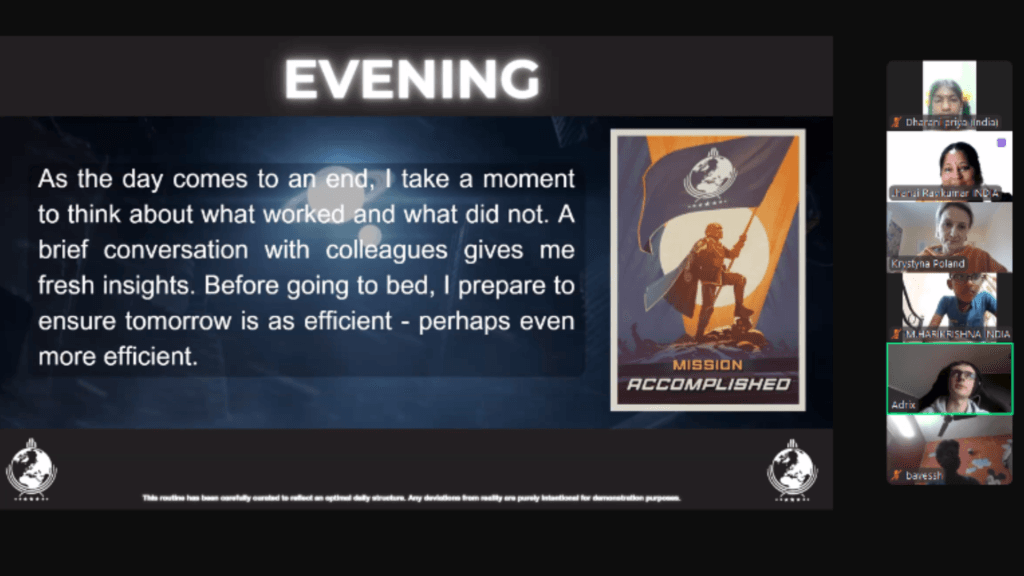
Teacher Krystyna Jakubowicz from Poland hosted A Day in My Life, with Teacher Jhansi Ravikumar's class in India taking part. The published story asks students to prepare a poster, slides or another format about routines, hobbies and after-school activities, then present and discuss similarities and differences.
The idea is easy to adapt to different language levels: a learner can begin with a simple timeline and sentences, while a more confident writer can develop a detailed narrative. Ask the partner class which details need explanation and use the reply to improve the work.
For your own English lesson, students could explain a word such as podwieczorek: a small late-afternoon meal in Polish. Invite them to choose a routine they are comfortable sharing and ask partners which details need more context.
Plan the exchange with your partner teacher
Choose one language goal and one shared output before adding more activities. Agree the students' level, language support, lesson time, reply dates and how each class will respond. The teacher coordination guide gives a shared-plan structure you can adapt.
- Check the available materials and prepare the glossary, model text or sentence starters the task needs.
- Agree the tools and a backup if a live meeting is not possible. Recorded work, texts or drawings can be shared at different times.
- Keep sharing teacher-led. Check school permissions, personal information and the agreed audience before sending work.
- Collect a draft, partner reply and short reflection so you can discuss what students understood or improved.
Class2Class helps teachers find partner classrooms and organize project work. Teachers agree the plan and supervise the exchange; any live meeting uses a tool they choose. Read the current collaboration FAQ for the process and sharing guidance.
For the wider approach, the COIL guide explains shared task design. The design thinking guide offers a way to develop and test ideas when your English task includes solving a problem.
Sources
- SUNY COIL Center. What is COIL?
- Class2Class. K-pop Talk: Bridging Cultures Through Music. Finished project story.
- Class2Class. A Day in My Life. Finished project story.
- Wielki słownik języka polskiego PAN. Podwieczorek, activity sense.
- Class2Class. Teacher collaboration tools: coordinate an international project.
- Class2Class. Questions from schools, DPOs and partners.
Choose one English task to share
Start with a writing, speaking or reading task you already plan to teach. Explore a project idea, then agree a small exchange with a partner teacher. Give students a clear audience, a reason to respond and time to improve their work.