Four classroom exchanges to start in January
For a January classroom exchange, choose Dance Culture Explorers, Around the World in School Lunches, My School, Your School, or The School of the Future. Each idea suggests four weeks in English. Agree the task, dates and partner response before starting.
Last updated
Choose one exchange your classes can build together
If January marks a new term for your class, it can be a useful moment to plan an international exchange. Start with a topic students can investigate locally, then give the partner class a clear reason to respond. Check both school calendars before setting a start date.
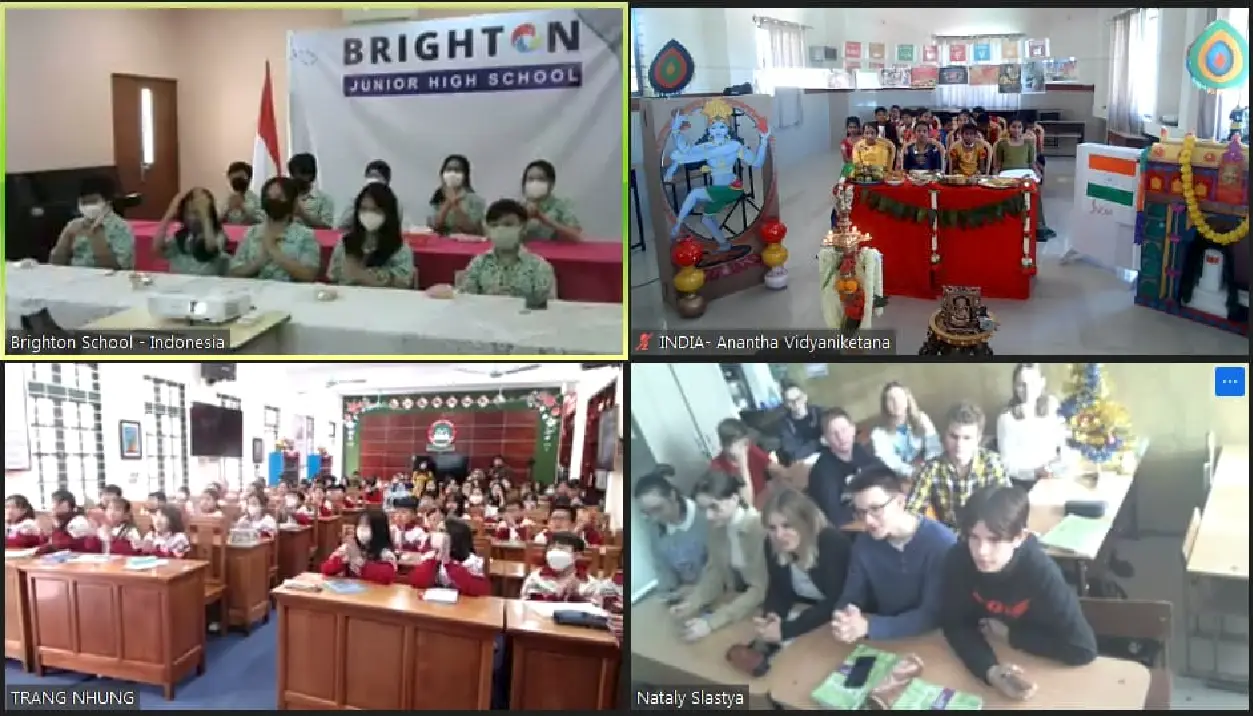
These four ideas can support collaborative online international learning, or COIL: teachers agree the learning task, and students use contributions from both classes in a shared result. A dance comparison, a school-lunch gallery or a proposal for a future school can give that collaboration a focus.
All four ideas use English and have a suggested duration of four weeks. Adapt the amount of work and language support to your students. The activities below are suggestions for developing each idea with your partner teacher, and they can work in other months too.
Dance Culture Explorers: investigate a tradition
Choose a dance connected to a local community or tradition, then help students explain its history and meaning to a partner class. The task combines research with a chance to ask how people use movement to celebrate, tell stories or mark an occasion.

- Research one dance and check sources for where, when and why it is performed. Avoid presenting a single example as the tradition of an entire country.
- Prepare a short illustrated explanation, presentation or recording. Include the sources and any music or image credits.
- Exchange the work and ask each group to respond with a specific observation and a respectful question.
- Create a joint comparison that explains a similarity, a difference and something the partner class helped clarify.
A movement demonstration can be optional. Students can contribute through narration, research, captions or questions without performing. Use the questions and revised explanations to discuss how well they listened and interpreted cultural context.
Around the World in School Lunches: compare everyday meals
Lunch offers a familiar detail students can describe without needing to explain a whole culture. Compare what two school communities share about meals, ingredients and routines, leaving room for different experiences within each class.
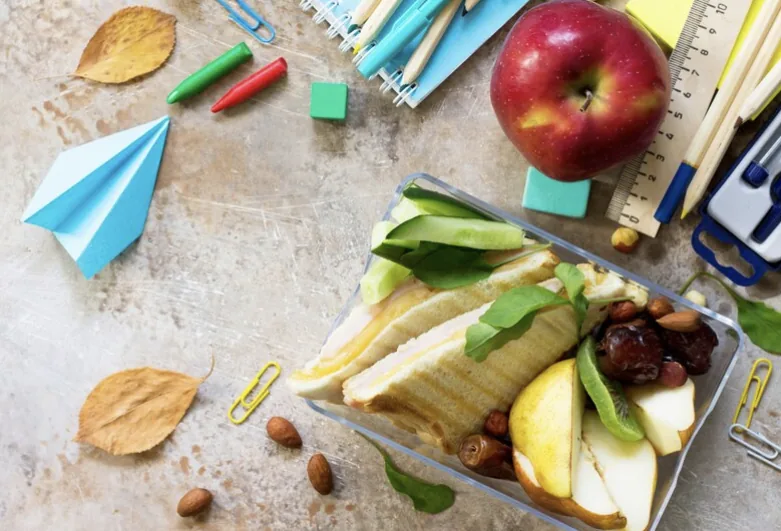
- Invite younger learners to draw a lunch and dictate a short caption. Older learners can describe ingredients, meal preparation or the routine around lunchtime.
- Exchange selected drawings or photos with clear descriptions. A labelled drawing is an alternative when photos are unsuitable.
- Ask questions about timing, ingredients and customs. Students can research how local climate or food production relates to an ingredient, checking the explanation against a source.
- Build a shared comparison chart or presentation. Optional recipes or family food stories can add detail when students want to share them.
Frame the conversation with curiosity rather than judging which food is normal or best. Students do not have to share personal dietary or household information. Look for descriptions that a partner can understand and replies that refer to something the other class actually shared.
My School, Your School: show a day in your classroom
A favourite playground game, a daily routine or a memorable lesson can start a conversation about school life. Give students one small part of their day to explain, then ask them to explore the partner class's experience.
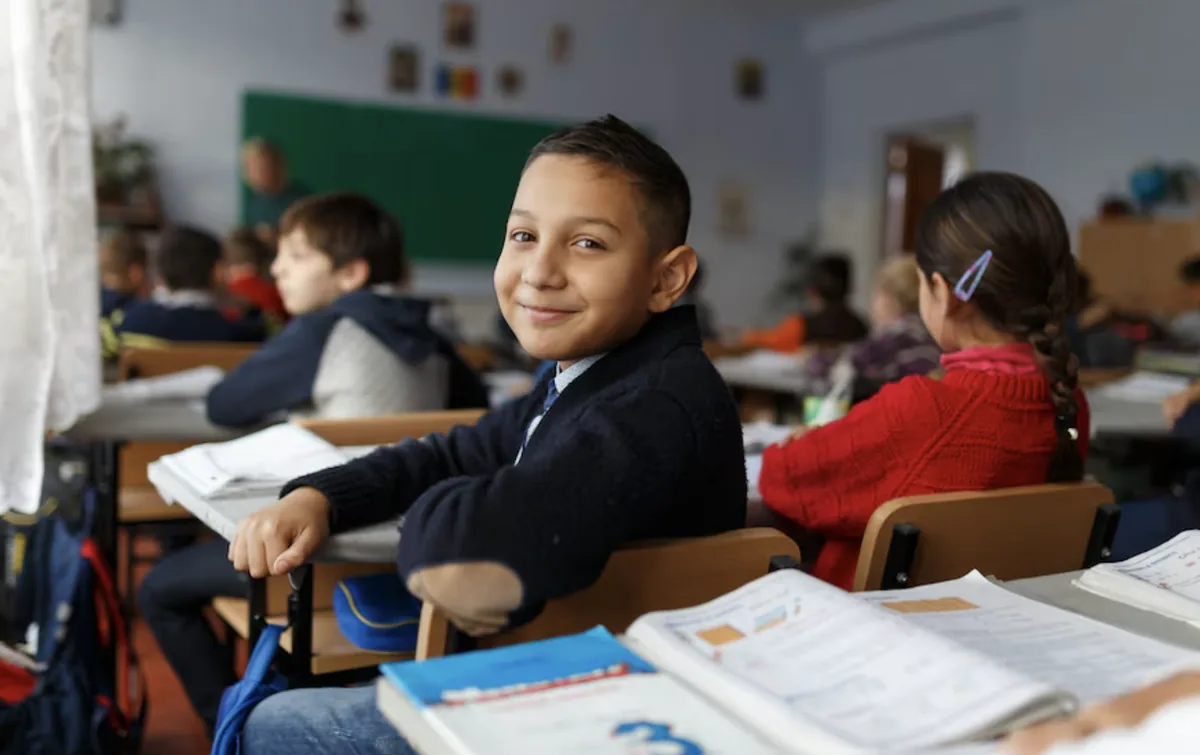
- Prepare a drawing, poster, short slide set or recording about a classroom space or daily routine. Explain why it matters to students.
- Share subjects, school traditions or a favourite activity. Groups can also explain how to play a game they enjoy at break time.
- Compare details such as timetables, uniforms or lunch routines, asking follow-up questions before drawing conclusions.
- Make a small joint gallery of school-life stories, with a note about what each class learned from its partners.
This is a way to practise clear explanations and careful listening. Keep comparisons grounded in the two classrooms: one school's routines do not represent every learner in its country.
The School of the Future: design with another class
Invite students to imagine how a school could better serve its learners. The idea connects cultural diversity, educational innovation and sustainability through a shared design. It asks students to develop a proposal together, so allow time for questions, decisions and revisions.

- Begin with what students value about their current school and what they would change. Agree one design question with the partner class.
- Research examples of learning spaces or school routines and discuss what could work in each context.
- Develop a drawing, model or presentation covering selected features, such as buildings, technology, subjects or the timetable. Explain the reasons and practical constraints.
- Exchange feedback and revise the design. Combine contributions into a shared proposal, making clear which ideas came from each class.
You can use a design-thinking sequence to organize this work, but the tasks above are an adaptation to plan with your partner. Ask students to show how feedback changed a choice. That gives you something concrete to discuss about teamwork, reasoning and visual communication.
Agree the first contribution before students begin
Choose the idea that fits your students' interests, curriculum and available lesson time. Class2Class is free for teachers and students. Teachers find partners through Connect, then agree the plan together; the platform FAQ explains the current communication options.
- Compare age groups, language support, term dates and the time each class can offer.
- Choose one shared question, the first contribution and how the other class will respond.
- Agree tools and sharing arrangements, checking permissions before exchanging student images or work.
- Set response dates and a teacher check-in. Use a recording, drawing or written exchange if a live meeting is difficult.
- Decide what students will show at the end and how they will reflect on the partner class's contribution.
The teacher coordination guide explains how to keep the shared plan, teacher messages and student work organized. A live call is optional; teachers choose and schedule any external meeting tool themselves.
Sources
Choose a starting point for your next term
Open an idea above and bring one possible exchange to a partner teacher. Agree a question, a first contribution and a reply date. If January does not suit both classes, choose another point in the year when there is room to prepare, respond and reflect.