Global citizenship: a definition teachers can use
Global citizenship means recognising connections with people beyond your own community and acting with respect and responsibility. Global citizenship education helps students build the knowledge, attitudes and skills to do this through everyday subjects.
See the three domainsLast updated
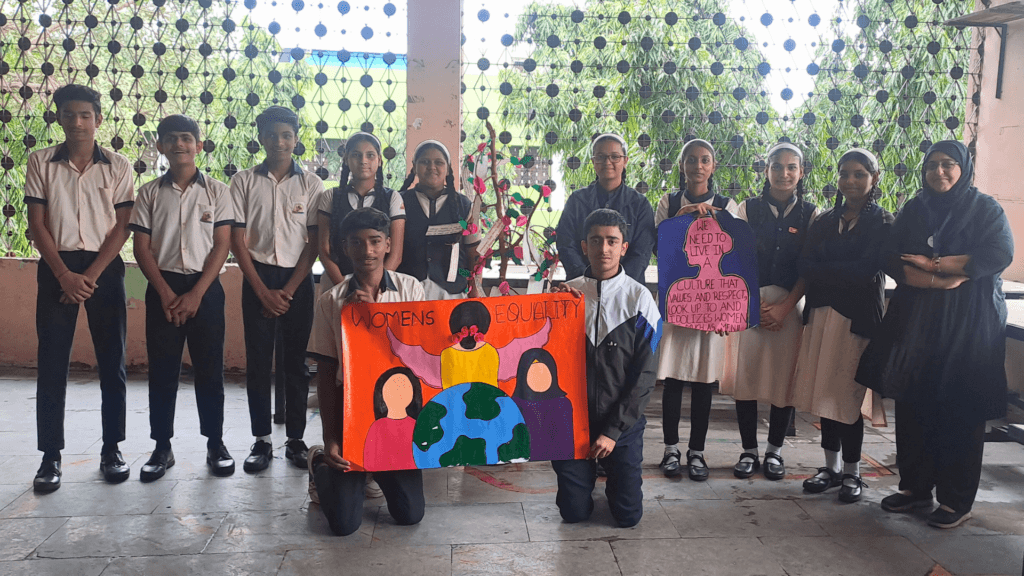
A student can learn about a global issue, listen to another person's experience and decide on a thoughtful response. Global citizenship education brings those parts together. It does not replace local identity or ask students to speak for an entire country.
Global citizenship definition and three learning domains
UNESCO describes global citizenship education as learning that supports knowledge, skills, values and attitudes for a more peaceful and inclusive world. It can run across subjects rather than becoming a separate course.
Swipe horizontally to see all columns
| Domain | What students practise | What a teacher can look for |
|---|---|---|
| Knowledge and understanding (cognitive) | Investigate an issue and compare information. | An explanation that uses evidence and notices a missing perspective. |
| Values and relationships (socio-emotional) | Listen, show respect and consider how others feel. | A response that accurately represents another person's view. |
| Action (behavioural) | Choose and carry out a responsible action. | A reason for the action and reflection on what happened. |
UNESCO's Topics and learning objectives, published in 2015, sets out these domains with age-related learning objectives. Adapt the question and evidence to your students rather than using the same task at every age.
Try the domains in a familiar lesson
In a literature lesson, compare how two stories describe belonging. In science, investigate local water quality and compare it with another source or class. In history, examine accounts of the same event from different perspectives. Ask students what each source shows and what it leaves out.
- Know: each group names one claim and the evidence supporting it.
- Listen: groups explain another perspective fairly before giving their own view.
- Act: students choose a small response, such as revising an explanation or sharing a well-supported recommendation.
Students can share languages, stories or knowledge they choose to contribute. Offer an alternative for anyone who does not want to share personal experiences, and avoid treating one student as the spokesperson for a culture.
Connect local learning with a wider question
A partner class can add another setting or perspective. Agree on one question, exchange what each class finds and ask students to use the partner's contribution in a shared piece of work. Begin with a short exchange and leave time for questions and replies.
The UN's SDG Target 4.7 links sustainable development, human rights, gender equality, peace, global citizenship and cultural diversity with education. The 17 goals can help name a shared issue. The sustainable development guide explains how to connect a question with curriculum learning.
- SDG 13, Climate Action: compare local climate impacts and possible responses.
- SDG 4, Quality Education: compare school experiences using questions students and teachers agree to share.
- SDG 12, Responsible Consumption and Production: compare waste observations and propose a reduction plan.
Choose skills you can see in students' work
- Intercultural communication: explain a view and check that you understood another.
- Global awareness: connect a local question with a wider issue.
- Critical thinking: compare sources and give reasons for a conclusion.
- Collaboration: share responsibility for a task and use feedback.
- Emotional intelligence: notice feelings and respond respectfully.
- Digital literacy: check information and use suitable sharing tools.
- Adaptability and leadership: adjust the plan and take turns guiding the work.
- Creativity: develop an idea and improve it with others.
Give students some choices about their questions, roles and response. The OECD Learning Compass 2030 places student agency within a wider learning framework. That does not mean removing teacher guidance: help students set a goal, reflect and explain their decisions.
Use journals, group discussion or a short self-assessment to ask: what did I assume at first, what new evidence did I meet, and what would I do differently? Keep both subject learning and the quality of the explanation visible.
Make room for questions and disagreement
- Curriculum time: use a topic already in a subject lesson.
- Sensitive issues: choose age-appropriate sources and ground discussion in evidence and respect.
- Limited connections: begin with different sources in your own classroom, then add a partner when one is available.
- Teacher preparation: discuss one topic with colleagues and use a relevant training resource.
Keep learning yourself. A workshop, course or conversation with another educator can help you examine assumptions and plan a better question. Teachers do not need to be experts in every culture to begin; they do need to be willing to listen and check their sources.
Plan the learning and check students' work
The OECD global competence framework describes examining issues, understanding perspectives, interacting across cultures and acting responsibly. Use it to choose a learning focus and decide what evidence to look for in students' work.
Communication, teamwork and thoughtful decisions matter in school and beyond. Look for a clear explanation, thoughtful use of feedback and a reasoned decision in students' work.
Use Class2Class for a shared project
Class2Class is free for teachers and students. Teachers can find a partner and plan shared work. Its educational framework connects international collaboration, competencies and student agency; choose a project that serves the learning question, not just a meeting online.
Begin with an exchange, develop a shared investigation or work on a possible solution together. Decide the pace with your partner teacher. The COIL guide explains how to plan learning with another class.
Frequently asked questions
Is global citizenship a school subject?
It can be taught across subjects. Use a familiar lesson to practise understanding an issue, listening to different views and choosing a responsible response.
Can I begin without a partner classroom?
Yes. Compare two sources or perspectives in your own class first. Add a partner when you have a shared question and a workable plan.
How is global citizenship different from sustainability education?
Global citizenship focuses on belonging, respect and shared responsibilities. Sustainability education focuses on informed choices about environmental, social and economic challenges. They overlap in many classroom topics.
Explore classroom projects
Explore classroom projects and choose one that gives your students a useful question to investigate with others.