Global citizenship education: 5 classroom strategies
Bring global citizenship education into a high school classroom with five strategies: partner projects, SDGs, shared inquiry, digital exchanges and student ideas.
Last updated
Global citizenship education helps high school students explore global issues, consider different perspectives and choose informed ways to act. These five classroom strategies connect that purpose to a shared task with students in another country.
Start with a question teenagers can investigate through your subject. They can compare evidence, discuss how an issue affects different communities and decide what they want to share or improve.
1. Work with a partner class
Connect with a partner teacher and agree a task that needs input from both classes. Students can ask questions, compare perspectives and use the replies in their work.
For example, imagine a shared SDG 13: Climate Action project with a class in Brazil. Students could compare local climate evidence, ask how the issue affects each community and discuss possible responses.
Ask students what changed in their understanding after reading or hearing the other class's views. Invite them to notice assumptions and explain why their conclusion is supported.
2. Link a local question to the SDGs
The UN Sustainable Development Goals provide a way to connect classroom topics with global issues. Choose a goal that fits your high school curriculum rather than adding an unrelated topic.
One possible project links classes in Germany and India to research renewable energy. Students could compare energy sources through SDG 7: Affordable and Clean Energy, then consider connections to climate action and sustainable cities.
Use the comparison to discuss how global issues connect. Ask students to explain trade-offs and what would need to change for an idea to work locally.
3. Plan a shared inquiry with COIL
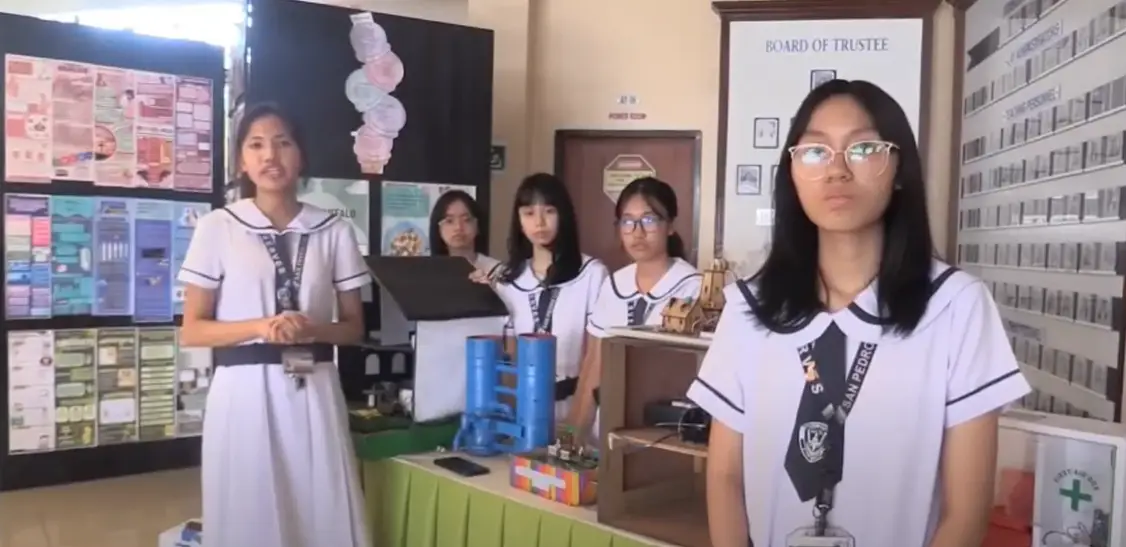
Collaborative Online International Learning (COIL) connects classes through shared online work. Teachers plan the learning goals and guide the collaboration; students contribute questions, perspectives and a shared output.
Agree the question, exchanges and final output with the partner teacher. Include time for introductions, inquiry, feedback and reflection. These choices give the exchange a learning purpose beyond casual conversation.
Keep the high school curriculum in view. Name what students should learn through the exchange, then choose activities and evidence that help you assess those goals.
4. Choose tools that support the exchange
Class2Class supports project chat and teacher-to-teacher messaging. Most collaboration can be asynchronous. If the teachers want a live meeting, they choose and schedule an external video tool. Use school-approved tools where the task needs shared document editing.
Plan how students will ask questions, share their work and give feedback. A simple digital exchange can practise communication and collaboration without needing every class online at the same time.
5. Give students choices and support their ideas
Invite students to suggest questions, decide how to investigate them and improve their ideas after feedback. Teachers create or join projects and guide the work; student agency does not remove that teaching role.
For example, students could explore water scarcity with a partner class. They might conduct interviews, compare findings and create presentations or an awareness campaign. If students propose fundraising, discuss it through the school's own process; it is not a required Class2Class activity.
Plan the learning and find support
Class2Class offers a place to find partner teachers and explore project ideas. Choose the resources and support that fit your next task.
- Find partner teachers through Connect.
- Explore SDG-aligned project ideas and check their actual age range and activities.
- Keep project evidence and any participation certificate in your professional portfolio.
- Use published teacher guidance, community meetings and the support channel when you need help.
UNESCO's global citizenship education guidance gives a wider framework for the knowledge, values and actions behind these classroom tasks.
Frequently asked questions
What can I do first in a high school classroom?
Choose one global question already connected to your subject. Ask students what they want to know, then plan a short exchange with a partner class.
Do we need a live video call?
No. Students can exchange messages, findings or recorded presentations at different times. Teachers can add a live meeting if it helps the task.
Is Class2Class free for my students?
Yes. Class2Class is free for teachers and students. Explore a project idea before deciding how it could fit your class.
Choose one strategy for your next unit
Explore a project idea that connects to what your high school students are learning. Bring one shared question to a partner teacher and agree how both classes will contribute.