Partner classrooms: five planning agreements
Partner classroom planning agreements should cover response dates, language support, where and when to share work, teacher responsibilities and the first task. Record the decisions together. Allow time for preparation, partner replies and reflection alongside the students' classroom activity.
Last updated
Make five agreements before the first exchange
Two classrooms, two countries and a shared project to run together. Before students begin, decide when to exchange work, how to support communication, who prepares the activities and how both teachers will keep the plan moving. A few clear agreements give each class something practical to follow.
Start with what your schools can manage. Compare lesson time, languages, resources and availability, then write down the five decisions below. You can revisit an agreement when a timetable changes or the first task needs more support.
1. Agree a response window across time zones
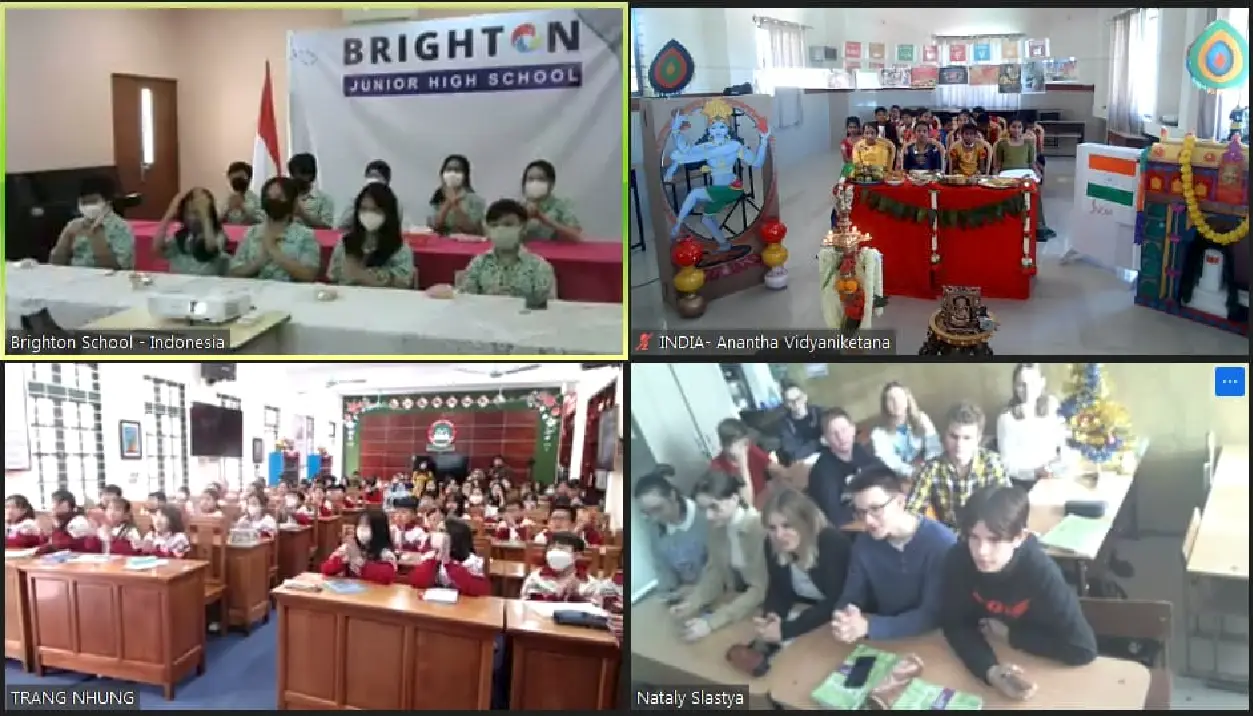
A several-hour time difference can leave little overlap between school lessons. Plan the exchange so each class can prepare and share its work during its own school day. The partner class reads it and responds by an agreed date; a live call is optional.
Check lesson days, holidays and connection access before setting the window. Leave enough time for students to read a partner's contribution and compose a reply. The time-zone planning guide gives a practical sequence you can adapt.
Street Stories explores local and street art. One adaptation could ask each class to share a permitted photograph or drawing with a short caption, then ask a question about the other class's contribution. Check the idea's current age range and activities before choosing it. Agree when the gallery and replies will be ready.
If both schools have a useful overlap, add a live conversation with a clear purpose. Keep a written or recorded alternative ready so a missed call does not stop the task.
2. Agree the language and support students need
Choose a collaboration language both classes can work with and discuss the support students will need. A class in Mexico and a class in Turkey could explain a local tradition through simple words, drawings and short recordings. Teachers can prepare a few phrases for asking a question or explaining an unfamiliar detail.
- Begin with two or three clear sentences when that fits the task.
- Combine words with a drawing, permitted photograph or short recording.
- Use a school-approved sharing tool. Padlet is one option for text, images, audio and video.
- Show students how to ask for clarification and revise a message after a partner's question.
Keep the learning goal clear: students should have something to explain and a reason to listen to the reply. The COIL guide describes how teachers jointly plan the shared task. Adapt its communication demands to the students taking part.
3. Agree a posting and reply rhythm
A project can stall when neither teacher knows what happens next. Before the first contribution, agree where work will be shared, who goes first and when the other class will respond. Keep the routine realistic for both timetables.
The K-pop classroom story shows a sequence built around choosing music, researching it and presenting it to other classes. Use a clear sequence for your own topic, then agree how each stage will reach the partner class.
For example, you could adapt this communication agreement:
- Where: keep student contributions in one agreed project space and teacher decisions in a message space both teachers check.
- How often: one class contribution each week, with a reply date that allows for both school calendars.
- Format: a short text, with a drawing, photograph or recording when it helps explain the idea.
- Questions: use teacher messages for a planning question, and say when a reply is needed.
- Delays: tell the partner teacher when the class needs more time and agree a new date.
Discuss the routine in a short meeting or through messages, and write down the decisions. The start-collaboration guide explains the wider setup sequence, including preparing the project space and the first exchange.
4. Agree who prepares, guides and follows up
Two teachers share the plan, but each has a classroom to guide. Decide who drafts the activities, who shares the first contribution and how you will handle questions. The split below is a planning example you can change together.
- Teacher preparing the project: drafts the activity sequence, checks it with the partner and arranges the first contribution.
- Partner teacher: reviews the plan, adapts it to their curriculum and resources, and confirms when their class can contribute.
- Both teachers: approve the learning goal and dates, guide their own students, coordinate questions in the shared project and reflect after the exchange.
A project assistant can help a teacher draft ideas, while both teachers review and adjust the plan. Keep instructions, resources and student roles clear. Each teacher remains responsible for supervising their students and checking what is appropriate to share.
Agree how much independence students can handle and when you will check in. Give them room to make choices, ask for context and improve their work, with teacher support available when it is needed.
5. Agree a small first task and budget the time
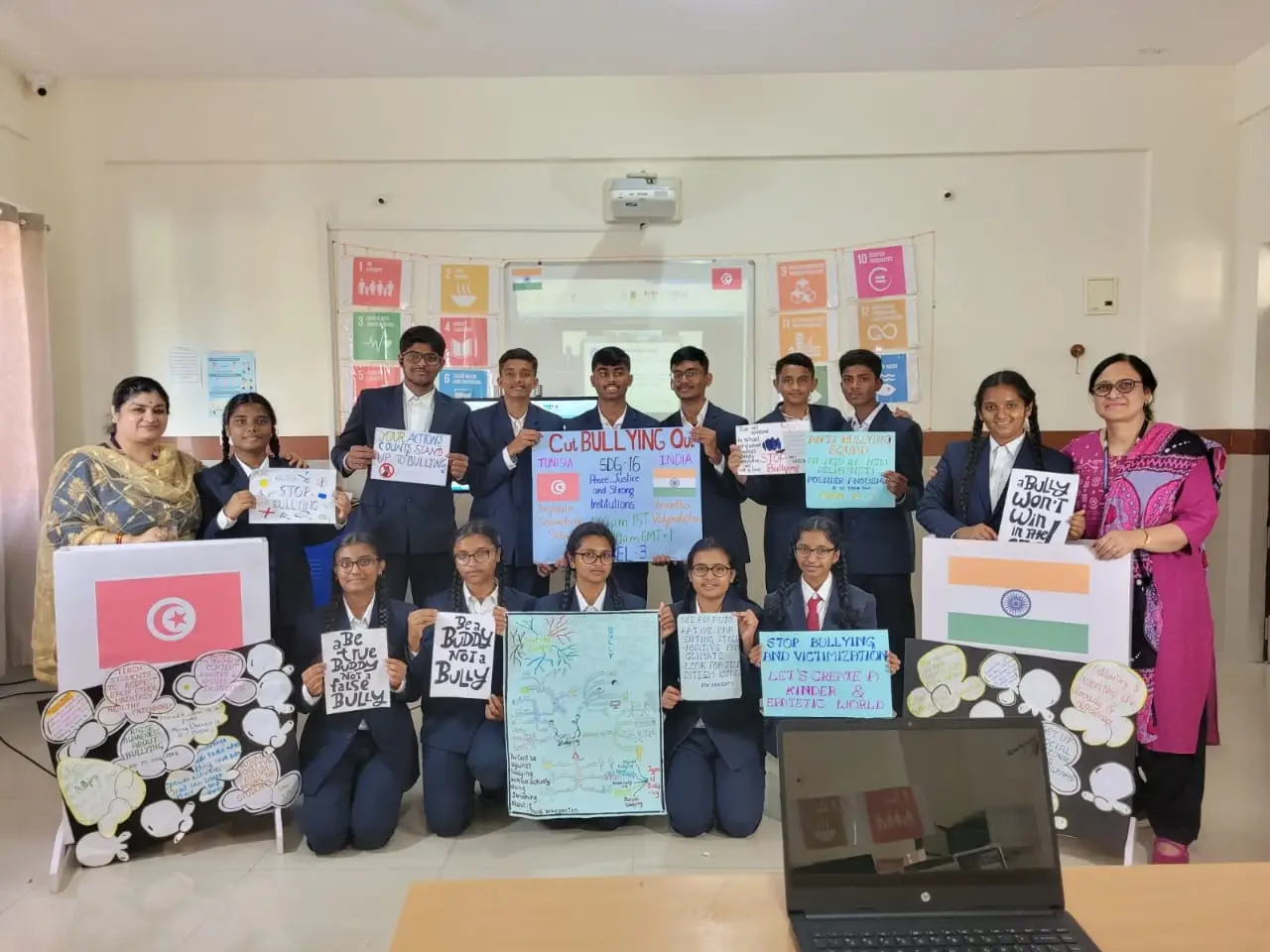
A first exchange can be simple: students introduce their class, share something about school life and ask a question. The partner class responds, and students reflect on what they noticed. Choose a contribution each class can complete with its lesson time and tools.
Budget student activity time and teacher preparation separately. Finding a partner, agreeing the plan, checking permissions and resources, and waiting for replies can take longer than the classroom activity. Allow time for both classes to prepare, contribute and respond, and choose a lesson allocation that fits your schools.
Robert O'Dowd's 2018 overview describes virtual exchange as structured interaction within educational programmes, with guidance from educators. Give your small task that structure: a purpose, a contribution from each class, a response and a reflection. UNESCO's 2015 learning-objectives guidance can help you connect the exchange to knowledge, attitudes and responsible action.
Sources
- O'Dowd, R. (2018). From telecollaboration to virtual exchange: state-of-the-art and the role of UNICollaboration in moving forward. Journal of Virtual Exchange, 1, 1-23.
- UNESCO. (2015). Global citizenship education: Topics and learning objectives.
- Class2Class. Questions from schools, DPOs and partners.
- Class2Class. Street Stories: A Global Gallery of Local Expression. Current project idea.
- Class2Class. K-pop Talk: Bridging Cultures Through Music. Finished project story.
- Class2Class. 4 classroom collaboration strategies across time zones.
- Class2Class. Start international collaboration with a partner classroom.
- Class2Class. Collaborative online international learning: what COIL means.
- Padlet. Board.
Choose a starting point with your partner teacher
Explore an idea that fits your class, then agree the response window, language support, communication rhythm, teacher responsibilities and first task. Keep the plan short enough to use, and review it together after the exchange.