Children's pen pals: how to find a safe pen pal for kids and teens
Start with a teacher-led classroom pen pal exchange. Partner teachers agree the audience, review class work and share it for students, who usually do not need accounts. Check contact rules, consent, privacy and reporting before the exchange begins.
See the six safety questionsLast updated

A classroom pen pal exchange gives students a real reader for their letters, drawings or recorded work. Start by connecting two teachers and agreeing how the classes will share. This guide helps teachers and parents check the safeguards and plan an exchange without making individual student accounts the starting point.
How to find a safe pen pal: six questions to ask
- Who runs the program? Look for a program that works through schools, with a responsible teacher on each side.
- Who can contact the child? Strangers should not be able to send a child private messages.
- Who reviews the work? Agree which teacher checks letters, images and recordings before sharing, who can see them and how concerns will be handled.
- What personal details are shared? Children should never share a home address, phone number, social media account or passwords.
- How is personal data protected? The program should explain how it stores and uses data and follow privacy laws such as the GDPR.
- How do you report a problem? There should be a clear and simple way for students and adults to report anything worrying.
Classroom pen pal programs vs open pen pal websites
Open pen pal websites and apps connect individuals directly. Classroom programs connect whole classes through their teachers. For children and younger teenagers, that difference matters.
Swipe horizontally to see all columns
| Question | Classroom pen pal program | Open pen pal website or app |
|---|---|---|
| Who makes the connection? | Two teachers connect their classes | Individual users find each other |
| Who can contact the child? | Class work shared with the agreed partner class; check any account contact settings separately | Other users of the site, depending on its settings |
| Who sees the messages? | Teachers review class work before sharing; confirm visibility for any other communication | Check each service's rules and settings; adult visibility varies |
| What is the purpose? | Learning goals planned by teachers | Friendship or language practice |
| Who is it for? | Primary and secondary students, with their teacher | Depends on each site's age rules |
How a classroom pen pal exchange works on Class2Class
On Class2Class, the primary exchange is between teachers and their classes. Students can prepare letters and work in class while the teacher shares the agreed work with the partner class. Students usually do not need their own accounts for this teacher-led approach. An exchange can run like this:
- The teacher signs up for free and explores partner teachers and project ideas.
- The two teachers agree a learning goal, suitable age groups, language, timetable and who will see the class work.
- Students prepare letters, drawings or recordings in class. Each teacher reviews the work and checks school sharing and consent arrangements.
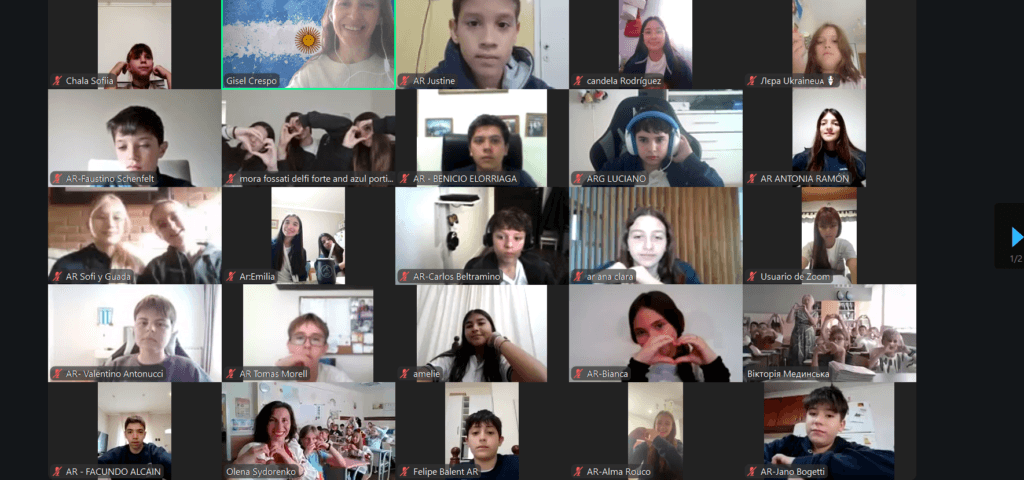
- Teachers share the agreed class work in the project workspace. Classes can exchange work at different times; a live call is optional and uses a video tool the teachers choose.
- The classes respond to each other and reflect on what they learned.
Student accounts are optional. If a teacher chooses to use them, students join through a valid teacher referral code and the signup process checks age and any required parental consent before granting access. Account-based contact rules are separate from the teacher-led exchange described here: check the current collaboration FAQ and safeguarding guidance before choosing that route. Agree how students can raise concerns with their teacher, and use the in-platform reporting route or contact support when needed.
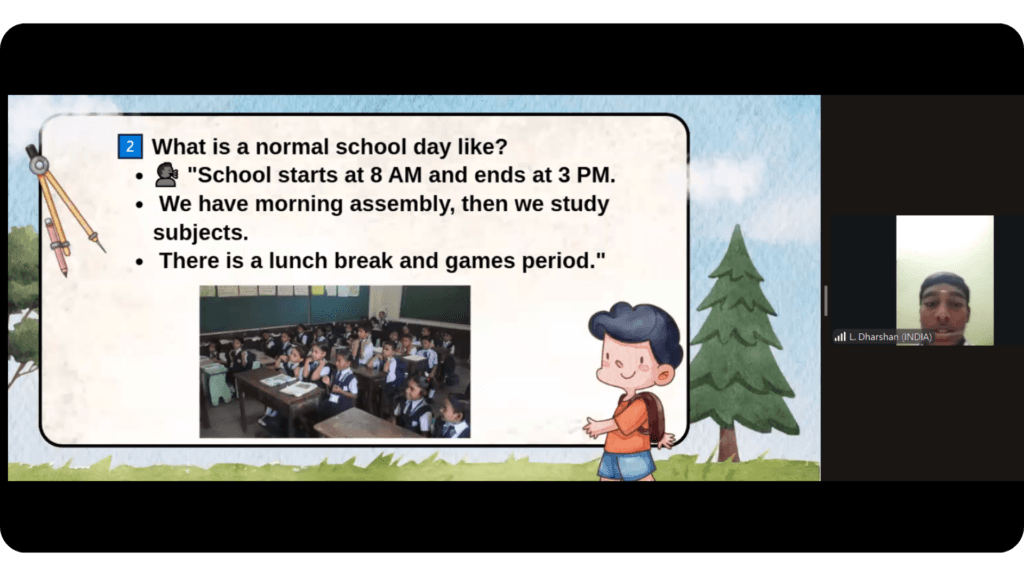
Pen pal ideas for elementary students
- All about me: a short letter about favourite books, pets or hobbies, with students choosing what to share.
- A day in my life: drawings or photos of an ordinary school day, following your school's photo rules.
- Local traditions: a short description of a festival, food or game from home.
- A travelling mascot: a soft toy or drawing that visits each class and reports back.
Projects for younger students

Pen pal programs for teens
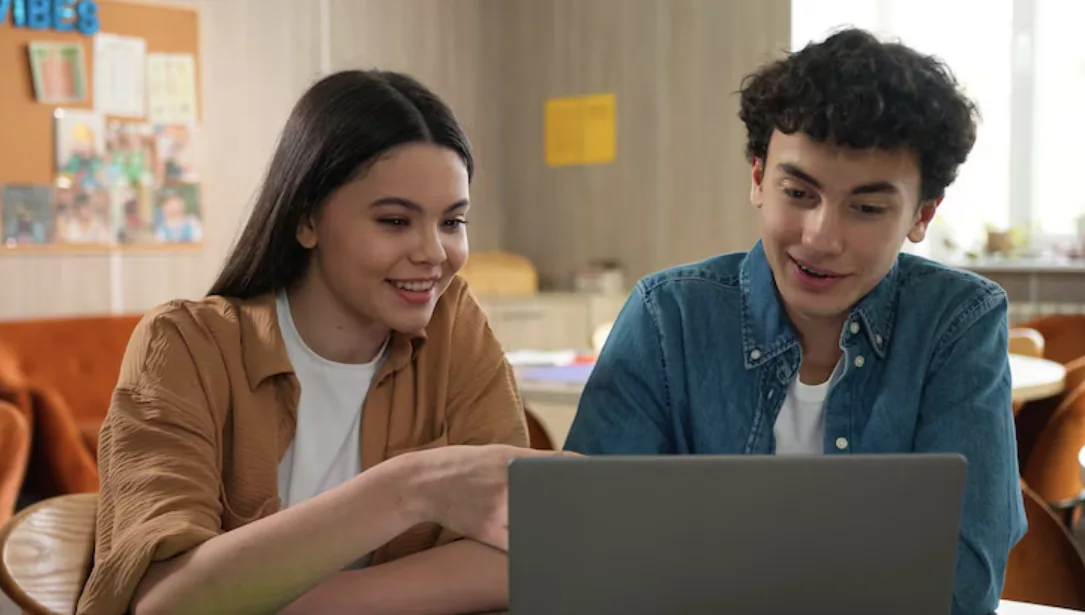
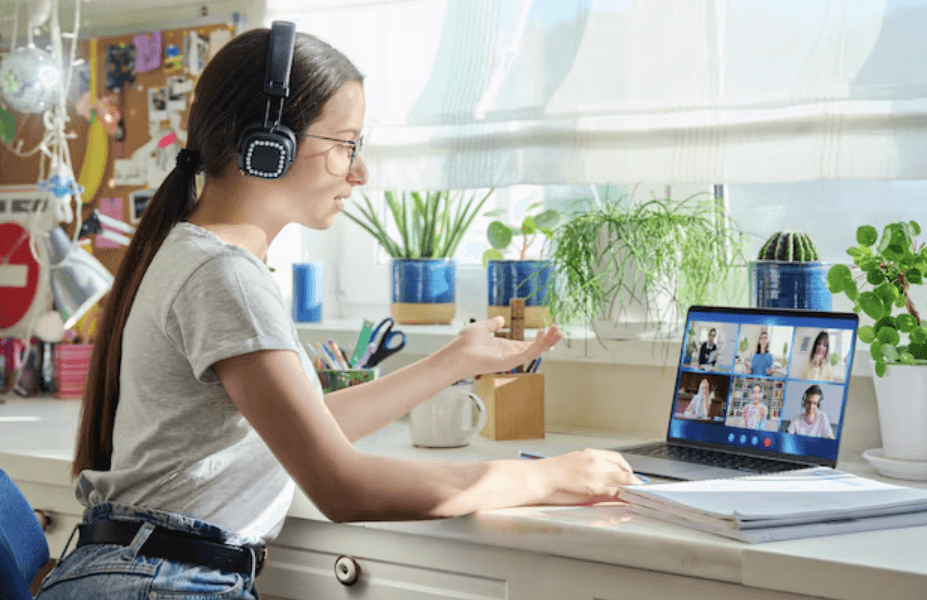
Teenagers often want more than small talk. Build the exchange around a topic they care about, such as online life, friendship or the future of school, and give it a real product, such as a podcast episode, a short video or a joint presentation.
Projects for teenagers
Safety rules to agree with your students
- Use first names only.
- Never share an address, phone number, social media account or password.
- Share exchange work only through the route agreed by both teachers.
- Be kind and respectful, even when you disagree.
- Tell your teacher straight away if something feels wrong.
Frequently asked questions
Is it safe for kids to have pen pals?
A teacher-led exchange can provide a clear adult review process. Before starting, agree who checks the work, who receives it, what personal details are excluded and how to report a concern. No service or exchange removes every risk.
How can my teenager find a pen pal safely?
Ask their school about a classroom exchange first. If your teenager uses a website or app, check its age rules together, keep personal details private and agree that they will tell you if anything feels wrong.
Can parents sign up their child to Class2Class?
Class2Class classroom exchanges start with a teacher. Parents can ask their child's teacher about joining a partner-class project. Students usually do not need accounts; if the teacher chooses student accounts, use the current teacher-referral and consent process.
Is Class2Class free?
Yes. Class2Class is free for teachers and students.
Start a safe exchange
If you are a teacher, choose a ready-made project and invite a partner class. If you are a parent, share this guide with your child's teacher and ask about a classroom exchange.