Student engagement strategies: give the work a purpose
Student engagement strategies can begin with a clear purpose: what students will learn, who will use their work and why the task matters. Ask about interests and participation barriers, choose a manageable output and plan feedback. A partner class can offer an audience and another perspective.
Last updated
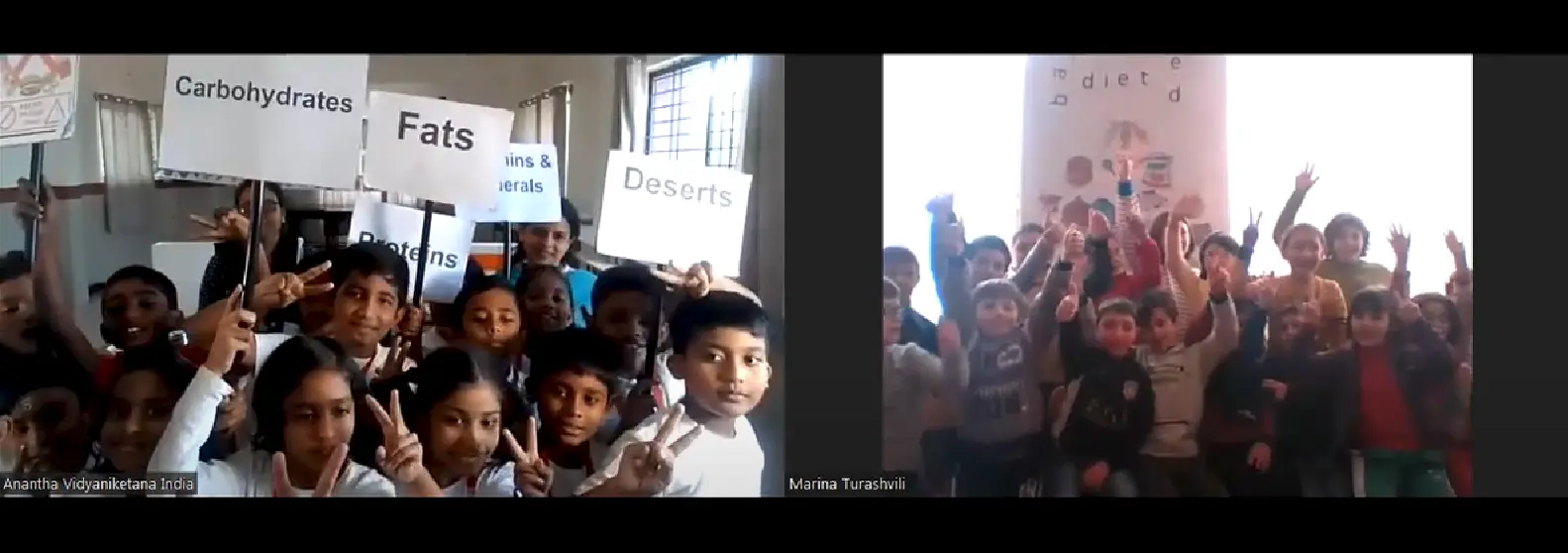
A student may complete a task while taking little part in its discussion. Before choosing another activity or tool, ask what they understand, what feels useful and what makes participation difficult. Then make the learning goal, audience and expected contribution clear.
Ask what students need to participate
Quiet participation can have several explanations: unclear instructions, difficult content, limited confidence, access needs or a task whose purpose is hard to see. Talk with students and look at their work. Use what you learn to choose a support or a small change to the lesson.
Explain how the task connects to something students can investigate, use or share. Revisit ideas through questions, practice and feedback, and ask students to explain what changed in their understanding.
Choose an audience that can respond
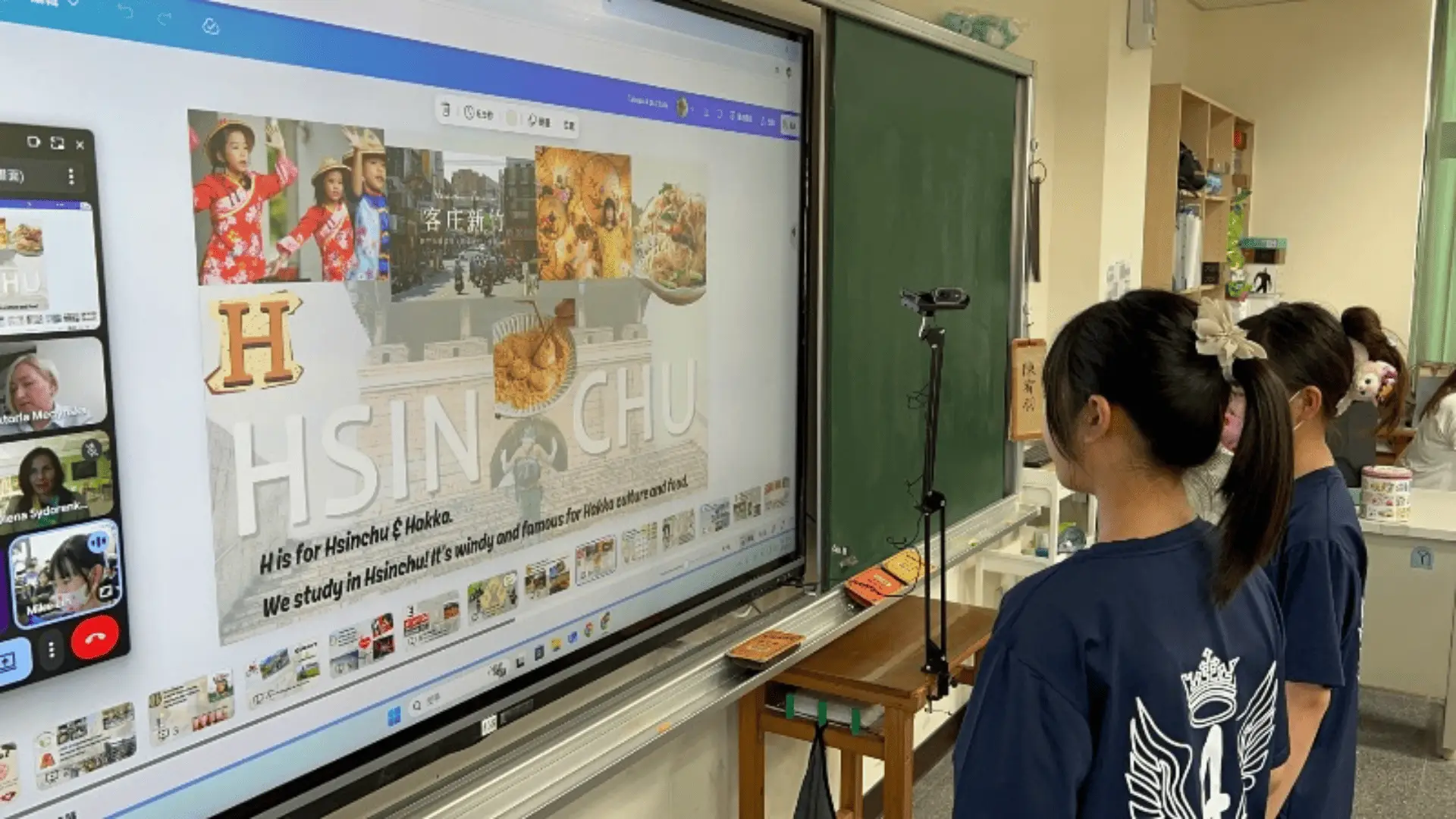
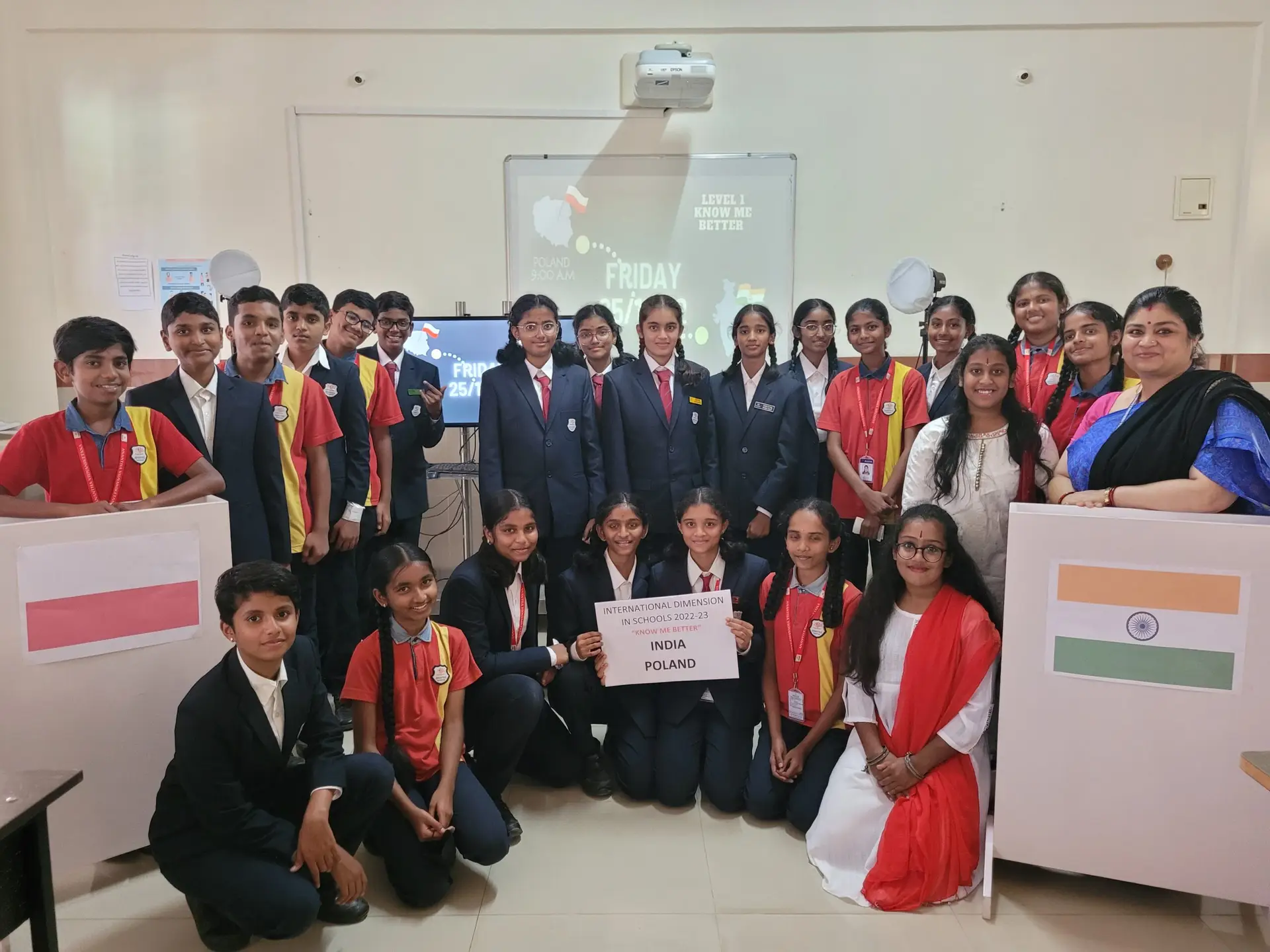
Give students a reason to communicate clearly. A partner class might read a draft, ask questions about a local observation or add information to a shared response. Tell students who the work is for and plan time to use the feedback.
A documented example: K-pop Talk
In K-pop Talk, Tr. Nassim Mia from Bangladesh organised a four-week international project around students' interest in Korean pop music. Students formed teams, chose songs and researched cultural and entertainment meaning, including the appeal of BTS and Blackpink. They shared research, performances and presentations with other classrooms while teachers guided the work.
The useful planning idea is to connect an interest with a subject question and a contribution for an audience. Ask what students need to learn to explain their choice, which sources they will use and how a partner can respond. Treat the story as an example to adapt for your class.
Chen and Yang's 2019 meta-analysis found a positive average effect of project-based learning on academic achievement across 30 eligible journal articles. It studied PBL compared with traditional instruction, rather than isolating international collaboration or this project. Use students' explanations and work to check learning in your own task.
Start with one manageable change
Choose a learning goal from an upcoming lesson and invite students to suggest a question or format. You can begin with a short introduction, an observation or a draft for another class to respond to. Agree the scope and response dates with the partner teacher.
- Name the knowledge students need and the audience for the work.
- Offer a small choice: a question, example, source or way to explain an idea.
- Teach the communication routine and provide language or access support.
- Ask the audience for one useful response, then give students time to revise.
- Check individual understanding and ask students what helped them participate.
Class2Class is free for teachers and students. Explore an idea and read its activities, age groups and stated duration. The Project Assistant suggests editable objectives, skills, activities and a timeline. Teachers find and contact partners through Connect, then agree the task and pace together.
For a starting theme, use the SDG Calendar to explore international days and project ideas, then choose one that serves your learning goal. Keep the task small enough to review before deciding whether to extend the exchange.
Sources
Chen, C. H., and Yang, Y. C. (2019). Revisiting the effects of project-based learning on students' academic achievement: A meta-analysis investigating moderators. Educational Research Review, 26, 71-81.
Richards, B. A., and Frankland, P. W. (2017). The persistence and transience of memory. Neuron, 94(6), 1071-1084.
Class2Class. Why Students Forget What They Learn.
Class2Class. Global Collaboration in Action: K-pop in the Classroom.
Class2Class. Your First International Project in 4 Steps.
Class2Class. How to Use Global Project Templates.
Class2Class. Designing Global Projects.
Class2Class. SDG Calendar.
Frequently asked questions
How can I help more students take part?
Make the learning goal and expected contribution clear. Check access and support needs, offer a manageable choice and give students time to prepare. Use an audience that can respond to the work and plan time for feedback and revision.
Can we begin with a short exchange?
Yes. Agree one question and a small contribution with a partner teacher. Use a written or recorded response if that fits the class, then decide together whether to extend the work.
How can I check learning beyond participation?
Ask students to explain the ideas and evidence in their work and show a revision after feedback. Compare individual responses with the shared product to plan the next teaching step.
Explore a project for your class
Choose a topic your students want to understand and one output an audience can use. Explore a Class2Class project idea and adapt the first task with a partner teacher.