Cultural understanding: five ways to learn with another class
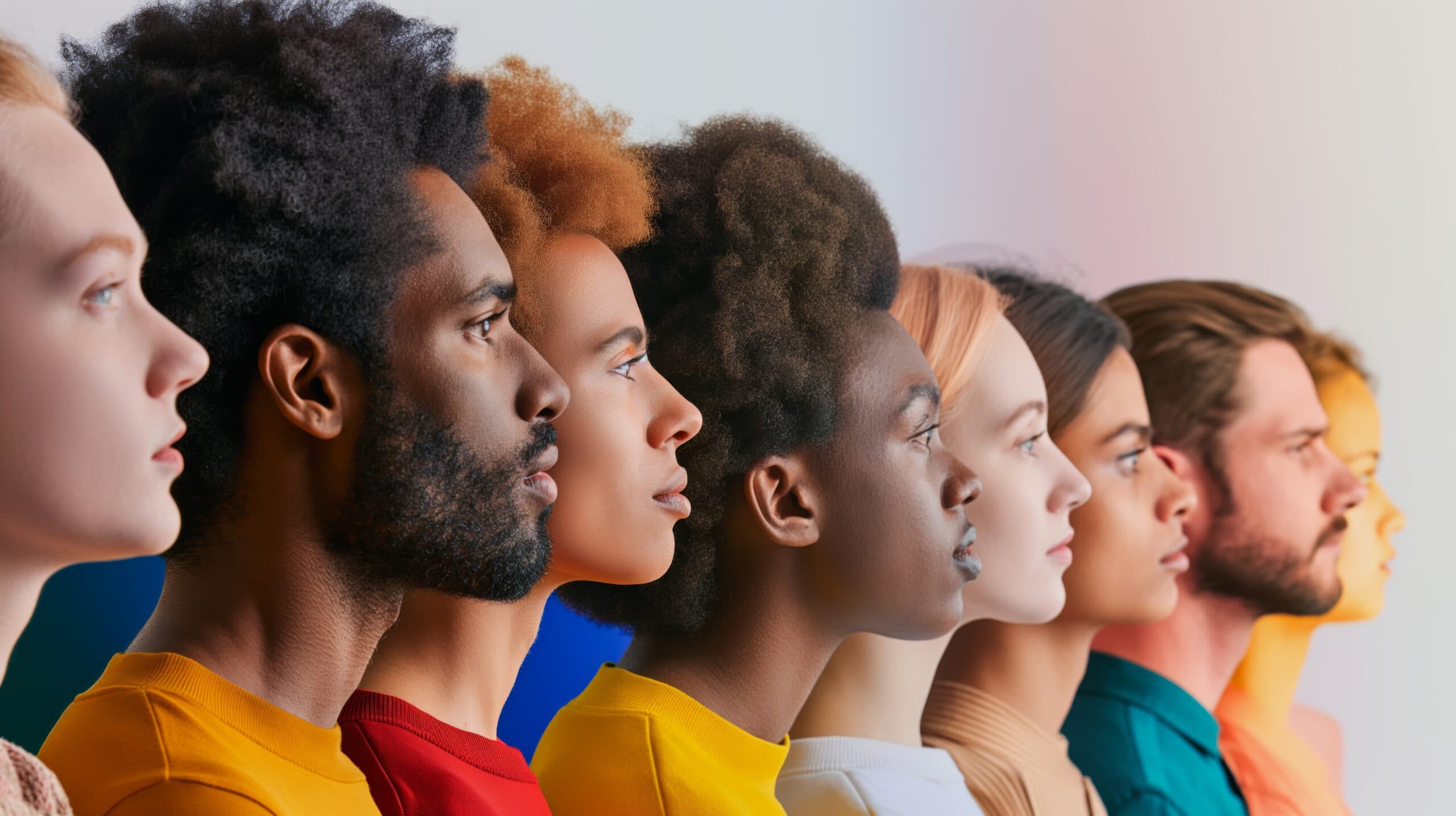
Cultural understanding means trying to understand how other people see and experience the world, without assuming one person represents a whole culture. Teachers can support it through respectful questions, shared local examples and tasks that let students compare perspectives with another class.
Last updated
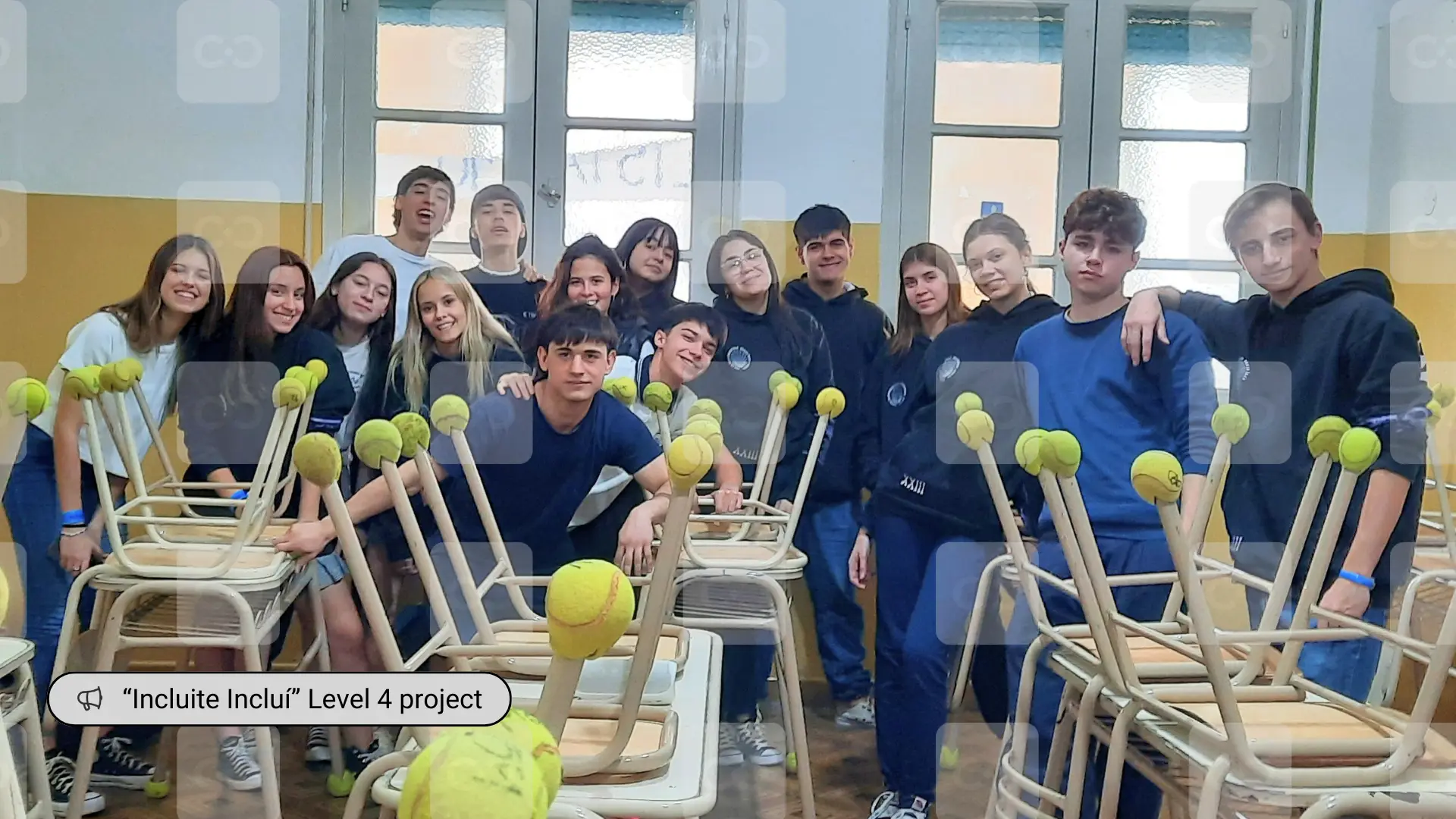
Begin with a question students can answer from experience, such as what makes a school day welcoming. Let them share, listen and ask follow-up questions. Differences within each classroom matter as much as differences between countries.
1. Ask and listen across classrooms
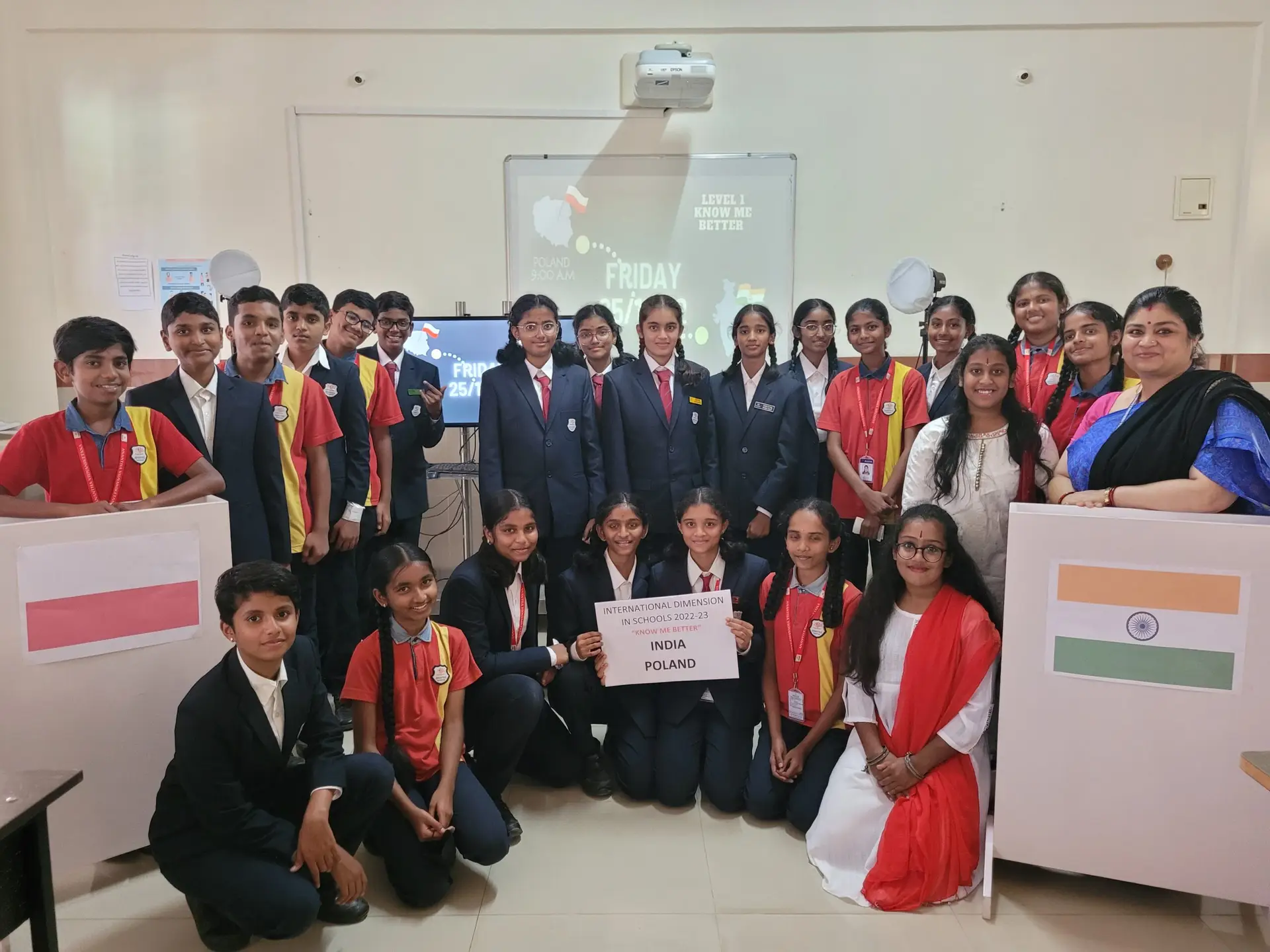
Class2Class connects teachers for shared international work. Start with an exchange of questions, drawings or short teacher-managed messages. Live conversations are optional; classes can respond during their own lessons.
Ask a question that invites more than one answer: "What would you like a visitor to understand about your school?" Students can choose what they share. Practise responding with "What do you mean by...?" or "Is it the same for everyone?" rather than judging the answer.
2. Compare a local question through an SDG
For SDG 13, Climate Action, each class could describe a local weather or environmental concern, show a source and ask how the other community experiences it. Compare observations and missing information before discussing a possible response.
A shared global issue may look different in each place. Ask students to explain one similarity, one difference and a question they still have. Avoid assuming that geography or culture alone explains every difference.
3. Choose material with more than one perspective
Use the Class2Class resources hub to find practical teacher guidance, then select sources that fit your question. For traditions, language, school life, art or music, use material created by people from the context you are discussing where possible.
Compare who made each source, what it shows and whose perspective is missing. Let students ask questions about the material. No image, story or class visit can describe an entire culture.
4. Make something that needs both classes
- Create a small digital magazine about an environmental question in each community. Exchange drafts and ask each class to improve one section.
- Make a multilingual storybook. Each class contributes a scene and explains a word or detail the partner class may not know.
- Design a classroom awareness campaign about a shared concern. Agree the audience and combine examples from both places.
Students can practise teamwork, communication and digital skills as they make decisions together. Check how they listen, use feedback and explain a partner's perspective. A finished product alone does not show what each student understood.
5. Reflect on understanding and your teaching
Ask students what they first assumed, what another class helped them notice and which question they would now ask. Teachers can compare those responses and keep a brief note about what to change in the next exchange.
Class2Class publishes a review process for completed projects and verified collaboration certificates. Keep recognition of participation alongside your own reflection on what students understood.
Frequently asked questions
Do students need to speak the same first language?
No. Begin with simple questions, pictures and short sentences. Agree a language and support with the partner teacher, and allow time to check meaning.
Can we start without a live call?
Yes. Exchange a small piece of work or a question and respond during each class's own lesson. A live call can be added later if it is useful.
Explore classroom projects
Explore Class2Class project ideas and choose one to adapt for your class.