Choosing virtual exchange opportunities for your school
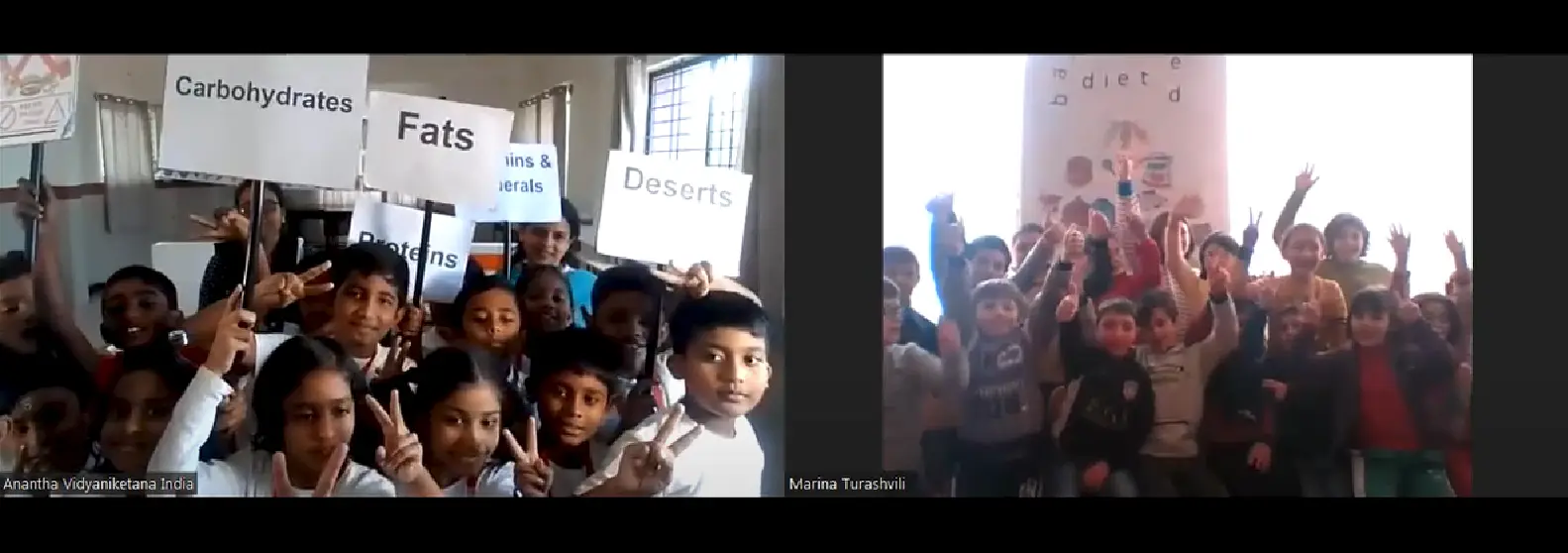
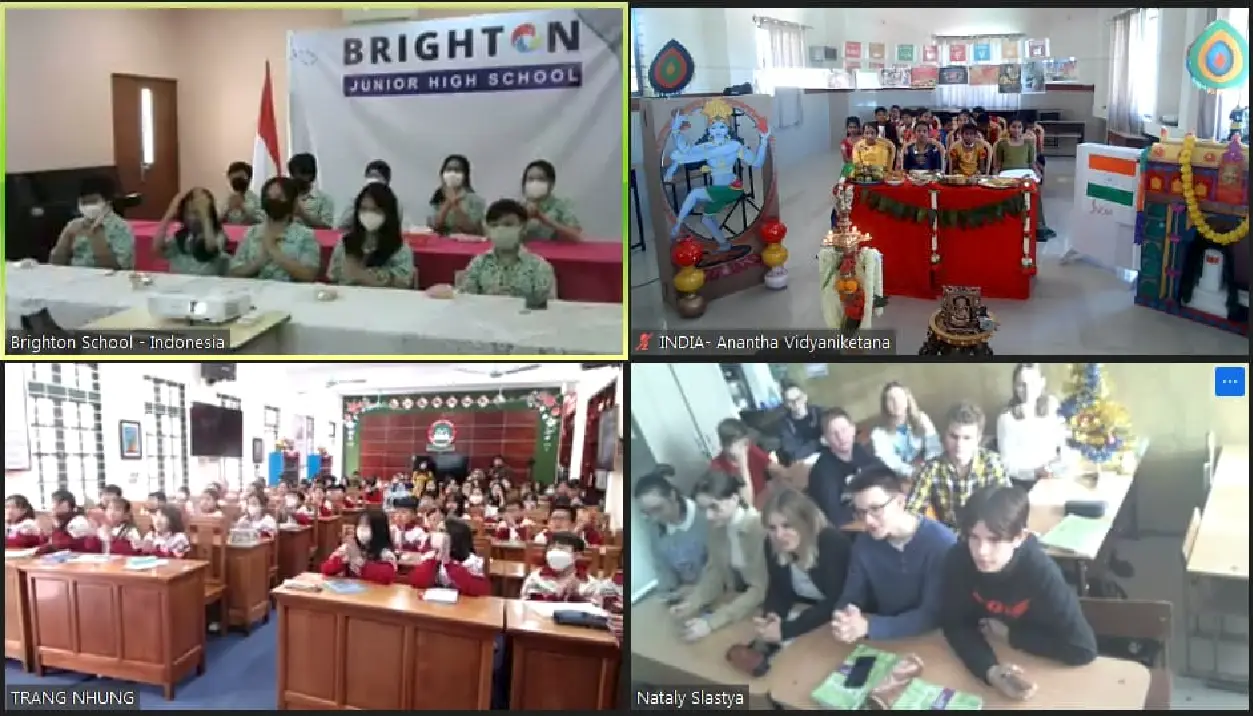
A school virtual exchange is a planned collaboration in which pupils learn with a partner class online. Start by checking who can join, what each class will contribute and who will supervise the work. Choose a small pilot that both schools can staff and timetable.
Last updated
Start with a school decision
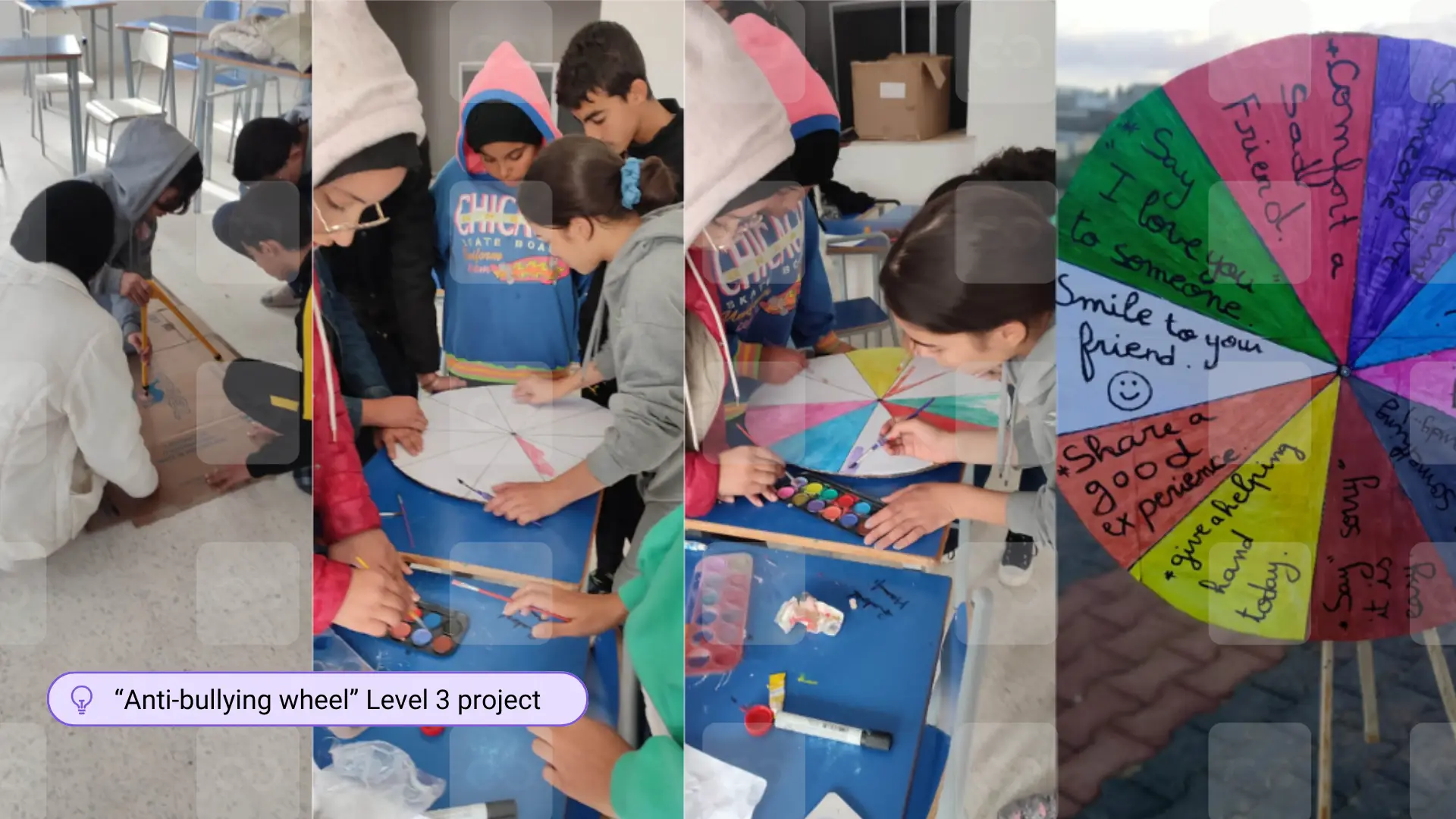
Name a lead teacher and a backup in each school. Then agree one curriculum goal and one shared outcome pupils can complete in the time available. A useful pilot has a point at which each class reads, hears or sees the other class's work and responds to it.
Compare three virtual exchange programmes
- Class2Class fits a teacher-led exchange built around a shared project. A teacher can create or join a project and connect with another teacher. Classes can exchange work asynchronously, and teachers can arrange an optional live call. Start by checking the age range, working language and your school's supervision arrangements.
- eTwinning is a route for school staff in participating countries. Check country and staff eligibility and allow time for validation by your National Support Organisation. Validated staff can run projects in TwinSpace. If your school is outside the usual eligibility route, a project invitation is a separate possibility to check with its organiser.
- iEARN suits schools looking to join an existing international project. Browse the project descriptions for age range, dates and the expected contribution, then check membership and any local costs with the country coordinator. For a facilitated format, look at Learning Circles and confirm registration and session dates.
Use the provider links below to check eligibility and dates before you promise a place. Ask how the partner will be confirmed, what support is available and what the programme expects from both teachers.
Decide what your school can support
- People and supervision. Name both lead teachers, a backup and a school contact for concerns.
- Timetable and access. Agree a working language, response dates and an alternative if a call or a tool is unavailable.
- Permissions and sharing. Use each school's approval process. Agree who can see the work, what pupil information is needed and who checks material before it is sent.
- Costs and support. Confirm any fees, required tools and the provider contact. Check the support offered for the particular project.
- Learning evidence. Decide what pupils will produce together and what evidence both teachers will use to decide whether to repeat the exchange.
Pilot one exchange before expanding
For a two-week geography pilot, ask each class to share one captioned observation of how water is used at school. Teachers check the notes before exchanging them. Partners each ask one follow-up question, then the classes contribute one finding to a joint comparison. Meet live only if both schools can support it.
At the end, check whether pupils responded to partner evidence and whether both teachers could manage the workload. Use that review to decide whether to repeat the pilot, adjust it or try a longer project.
Make room for teacher learning
A partnership can give teachers a reason to compare lesson plans, discuss student work and try a new approach. Keep a brief record of what you changed and what you would repeat.
If professional development recognition matters to your school, check its requirements in advance. A project certificate and an accredited qualification serve different purposes; do not assume one will count as the other.
Sources
Choose a pilot your school can support
Shortlist one project, confirm eligibility, and ask the partner teacher to agree the first exchange and response date. Take that plan through your school's usual approval process.