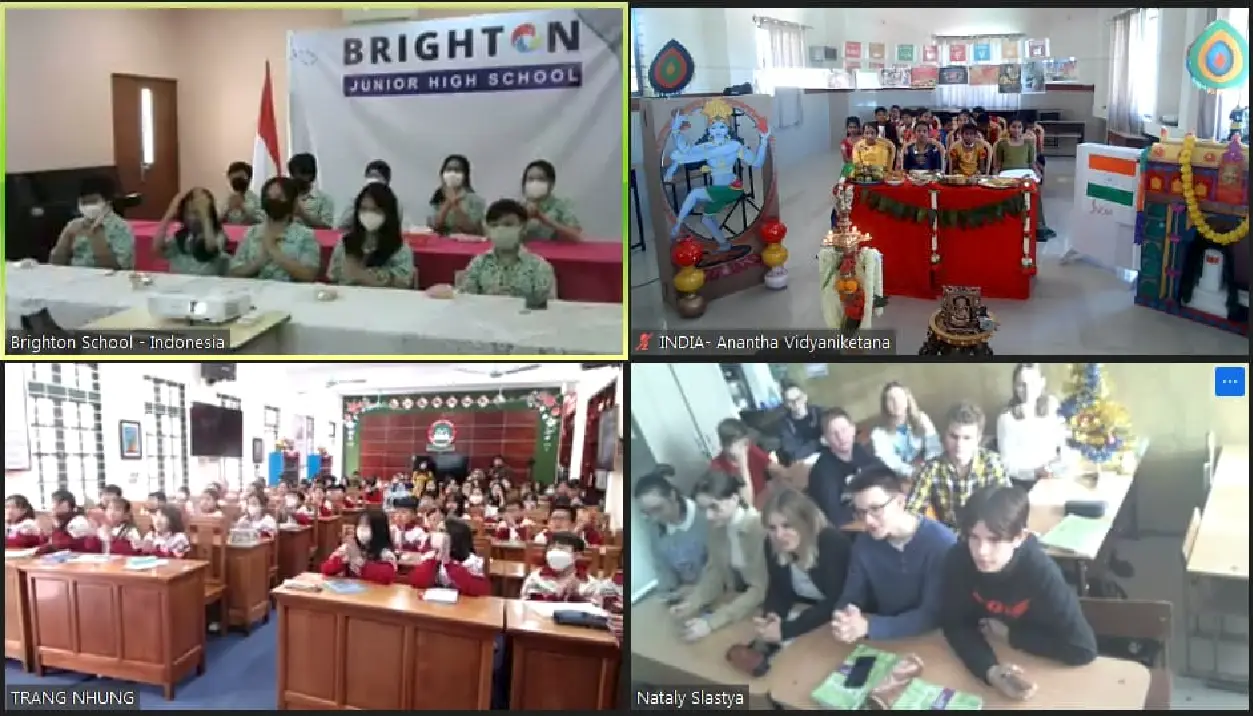
Little Clean Energy Inventors: a classroom project
Little Clean Energy Inventors is a four-week project idea for ages 6-8, 9-12 and 13-15, using English. Students explore renewable energy and responsible energy use, develop simple designs and share them with a partner class.
Last updated
Start with an energy question students can see
Which things in the classroom need energy, and where does that energy come from? Let students choose a familiar example, ask questions and sketch an idea that could help people use energy responsibly.
Little Clean Energy Inventors combines curiosity, problem-solving and global awareness. Students explore renewable energy through practical activities, then compare ideas with a partner class and develop simple prototypes.
Choose a small design challenge
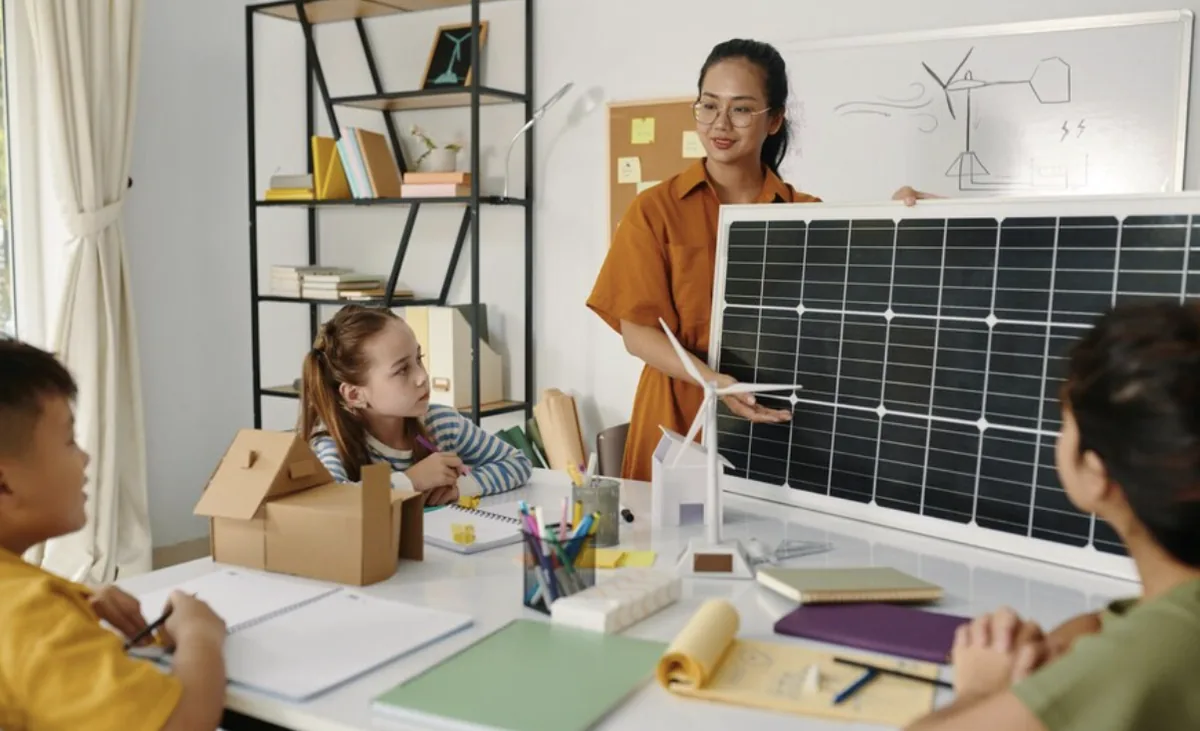
Start with a teacher-selected example of renewable energy, such as a solar panel or wind turbine. Ask students what the device does, which energy source it uses and what they still want to find out. A picture, model or teacher demonstration can support the discussion.
Choose a manageable challenge together: explain how a renewable-energy device works, or design a reminder for using classroom energy carefully. Label the purpose clearly so students can distinguish generating energy from using less of it. Paper, pencils and reused card are enough for a first model; any working electrical experiment needs teacher-selected equipment and supervision.
Build an idea over four weeks
This suggested sequence adapts the project idea. Teachers can change the activities, materials and pace to suit their classes.
- Week 1 - Notice and ask: identify everyday uses of energy and explore one renewable source through pictures or a teacher-led demonstration. Exchange a question with the partner class.
- Week 2 - Imagine a response: draw a device or a way to encourage responsible energy use. Label what the idea would do and who would use it.
- Week 3 - Make and compare: create a paper or card prototype. Share a drawing or photograph with an explanation and ask the other class what is clear or confusing.
- Week 4 - Improve and explain: revise one feature after feedback. Show the first and final versions and explain why the design changed.
Younger students can draw and dictate a short explanation. Older students can compare two possible designs and explain a trade-off. Supply a few shared words and sentence starters so English supports the task rather than becoming a barrier to taking part.
Ask students to explain their design choices
A useful final exchange shows how an idea changed, as well as the finished drawing or model.
- Can students name the energy source or behaviour their idea addresses?
- Can they explain what their prototype represents and what it has not tested?
- Did they use a specific question or suggestion from their partners?
Use Clean Energy Day as a sharing point
The International Day of Clean Energy falls on January 26. You could use it to share students' designs or begin a discussion about energy choices, then continue the project at a pace that suits both schools.
Sources
- Class2Class. Little Clean Energy Inventors.
- UNEP. International Day of Clean Energy.
- Class2Class. Teacher collaboration tools: coordinate an international project.
Agree one design challenge
Explore the Little Clean Energy Inventors idea above. With your partner teacher, choose one question, the materials both classes can use and the first thing students will share. Keep the prototype simple enough to improve after feedback.