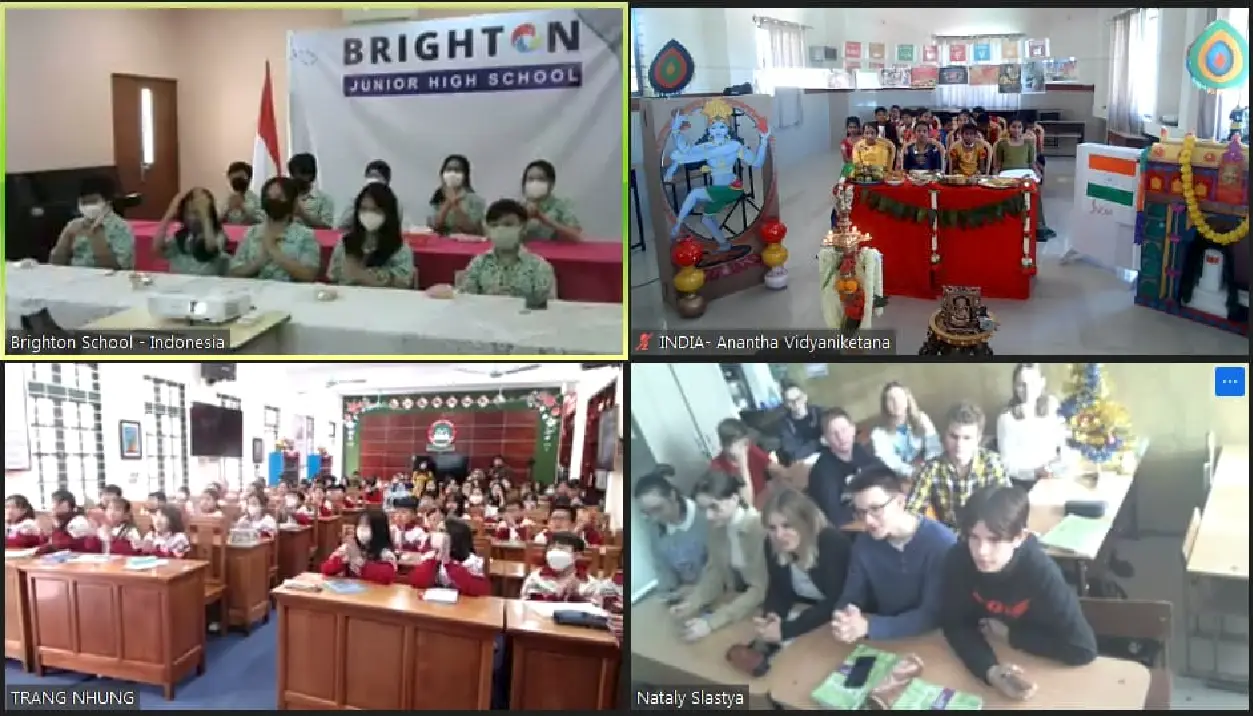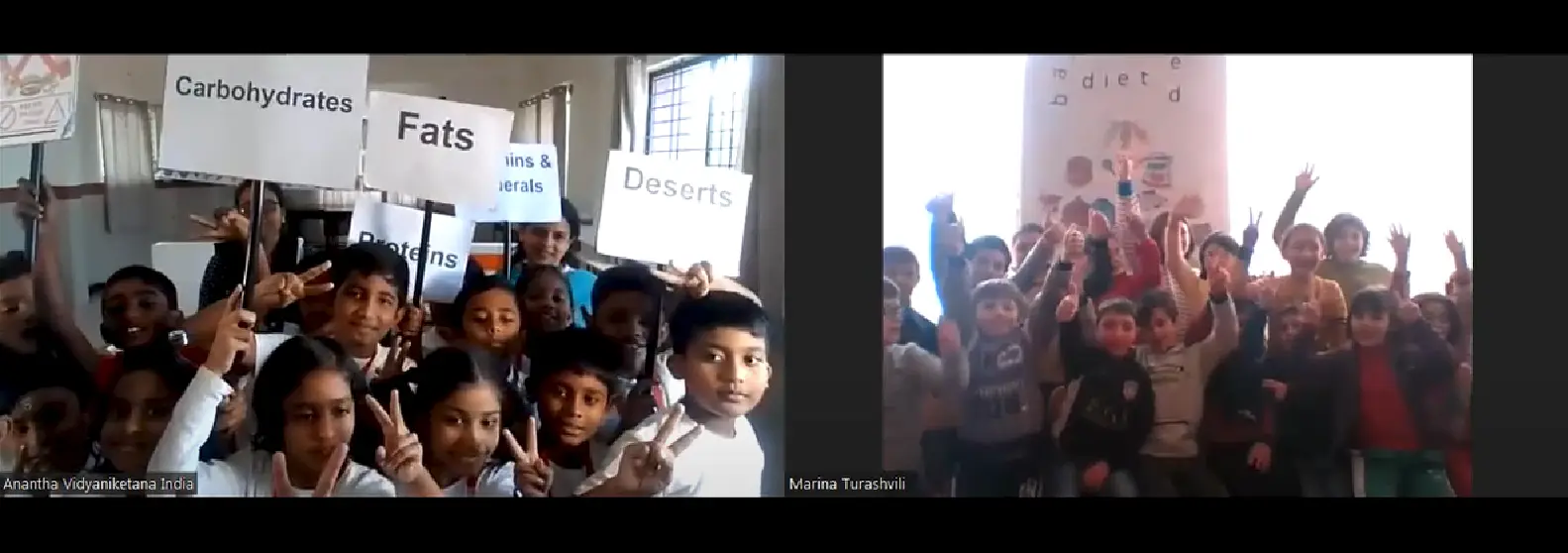
Online international classroom partnerships
An online international classroom partnership connects two classes around shared learning. Start with one curriculum question, agree a small task and a way to exchange work, then give students time to respond. Keep a regular teacher check-in so the partnership can continue at a pace both classes can manage.
Last updated
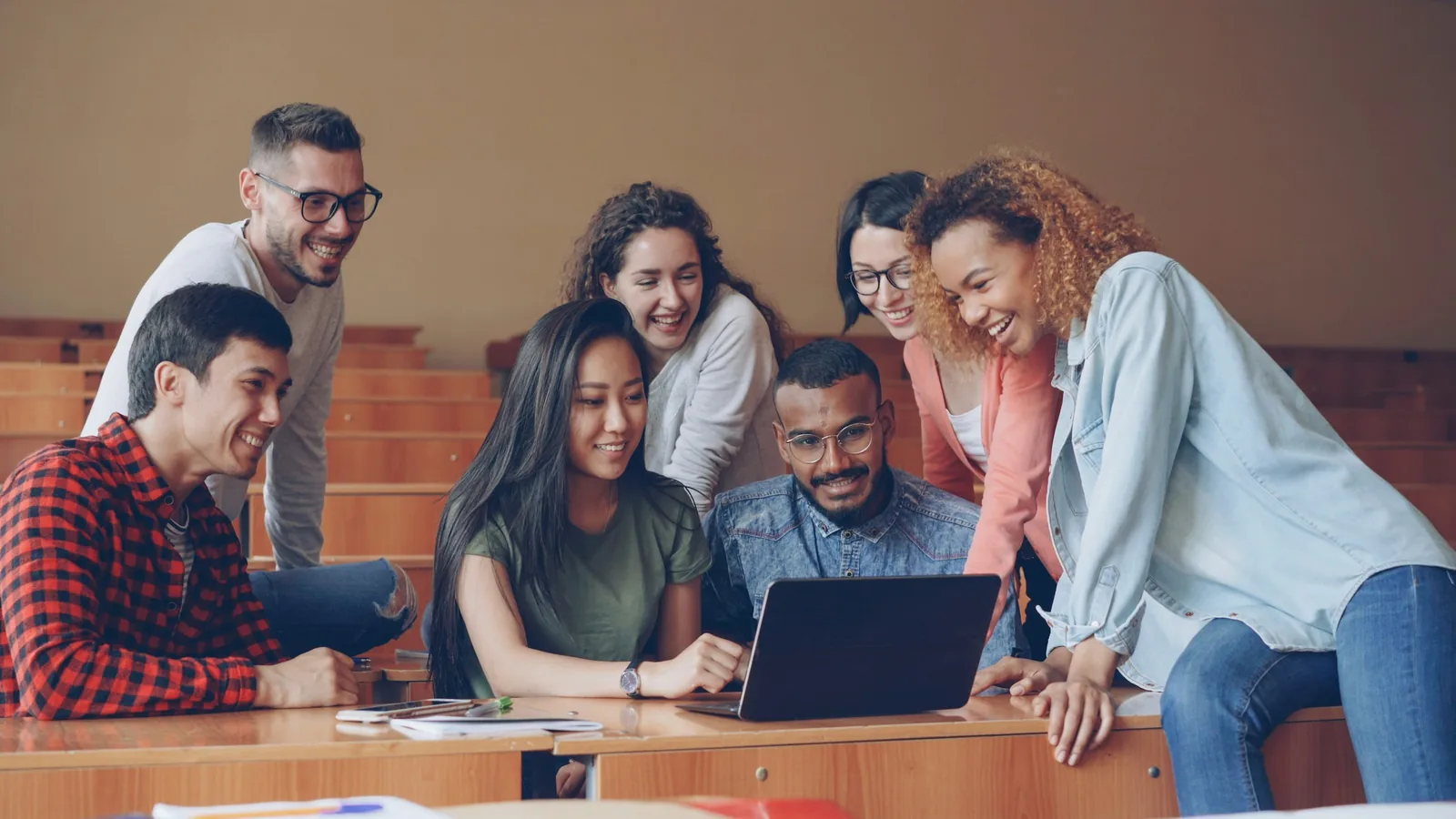
Build an international classroom partnership around shared learning
The connection gives students an audience beyond their own classroom. A first introduction can lead to a shared investigation, a bilingual story or a joint presentation. Choose something both classes are already learning rather than adding a separate topic to an already full timetable.
- Agree one learning goal and a contribution each class can make.
- Choose a language, a place to share work and realistic reply dates around both school calendars.
- Plan how students will use the other class's ideas, not just send their own work.
- Check technology access and school sharing arrangements before students begin. After the exchange, decide together what to continue or change.
For a first introduction, the International Classroom Connection article offers a starting point. The five areas below show what you can build on as the relationship develops.
Explore cultural understanding and global citizenship
When students interact with peers from different countries, they can hear different perspectives, traditions and ways of life directly. Give them time to ask questions and explain their own context, rather than treating one class as representative of a whole country.
Through Class2Class, your students can engage in collaborative projects with international partners, discussing topics ranging from local customs to global challenges. Shared goals give them opportunities to listen, question stereotypes and practise respectful communication.
UNESCO's Global citizenship and peace education resources connect this learning with knowledge, skills and attitudes that support empathy, respect and a shared sense of belonging.
Give language practice a real audience
For language learners, online international classroom partnerships provide an opportunity to use the language for a clear purpose. Whether students are learning a new language or practising English, a partner class gives them someone to explain an idea to and a reason to ask a question.
Your students might collaborate on a bilingual storytelling project, share a prepared presentation or ask short questions during a teacher-arranged meeting. Agree the language and the support students need with your partner teacher. Both classes can be language learners; the exchange does not depend on finding native speakers.
Practise digital skills, communication and collaboration
As students collaborate on projects with peers from different countries, they can practise digital literacy, critical thinking, problem-solving, communication and collaboration. Give each student a clear role and look at how they contribute, respond to feedback and use information.
For example, in an SDG-aligned project, students might use digital tools to collaborate on research, analyse information from different sources and work together to develop a response to a global challenge. The task gives the tools a purpose.
The guide Collaboration tools for students: choose tools for shared work helps you select tools for writing, exchanging ideas, organising tasks and creating a shared product.
Bring global perspectives to curriculum topics
Whether you are teaching history, science, literature or another subject, international partners bring another perspective to the topic. Keep the shared question connected to what both classes need to learn.
For instance, when studying climate change, your students could compare local environmental challenges with those faced by their partners in different parts of the world. In literature classes, they might explore how the same story is interpreted across cultures.
A shared activity for World Environment Day can also begin a conversation about local environmental questions. Class2Class offers SDG-aligned project ideas; check the activities and agree with your partner teacher what fits each class's curriculum.
Learn with your partner teacher
Online international classroom partnerships also offer opportunities for teacher professional learning. By collaborating with educators from around the world, you can exchange teaching strategies, gain fresh perspectives on educational challenges and build your own intercultural understanding.
On Class2Class, teachers find and connect with each other through Connect, considering subjects, age groups, language, interests and availability. A regular check-in gives you time to compare student work, share what was difficult and adjust the next activity together.
Classes can exchange work at different times, so live meetings are optional. If a live meeting is useful, the teachers choose and schedule the video tool. Class2Class is free for teachers and students; the official FAQ explains the current collaboration process.
Sources
- UNESCO. Global citizenship and peace education.
- Class2Class. Questions from schools, DPOs and partners.
Frequently asked questions
How is a partnership different from a one-off classroom call?
A partnership gives the classes a continuing learning purpose. They return to a shared question, respond to each other's work and agree what to do next. An introductory call can begin that relationship.
Do the classes have to meet at the same time?
No. Classes can share work and respond during their own lessons. Agree reply dates with the partner teacher. A live meeting is optional when both school schedules allow it.
Choose a shared question with a partner class
Explore Class2Class project ideas for a topic your class is already studying. Choose a manageable task, then agree with a partner teacher how both classes will contribute, respond and decide what to do next.