Global collaboration in education: what it is and how it works
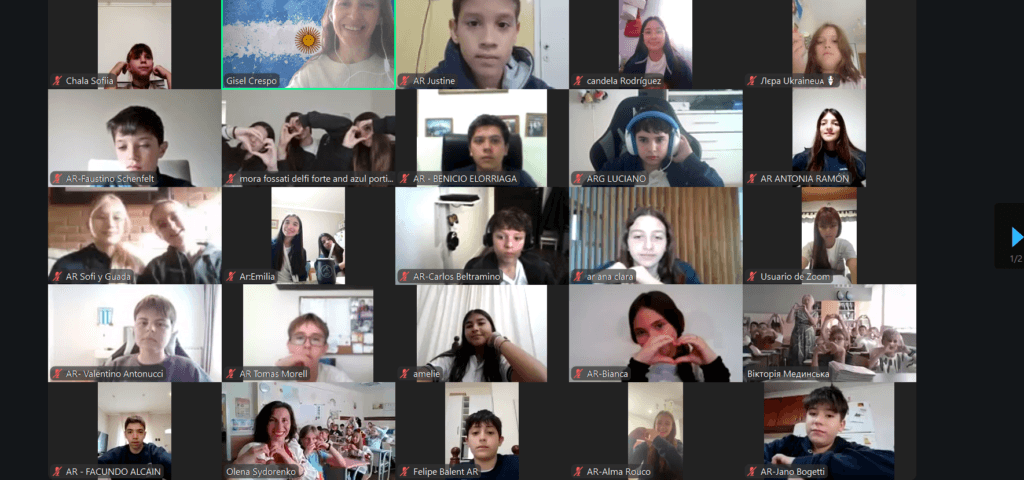
Global collaboration in education means two or more classes in different countries working together on a shared learning goal. Students exchange ideas, explore a real-world issue and create something together, guided by their teachers. It expands your curriculum rather than replacing it.
See the five stepsLast updated
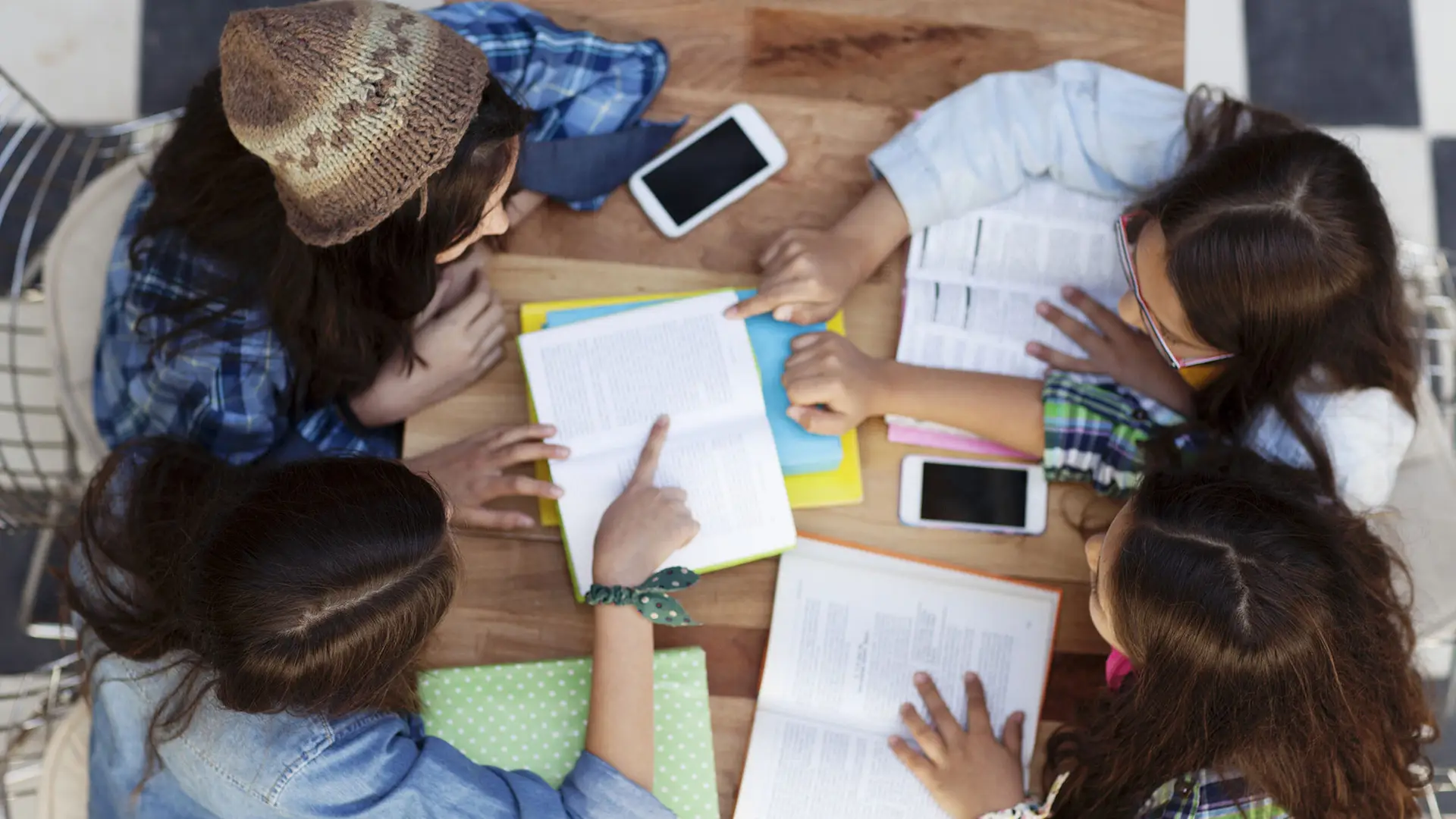
Global collaboration happens when two or more classrooms in different countries work together on a shared learning goal. Students exchange ideas, explore real-world issues and create something meaningful together, guided by their teachers. This guide explains what that looks like, why it helps students and how a first project usually runs.
What is global collaboration?
When classrooms connect across borders, learning changes. Students are not only learning about the world: they are learning with the world. They ask real people their own questions, compare answers with their own lives and build something together.
Global collaboration does not replace your curriculum. It expands it: a topic you already teach becomes a shared question with a partner class. The table shows what changes.
Swipe horizontally to see all columns
| What changes | Local classroom | Global classroom |
|---|---|---|
| Who students learn with | Classmates in one school | Classmates and peers in another country |
| Tasks | Done inside the class | Planned and done together with the partner class |
| Communication | Mostly teacher to student | Between students and teachers across borders |
| Results | Made by one class | Created together and shared with both classes |
Why global collaboration matters for students
When the collaboration is meaningful and well guided, students get regular practice in:
- Language: communicating with real peers, not only with the teacher.
- Cultural awareness: understanding how others see the same topic.
- Critical thinking: comparing ideas and solving problems together.
- Motivation: working for a real audience they care about.
- Global citizenship: working on challenges that affect both communities.
- Empathy and respect: getting to know people beyond stereotypes.
These are skills students practise, not guaranteed results. Plan how you will notice them in students' work, for example in the questions they ask and how they reply to their partners.
How global collaboration works: five steps
Most global collaborations follow a simple flow. It keeps a project focused, manageable and meaningful.
- Connect: you and your partner teacher meet, choose a topic and agree on a timeline.
- Introduce: students meet their partner class and explore the project theme.
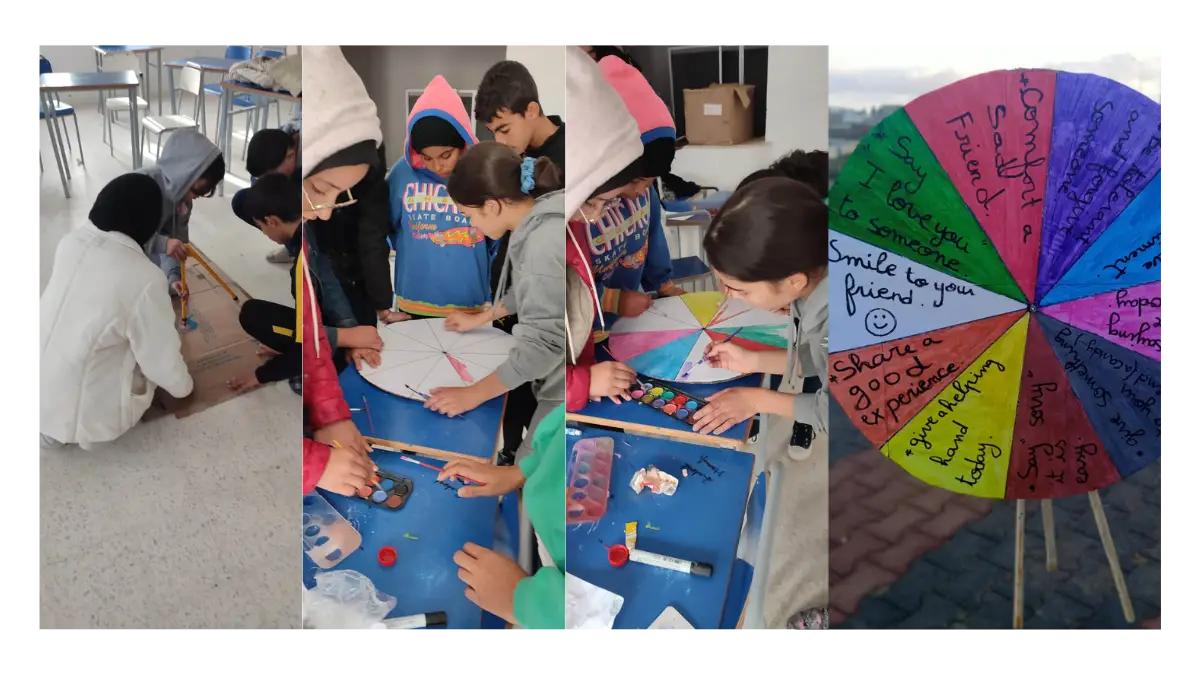
- Collaborate: both classes work together on shared activities and ideas.
- Reflect: students give each other feedback and talk about what they learned.
- Celebrate: teachers and students share the results and recognise the experience.
You do not need to meet live every week. Many classes post their work and reply in their own lesson time, which helps when you teach across time zones. To find a teacher for the first step, see how to find a partner classroom in another country.
Watch this short video to see how global collaboration works in real classrooms and how teachers guide their students.
Examples of global collaboration
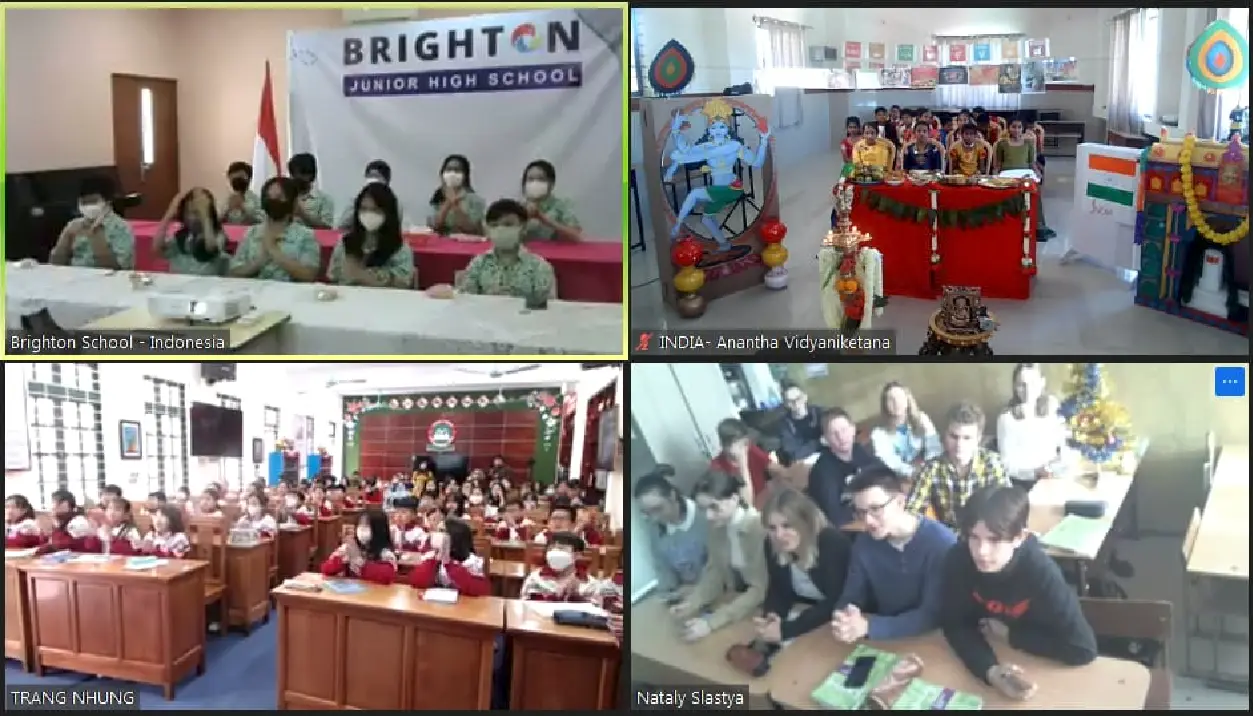
In the Free-Time Activities, Hobbies and Sport project, students aged 9 to 15 in Ukraine, Italy, India, the United States, Bangladesh and Turkey introduced themselves and presented their hobbies in live online meetings.
In K-pop Talk, a four-week project created by a teacher in Bangladesh, students from several countries researched their favourite K-pop songs and presented them to each other. In EarthSolvers, classes investigate a shared environmental issue with international peers and create one practical solution together.
You can also start from a ready-made project idea with a plan you adapt together with your partner teacher.
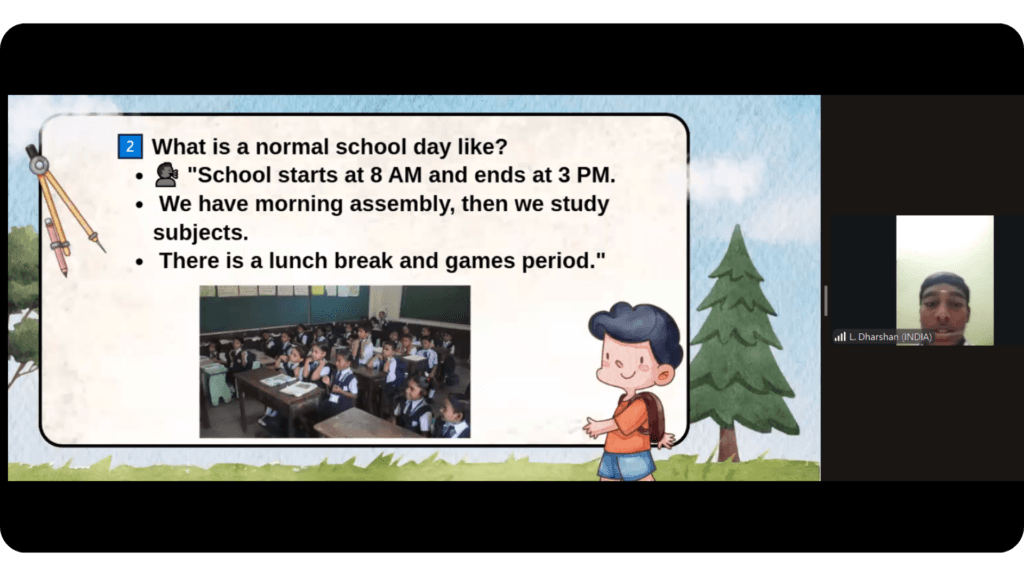 Project ideaMy School, Your School
- Age groups
- 6–8, 9–12, 13–15
- Duration
- 4 weeks
- Language
- English
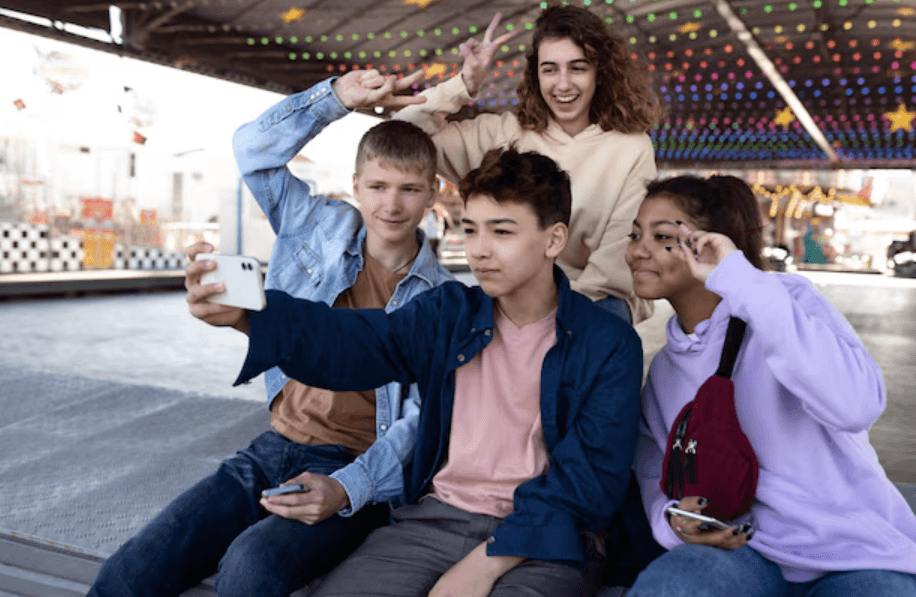 Project ideaFriendship around the world
- Age groups
- 6-8, 9-12, 13-15
- Duration
- 4 weeks
- Language
- English
 Project ideaCelebrating Cultural Diversity: A Journey of Discovery
- Age groups
- 13-15, 16-18, 18+
- Duration
- 4 weeks
- Language
- English
Frequently asked questions
What does global collaboration mean in education?
It means classes in different countries working together on a shared learning goal. Students exchange ideas, explore a real-world issue and create something together, guided by their teachers.
Do students need to speak the same language?
No. Agree on a shared language with your partner teacher, keep messages short and use pictures to support meaning. Different language levels are normal and give students a real reason to communicate clearly.
Do we need live video calls?
No. Classes can post work and reply in their own lesson time. Add a live call when your time zones allow it.
Is Class2Class free?
Yes. Class2Class is free for teachers and students.
Start your first global collaboration
Choose a project that fits your subject and your students' age, then find a partner class to run it with. Class2Class is free for teachers and students.