Tolerance Talks: a teen podcast project on inclusion
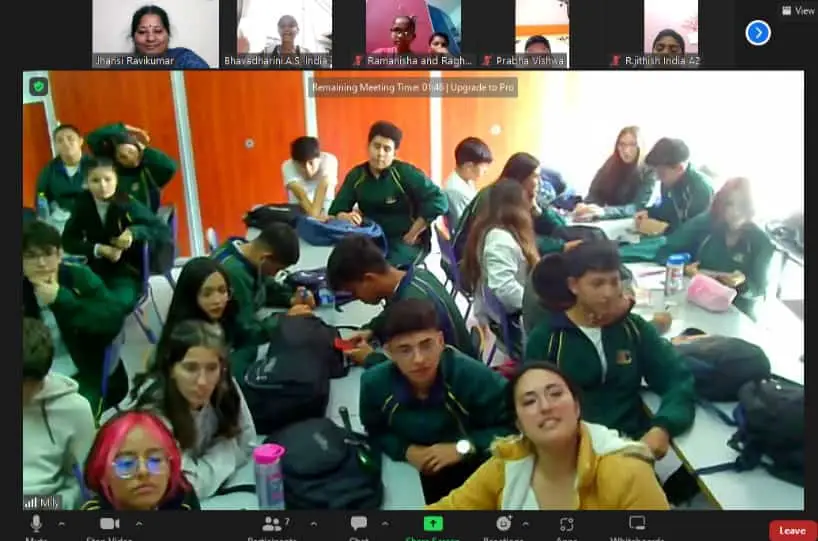
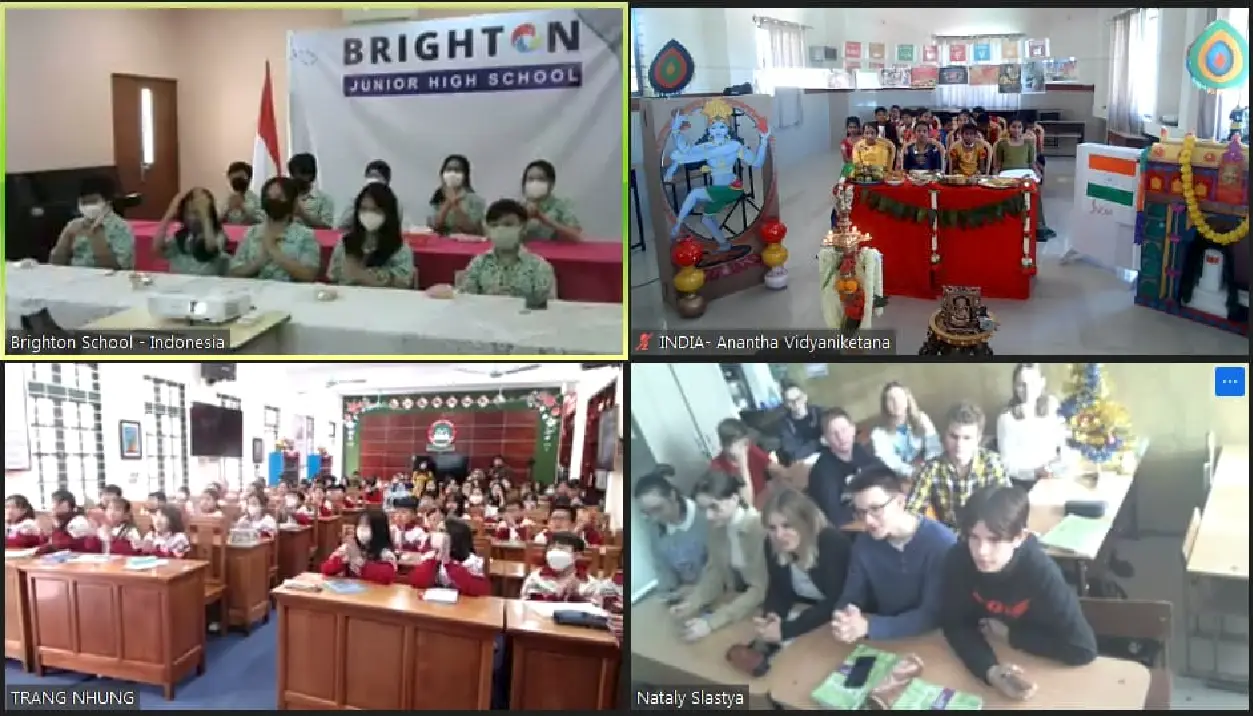
Tolerance Talks is a four-week project idea in English for ages 13-15, 16-18 and 18+. International teams explore tolerance, diversity and inclusion, conduct interviews and make podcast episodes that propose solutions. Adapt the plan with a partner teacher before students begin.
Last updated

Explore inclusion through student voices
What makes someone feel included at school? A podcast gives students a way to explore that question through research, careful interviews and ideas for change. In Tolerance Talks: Global Teen Podcast Challenge, international teams investigate tolerance, diversity and inclusion from a youth perspective.
Tolerance Talks uses design thinking: students identify an issue, listen to people, create podcast episodes and propose solutions. The intended work is a series students can share with a partner class, with time to respond to one another.
Agree the plan with a partner teacher
Read the idea together, then choose the question, audience and contribution each class will make. Agree your dates, students' language support and how you will exchange scripts and feedback. Teachers find and connect with each other through Class2Class; you can plan with a teacher you already know.
Before interviews or recording, agree who may take part, where recordings will be stored and who may hear them. Follow your school's recording and sharing rules. Personal sharing is optional; students can also contribute through research, script editing or production roles.
A suggested four-week sequence
Use this sequence as a starting plan and adjust it with your partner teacher. Choose a small issue students can investigate, such as what helps a new student feel welcome or how a group handles disagreement.
Week one: listen and choose an issue
Introduce the classes and agree discussion rules. Students compare examples of inclusion, gather questions and choose one issue both classes want to understand.
Week two: prepare and conduct interviews
Teams write open questions and check that they make no assumptions about a person or group. Teachers agree suitable interviewees and permissions. Students collect answers and discuss what they have learned.
Week three: draft a podcast episode
Choose the main message and a practical response to the issue. Share roles, write a short script and make a first recording. Exchange drafts with the partner class and ask what is clear and what needs more explanation.
Week four: revise, share and reflect
Use the feedback to improve the episode. Share it with the agreed audience after teacher review. Students reflect on how listening changed their ideas and what they would improve in another collaboration.
Look for careful listening and clear explanations
The task gives students opportunities to practise research, interviewing, storytelling, digital media production and collaboration. Look at how they frame a question, describe another perspective fairly, use evidence in the script and respond to feedback.
Preview resources for your class
Choose material that fits your students' age, language and learning question. The icebreaker guide offers short introductions and project warm-ups. Preview the reading list and videos before deciding what to use; the Spanish video may suit a bilingual discussion.
- Class2Class. Icebreakers for Virtual Classroom Success (PDF).
- World Literature Today. 12 Books for Tolerance and Understanding (2023).
- The Song Farm. T O L E R A N C E (song).
- Profe Denny. ¿Qué es la Tolerancia? (Spanish video).
You can connect the project with the International Day for Tolerance on November 16, or explore inclusion when it fits your curriculum. The International Day for Tolerance article offers the day's background and shorter classroom activities.
Sources
- Class2Class. Tolerance Talks: Global Teen Podcast Challenge (project idea).
- Class2Class. International Day for Tolerance: classroom activities for November 16.
- Class2Class. Questions from schools, DPOs and partners.
- Class2Class. How it works.
Frequently asked questions
What ages is Tolerance Talks designed for?
Tolerance Talks is designed for ages 13-15, 16-18 and 18+. Collaboration is in English. Choose a suitable issue and adapt the interviews and recording tasks to your students.
How long does the project take?
The idea is planned for four weeks. Agree dates and the size of the podcast task with your partner teacher; the suggested sequence above can be adapted to both school schedules.
Can I work with a teacher I already know?
Yes. Teachers find and connect with one another through Class2Class, then agree their shared project. A teacher you already know can be your partner; discuss the goal, dates and contributions together.
What if students are not confident in English?
Keep scripts short, prepare useful vocabulary and give students time to rehearse. They can contribute through research, interviewing, editing or production. Agree suitable language support with the partner teacher.
Is Class2Class free to use?
Yes. Class2Class is free for teachers and students. Preview external resources before using them, as their access conditions and content vary.
Start with one question and a shared audience
If you are new to Class2Class, How it works introduces the first steps. Explore project ideas, then choose a question and a manageable contribution for each class. Agree the plan with your partner teacher before you begin recording.