World Book Day: classroom activities for April 23
UNESCO World Book and Copyright Day is April 23. Students can exchange reading recommendations, create an original story inspired by a shared theme, or compare how books explore an SDG. Try a short task below or explore Stories for Change and Reading Without Borders.
Last updated
Share a story and discover a new perspective
Invite students to share a story they enjoy, explain an idea it explores and listen to a different reading perspective. A partner class can bring new books, languages and storytelling traditions into the conversation.
Explore two classroom projects
Choose a project idea
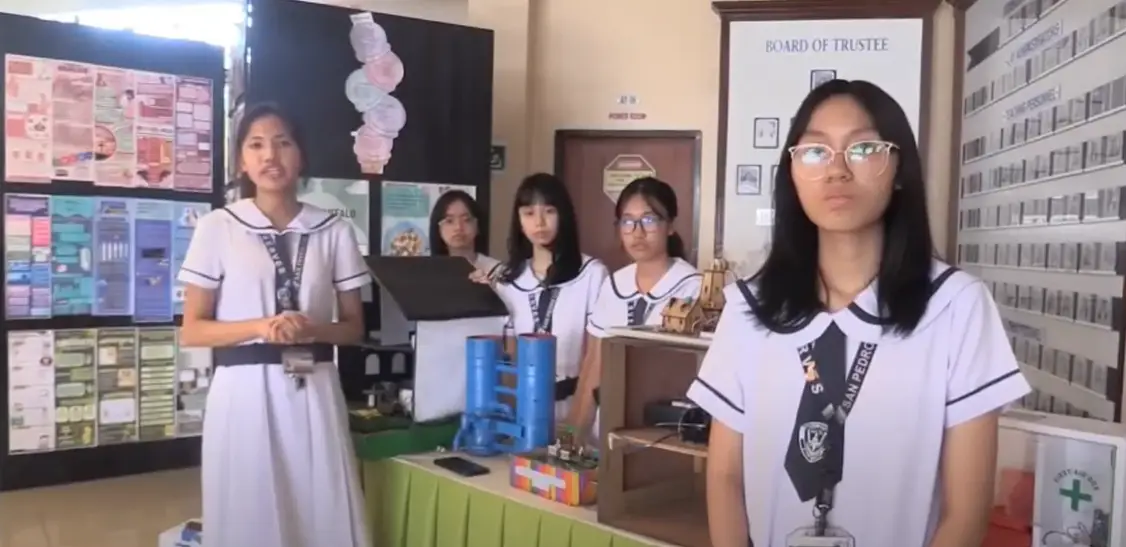
Stories for Change: Our Tales, Our World
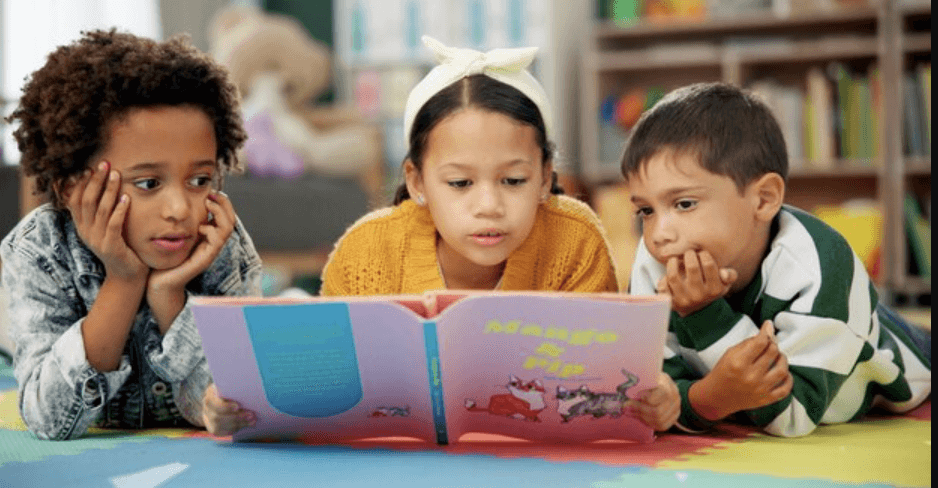
Stories for Change: Our Tales, Our World invites students to share favourite stories from their cultures and discuss the lessons they carry. With partners, students can add a character, plot twist or ending that connects a familiar tale with a sustainability theme. Choose a public-domain story, students' own writing or material your school is allowed to adapt, and credit its author. Compare how storytelling traditions approach the same idea, then co-create a collection of reimagined stories with short explanations of the changes.
Reading Without Borders
Reading Without Borders gives older students a way to connect literature with the Sustainable Development Goals. Each class can choose a book from its own literary traditions, research its context and explain how it explores justice, equity or sustainability. Partners discuss similarities and differences, using a passage or scene to support each interpretation. A joint presentation or creative response can bring the findings together. Students can end by proposing an action connected to the theme, while keeping the book's meaning open to thoughtful disagreement.
The public ideas show four-week plans and age groups. Teachers can adapt the tasks and agree a working language, dates and sharing plan. The short activities below are teaching suggestions, not extra requirements in those project records.
Two ways to share a reading response
Create a story with a changed choice
Suggested ages 6-12; allow 40 minutes. Use a teacher-selected public-domain tale or an original class story, paper and drawing materials. Identify one choice a character makes, then draw or write a new ending in which the character cares for a person or place. Share it with partners and ask how the change affects the story's message. Younger learners can dictate and illustrate; older learners can add a new character or plot twist. The outcome is a short story page with a reason for the change.
Compare a theme across two books
Suggested ages 13-18; allow two 40-minute lessons. Use school-approved books or brief excerpts, paper and a teacher-selected SDG description. Each class chooses a scene about fairness, education or the environment. Students record what happens, what the text suggests and the detail that supports their interpretation. Compare the two scenes with partners and create a joint slide or poster. Offer sentence starters for the evidence notes; extend the task by considering another interpretation. The outcome is a comparison that uses evidence from both texts.
Read and discuss the material your school is allowed to use. Share students' original responses and brief references to the books; credit authors and illustrators when presenting the work.
What to look for in students' work
- Communication and creativity: explain an interpretation or write a story for another reader.
- Critical thinking and research: connect a literary theme with an SDG using evidence from the text and its context.
- Global citizenship and intercultural understanding: ask about a different reading tradition without treating one book as a whole culture.
- Collaboration and teamwork: combine ideas in a shared story collection or presentation and respond to feedback.
Why April 23 matters
UNESCO's General Conference proclaimed April 23 World Book and Copyright Day in 1995. The official UNESCO page describes a celebration of books, reading and the work of authors. It brings together enjoyment of stories, access to literacy, publishing and respect for intellectual property.
SDG 4, quality education, connects access to books with opportunities to learn. Reading and discussing literature across classrooms can give students a concrete way to explore empathy, sustainability and global citizenship through different interpretations.
UNESCO named Rabat, Morocco, World Book Capital for 2026. Use that year-bound example to ask how libraries, authors and reading events can help more people access books.
The annual date stays the same. Check the official observance page before using a year-specific theme or campaign in your lesson.
Find more dates and classroom ideas in the SDG Calendar.
Frequently asked questions
Do both classes need to read the same book?
No. Each class can choose a different book and compare a shared theme. Agree the theme and a short response format with the partner teacher.
Can students write instead of giving a live presentation?
Yes. An illustrated story page, a written comparison or a recorded response can give partners something to read and discuss in their own lesson time.
How much time should I allow?
Allow 40 minutes for the suggested story task or two 40-minute lessons for the reading comparison. The two current public project ideas show four-week plans that teachers can schedule together.
Plan your classroom exchange
Choose one project idea, then agree a small task and a response window with a partner teacher.