World Chess Day: classroom activities for July 20
World Chess Day is July 20. Teachers can introduce piece movements, ask students to explain a move and practise respectful competition. Use a short chess activity first, then adapt Chess for Friendship or Checkmate for Peace with a partner classroom.
Last updated
Bring students together around a chessboard
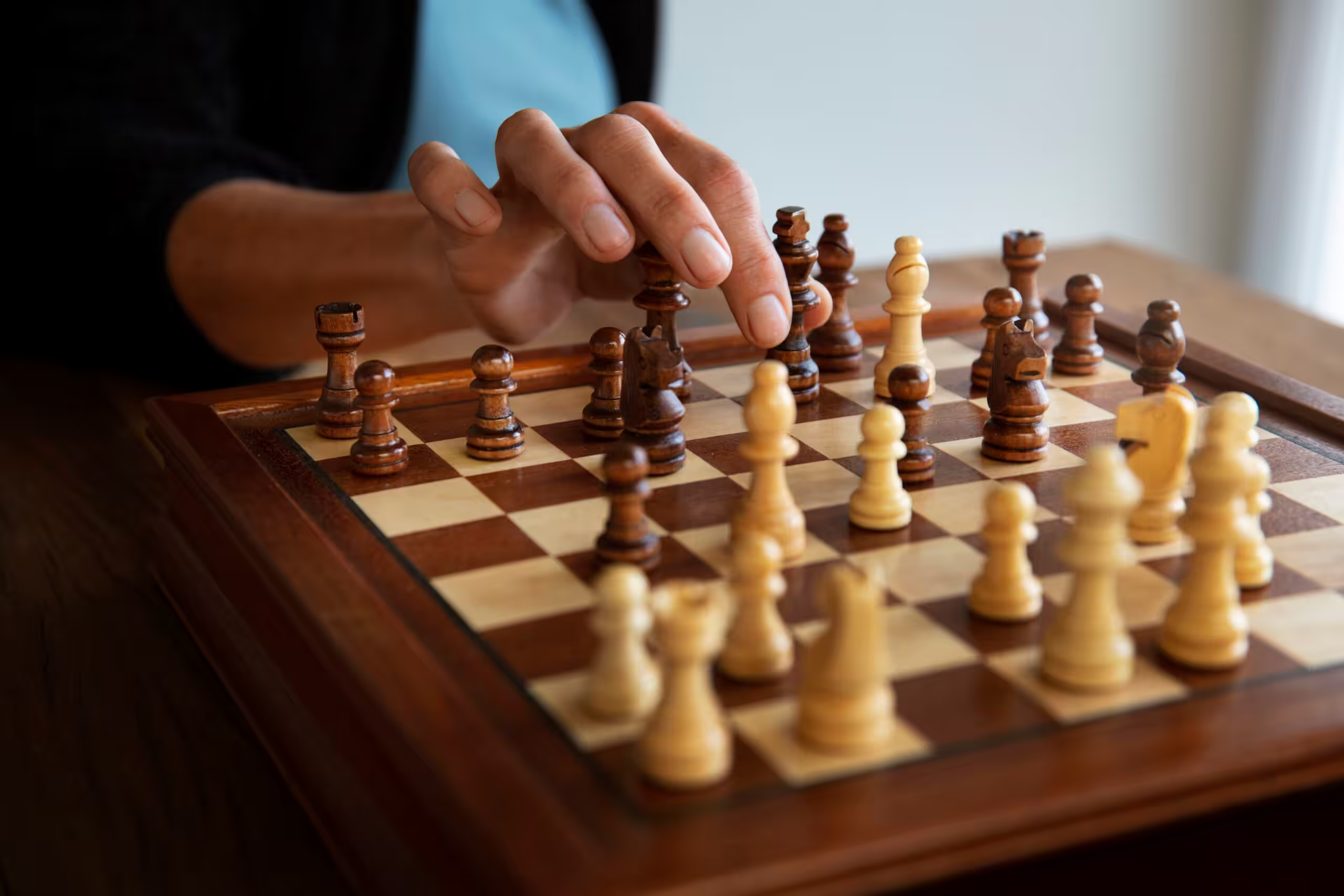
Begin with one piece, one position or one fair-play question. Students can share moves and greetings with a partner class, compare strategies and learn about how people enjoy chess in different places.
Explore two classroom projects
Choose a project idea

Chess for Friendship: Celebrating World Chess Day
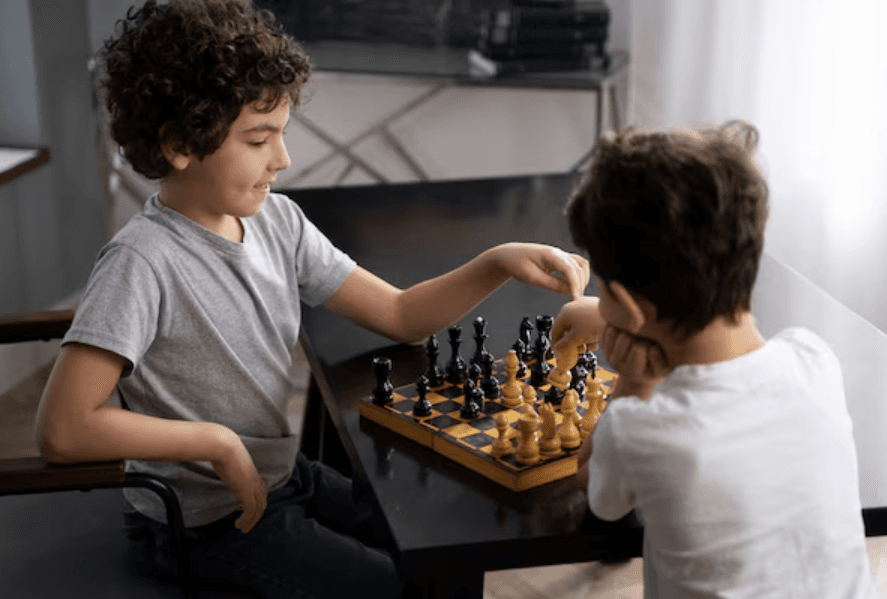
For Chess for Friendship, introduce piece movements, the rules and basic strategy before arranging friendly matches. Students could share a greeting or a short introduction to their hometown, then compare how they play and learn. Ask pairs to explain a choice, listen to a partner's idea and encourage each other's progress. End with a reflection about chess, culture and something they learned from the other class.
Checkmate for Peace: Celebrating World Chess Day
For Checkmate for Peace, students could organise a friendly tournament and discuss respect, fairness and peaceful competition. Let them share strategy notes, analyse positions and coordinate match times while teachers facilitate the exchange. This follows the idea of Collaborative Online International Learning: students work together across countries rather than only receive a presentation. Use agreed chess notation, messages or an optional live call to compare moves. Choose any online chess tool with your partner teacher, then reflect on patience, playing under pressure and responding to a win or loss.
The public ideas show four-week plans and age groups. Teachers can adapt the tasks and agree a working language, dates and sharing plan. The short activities below are teaching suggestions, not extra requirements in those project records.
Try a World Chess Day activity
Teach one piece, then explain a move
For ages 6-12, allow about 30 minutes. Use a chessboard and pieces, or a paper board with labelled counters. Demonstrate how a rook moves, then let pairs take turns setting a starting square and a target square. Each student explains a legal route before moving. Finish with a small diagram and one friendly tip that another class could try. Beginners can point or draw their route; students who already play can compare two routes and explain their choice.
Agree fair-play rules for a friendly match
For ages 13-18, allow about 40 minutes. Use a board or teacher-selected online chess tool, paper and a short position that students can play. Groups agree three rules for respectful competition, play a short game and pause to explain one decision. Exchange a position or strategy note with a partner class and compare possible moves. Produce a fair-play note and one reflection on handling pressure or disagreement. Give less experienced players a simple position and let confident players justify an alternative move.
For an exchange, agree whether students will play at the same time or send positions for a later reply. A shared board diagram and a short explanation are enough to begin.
Why World Chess Day is July 20
The UN General Assembly designated July 20 as World Chess Day on December 12, 2019, in Resolution A/RES/74/22. The date marks the founding of the International Chess Federation, FIDE, in Paris in 1924. The UN observance page also notes that players have marked International Chess Day on July 20 since 1966, at FIDE's initiative.
Chess has a long history across cultures. In a classroom, discussing a move creates an opportunity to practise focus, planning and problem-solving. A respectful exchange can connect SDG 4: Quality Education with SDG 16: Peace, Justice and Strong Institutions. Ask students to show how they listened, explained a choice or resolved a disagreement during the activity.
FIDE's 2026 campaign encouraged creative chess activities and welcoming events with equal opportunities to participate. A classroom could respond by inviting beginners into a friendly game and making its rules easy to understand.
The annual date stays the same. Check the official observance page before using a year-specific theme or campaign in your lesson.
What to look for in students' work
- Critical thinking: explain a move, anticipate a response and compare another option.
- Intercultural communication: share a greeting, a position or a reflection that a partner class can understand.
- Collaboration: take turns, organise a match and offer useful encouragement.
- Global awareness: compare how students in different places learn and enjoy chess.
- Digital literacy: use agreed notation and a teacher-selected tool to share a position or strategy note.
- Fair play and patience: describe how the group handled pressure, a mistake or a disagreement.
Find more dates and classroom ideas in the SDG Calendar.
Frequently asked questions
When is World Chess Day?
World Chess Day is July 20 each year. It marks the date FIDE was founded in 1924.
Do students need to know chess already?
No. Begin with one piece and one legal move. Students who already play can explain their thinking or compare two possible moves.
How much time should I allow?
Allow about 30-40 minutes for one suggested activity. The two public project ideas show four-week plans, which you can adapt with your partner teacher.
Do we need a live international tournament?
No. Classes can exchange a board diagram, a strategy note or a fair-play rule and reply later. Agree a live match only when both teachers can arrange it.
Plan your classroom exchange
Choose one project idea, then agree a small task and a response window with a partner teacher.