World Day Against Child Labour: classroom activities
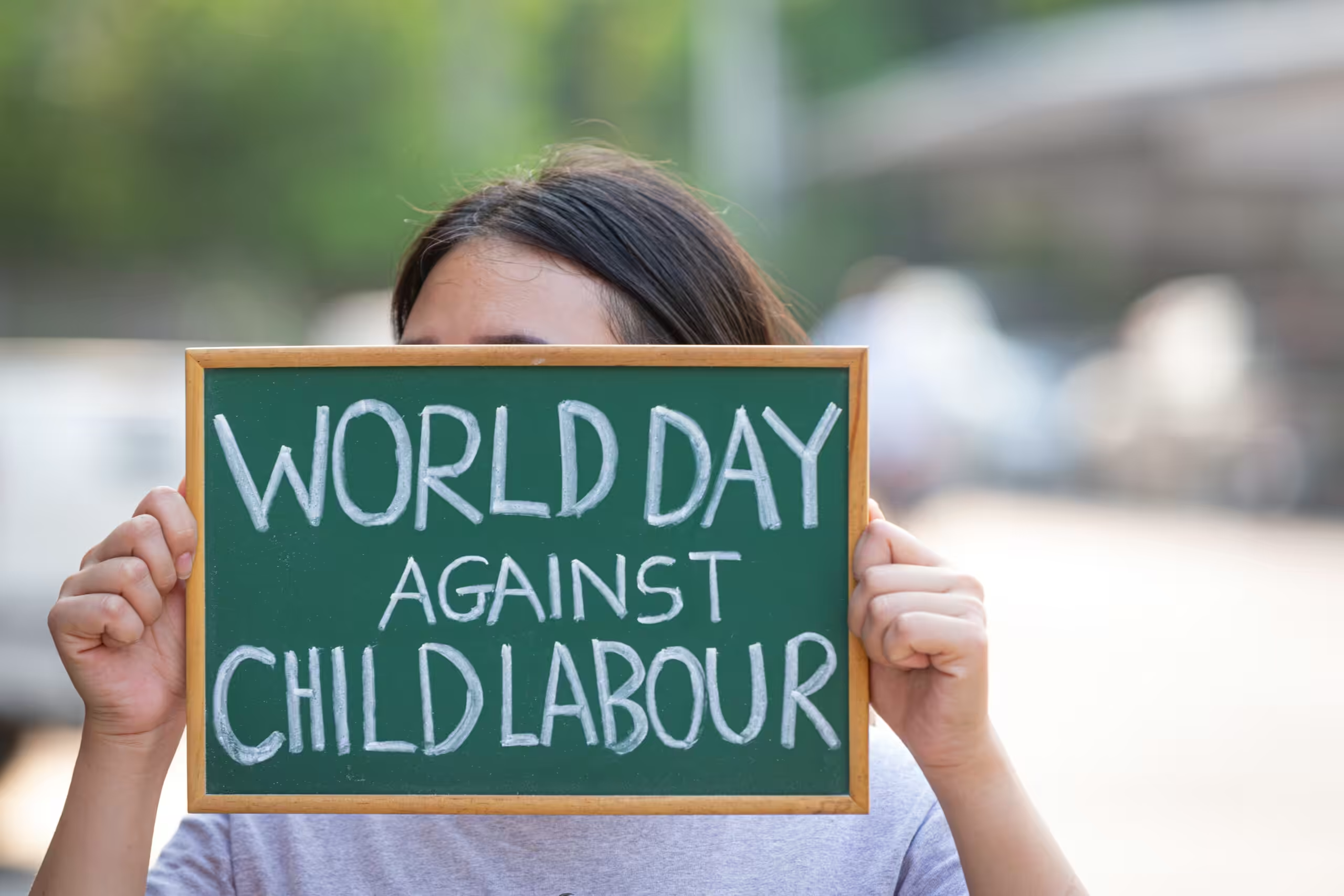
World Day Against Child Labour is June 12. Teachers can explore children's rights to education, safety and play through artwork or research using reliable public sources. Begin with a short task, then adapt Crafting Compassion or Advocates in Action for a classroom exchange.
Last updated
Explore children's rights through art and inquiry
Begin with the rights every child needs: education, safety and time to play. A class can express these ideas through art or investigate one question using reliable public sources. Keep the distinction clear: child labour harms children's health or development or interferes with education; age-appropriate tasks are not automatically child labour.
Explore two classroom projects
Choose a project idea
 Project ideaCrafting Compassion: Weaving Hope for Children's Rights
- Age groups
- 6-8, 9-12, 13-15
- Duration
- 4 weeks
- Language
- Agree with your partner
 Project ideaAdvocates in Action: Uniting Youth to Combat Child Labor
- Age groups
- 13-15, 16-18, 18+
- Duration
- 4 weeks
- Language
- Agree with your partner
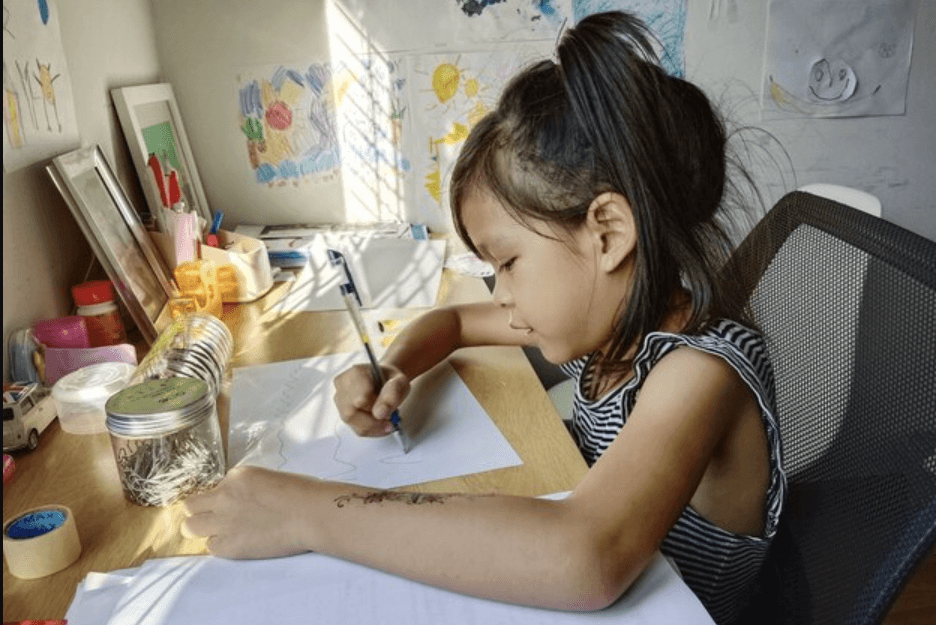
Crafting Compassion: Weaving Hope for Children's Rights
For Crafting Compassion, students could explore children's rights to education, play and safety, then express one right through a poster, a small handmade object or a shared paper tapestry. Groups decide how to combine their pieces and prepare a short story explaining the symbols they chose. Share the artwork with a partner class and ask each group to explain its message. This gives students a way to practise creativity, clear communication, teamwork and thoughtful listening while comparing ideas about what children need to thrive.
Advocates in Action: Uniting Youth to Combat Child Labor
For Advocates in Action, follow the design-thinking stages: empathise, define, ideate, prototype and test. Students use public reports and data to investigate causes and consequences of child labour, then choose a focused question about school access, household income, consumer choices or policy gaps. Compare evidence with a partner class and evaluate where each source's information comes from. An optional teacher-arranged interview with a willing adult can add a perspective. Teams could create a draft podcast, an awareness message, a community-event plan or a school initiative. Test whether another group understands its evidence and proposed action, then revise it. Students lead roles and discussions while teachers facilitate; the result is a researched proposal to share and improve.
The public ideas show four-week plans and age groups. Teachers can adapt the tasks and agree a working language, dates and sharing plan. The short activities below are teaching suggestions, not extra requirements in those project records.
Try a June 12 classroom activity
Make a paper quilt of children's rights
For ages 6-12, allow about 30 minutes. Use paper squares, pencils or crayons and tape. Discuss education, play and safety using a short fictional story. Each child draws one right and explains a symbol; a partner can help write the caption. Join the squares into a paper quilt and agree a sentence about what every child needs. Share the artwork with another class and ask which symbols it would add. Younger learners can point and explain orally; older learners can add a reason to their caption.
Use a fact to make a clear message
For ages 13-18, allow about 40 minutes. Use paper and a teacher-selected excerpt from the ILO-UNICEF 2024 estimates, printed or on screen. Groups choose one fact, record its source and year, and separate what it shows from what they still need to find out. Pick a question about access to school or support for families. Make a draft poster or a 60-second audio script with one fact, one explanation and one practical action the school could consider. Another group checks whether the message is accurate and easy to understand. Provide a short excerpt and sentence starters for support; invite confident readers to compare a second source.
Use public accounts and fictional cases for discussion. Do not ask students or partner children to disclose personal work experiences. Give students the choice to draw, write or speak, and keep examples suitable for their age.
Why June 12 focuses on child labour
The first World Day Against Child Labour was June 12, 2002, as recorded in the ILO launch announcement. The annual day calls for action to end child labour. The ILO definition explains that harmful work and work that interferes with schooling are central concerns; not all work done by children is classified as child labour. The ILO-UNICEF 2024 global estimates, published on June 11, 2025, estimated that about 138 million children aged 5-17 were in child labour worldwide in 2024.
The day connects SDG 8: Decent Work and Economic Growth, including Target 8.7 on ending child labour, with SDG 4: Quality Education. The global goal to end child labour by 2025 was not met. A classroom exchange can help students examine evidence, listen to different perspectives and consider how education and support for families can protect children's rights.
ILO's 2026 campaign used the slogan "Red card to child labour: Fair play for children, decent work for adults". It called for action on education, social protection and decent work, alongside stronger laws and enforcement.
The annual date stays the same. Check the official observance page before using a year-specific theme or campaign in your lesson.
What to look for in students' work
- Empathy and intercultural understanding: listen to a partner's explanation of a right or symbol and respond thoughtfully.
- Global citizenship: explain why education, play and safety matter for children everywhere.
- Critical thinking and research: identify a source and year, compare evidence and name an unanswered question.
- Communication and creativity: make artwork or a message that explains an idea clearly.
- Teamwork and leadership: share roles, lead a discussion and use another group's feedback to improve a proposal.
Find more dates and classroom ideas in the SDG Calendar.
Frequently asked questions
When is World Day Against Child Labour?
It is June 12 each year. The ILO launched the first observance in 2002.
Does every task a child does count as child labour?
No. The ILO distinguishes child labour from age-appropriate work that supports development and does not harm health or interfere with school. Age, hours, conditions and the type of work matter.
How much time should I allow?
Allow about 30-40 minutes for one suggested activity. Crafting Compassion and Advocates in Action are planned over four weeks; adapt the tasks with your partner teacher.
Do students need to interview affected children?
No. Use reliable public sources and fictional cases. Students can compare evidence and artwork with a partner class without sharing personal work experiences.
Plan your classroom exchange
Choose one project idea, then agree a small task and a response window with a partner teacher.