World Teachers’ Day activities for classes and colleagues on 5 October
World Teachers’ Day is on 5 October every year. UNESCO has celebrated it since 1994 to mark the 1966 ILO/UNESCO Recommendation on the status of teachers. Classes can thank or interview teachers, or start a partner-class exchange with My School, Your School (ages 6–15) or The School of the Future (13–18+).
Last updated
Listen to the people who teach us
A thank-you message or a thoughtful question can open a conversation about the work teachers do. Use one short activity in a single lesson, or start an exchange with a class in another country to learn about teaching in a different school.
Choose a World Teachers’ Day activity
These are teaching suggestions, not platform projects. Each one fits in a lesson, and each can be shared with a partner class.
Send thank-you messages to a partner class
Ages 6-15. About 30 minutes. Materials: card or paper and coloured pens. Each student writes or draws a thank-you message to a teacher or another adult at school: what that person did and why it helped. Younger students can draw and add a few words; older students can write three or four sentences.
Collect the messages and give them to the people they thank. Then share a photo of the cards, or a short class video, with your partner class and ask them to reply with their own. Let students choose who to thank, including a teacher from an earlier school. Check that each message names one specific action.
Interview a teacher about their work
Ages 9-18. About 40 minutes, plus time for the interview. Materials: a question sheet and notebooks. In groups, students write five open questions, for example: Why did you become a teacher? What has changed in your work? What helps you teach well? They interview a teacher who has agreed to take part, then write a short profile.
Swap the profiles with your partner class and compare: what is similar about teaching in both places, and what is different? Check that students ask open questions, quote accurately and summarise respectfully. Ask the teacher before you share their words or photo with another school.
Hold a teacher-voice exchange with colleagues abroad
For teachers and school leaders. About 45 minutes online. Invite a few colleagues from a partner school. Each teacher shares one practice that works well in their classroom and one challenge they face. Together, choose one idea that each school will try, and agree a date to tell each other how it went.
This follows the spirit of the day: celebrating what teachers do, and talking about the support they need.
Before students share work with a partner class
- Agree with the partner teacher what will be shared, how and when.
- Use first names only, or no names, and share photos of cards or work rather than students’ faces unless you have permission.
- Make thanking optional. A student who does not want to share can give a message privately.
Explore two projects about school and learning
No Class2Class project idea is about teachers alone. These two explore school life and the future of education, so they fit the day well. Both are available on the platform; adapt the plan with your partner teacher.
Compare ages and activities
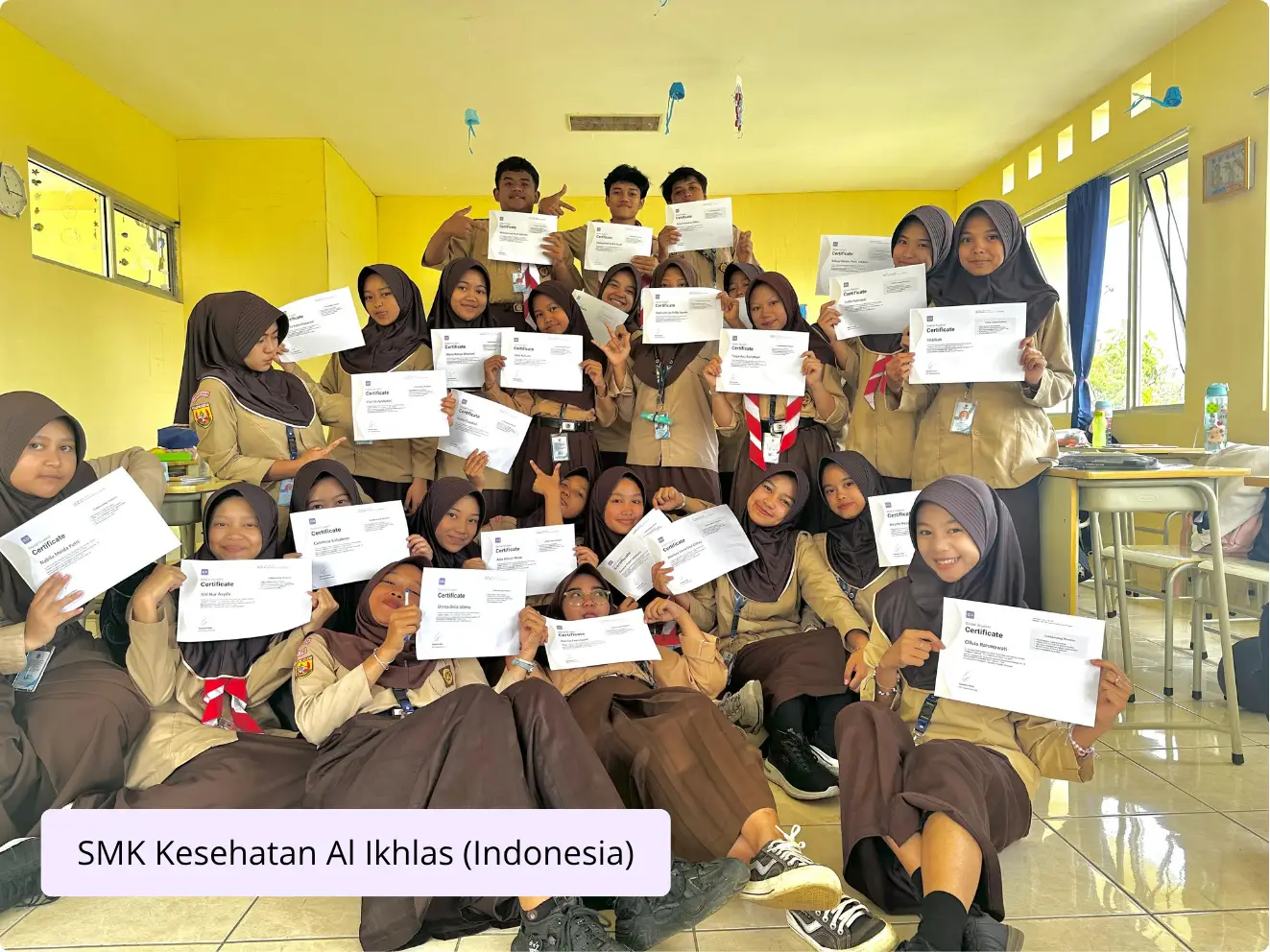
My School, Your School: age groups 6–8, 9–12 and 13–15
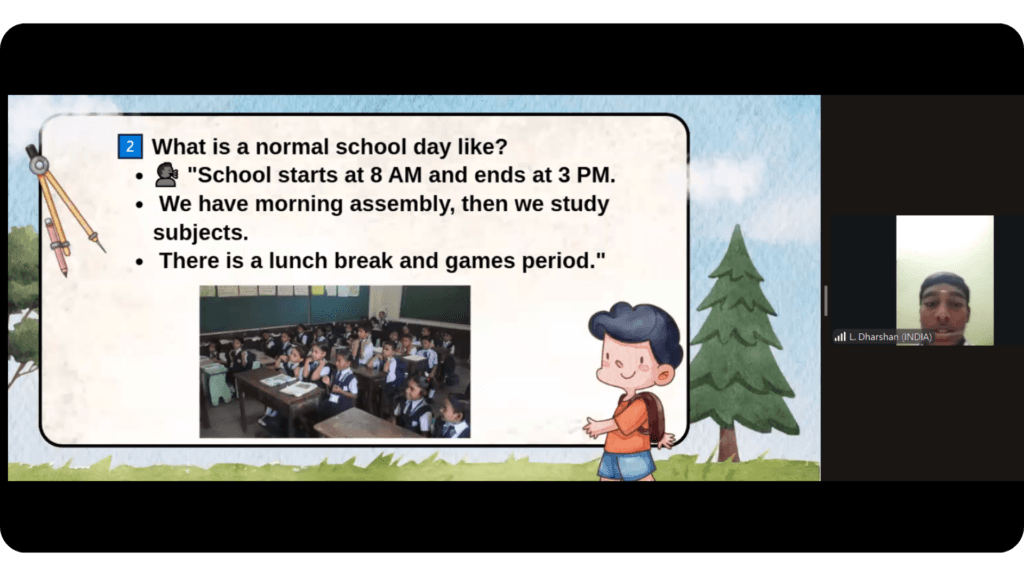
In My School, Your School, students share what school is like in different parts of the world through games, stories and art. The four-week project uses English for the exchange. On World Teachers' Day, you could add a question about the teachers and other adults who help students learn.
The School of the Future: age groups 13–15, 16–18 and 18+
The School of the Future brings students from different countries together to design and present their ideal school, thinking about cultural diversity, new ways of learning and sustainability. The project takes four weeks and uses English for collaboration. You could ask students what teachers would do in the school they design.
What students can practise
These are intended learning goals for the activities and projects, not measured results.
- Ask open questions and listen carefully to the answers.
- Write and speak for a real audience in another country.
- Compare school life and teaching in different places without judging them.
- Recognise the work of the people who help them learn.
Stories from Class2Class teachers
When this page was first published in October 2024, four teachers shared what international projects had changed in their classrooms. Their stories show what can grow from one exchange.
Gisel Crespo, Argentina: making school more inclusive
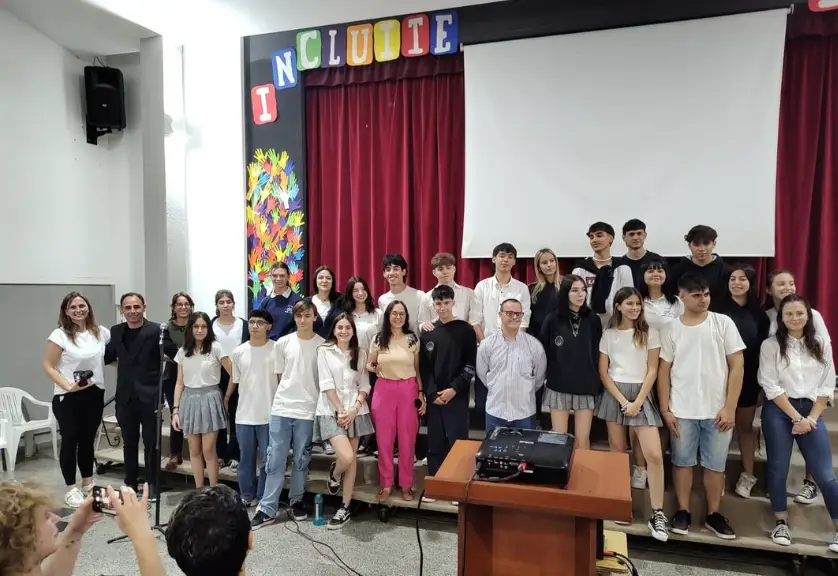
Gisel teaches English at Santa Inés School. Her students read a story about a girl whose sister has Down syndrome and autism, and adults with different conditions came to speak to the class. The students then looked for ways to make their school and city easier for everyone. They made signs with pictures to help people find their way, put tennis balls on chair legs to make classrooms quieter and easier to move around, and wrote a song about including everyone.
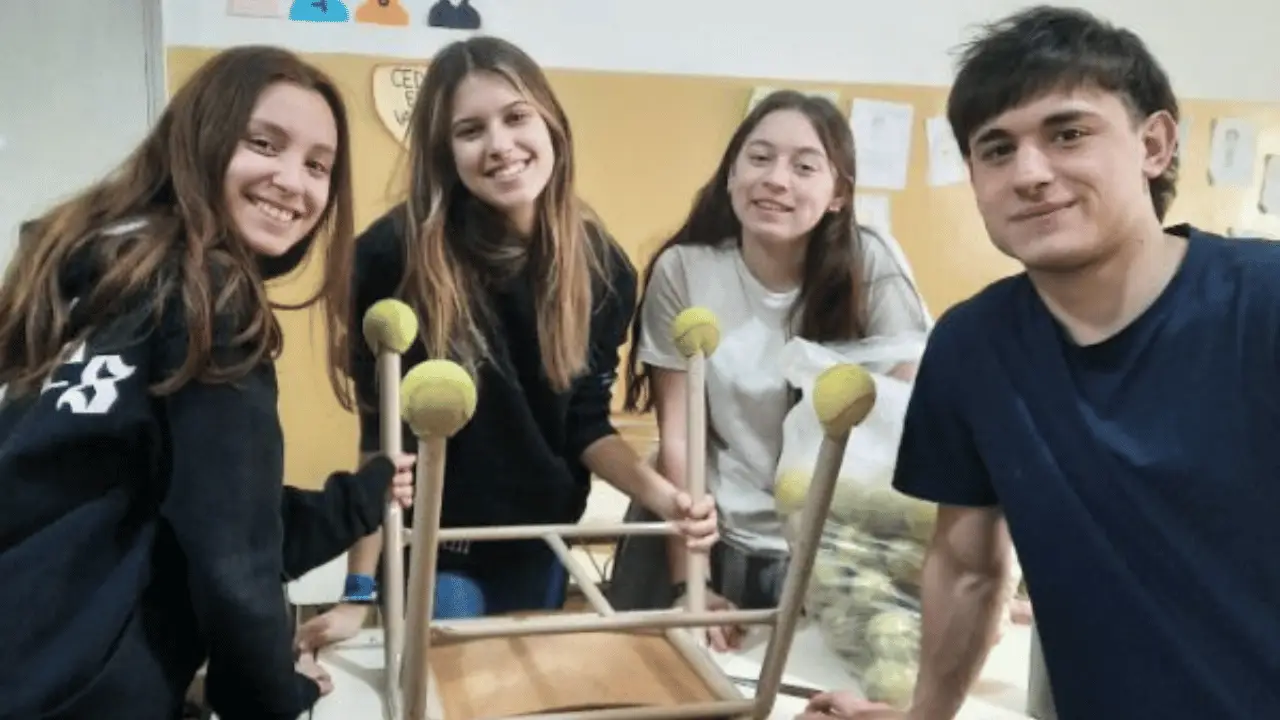
The work spread beyond the school: the story reports that 18 local organisations, including the city hall, started using similar inclusive practices. Read the full inclusion project story.
Class2Class gave us a way to work with people around the world. It showed us that we can learn important life lessons while we’re learning English.
Gisel Crespo, English teacher, Santa Inés School, Argentina
Daniel Timbal, Philippines: coding for the climate
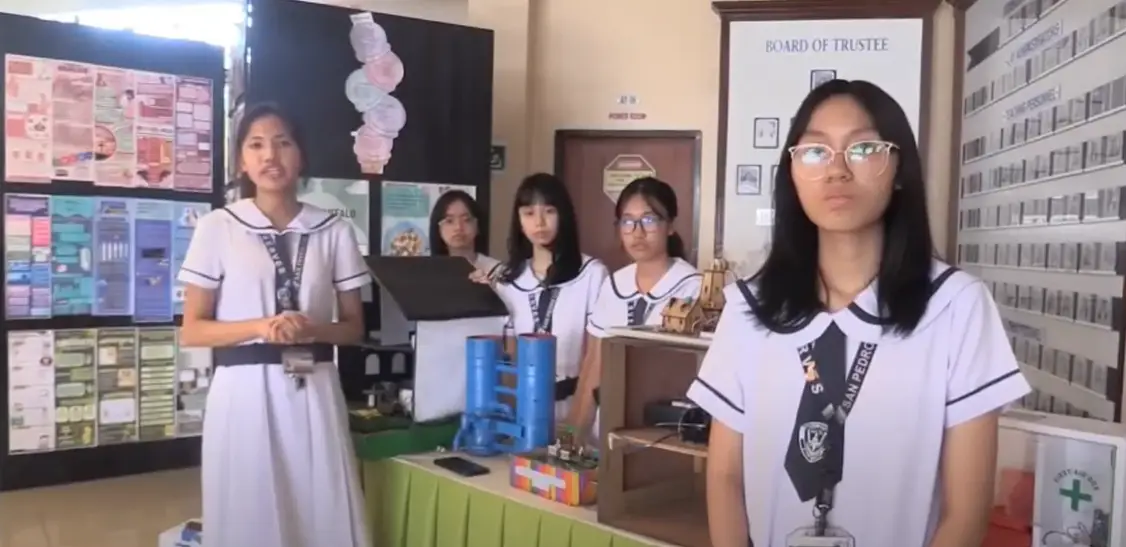
At San Pedro College Basic Education, Daniel’s class joined Coding 4 Climate, a three-week global collaboration run by Take Action Global, with a partner class at Bongdam High School in South Korea. Students learned the basics of computer science and used them to design solutions for the planet. Two examples: an automatic plant-watering system that uses sensors to water plants only when they need it, and EcoLight, a lighting system that changes with the natural light in a room to save energy.
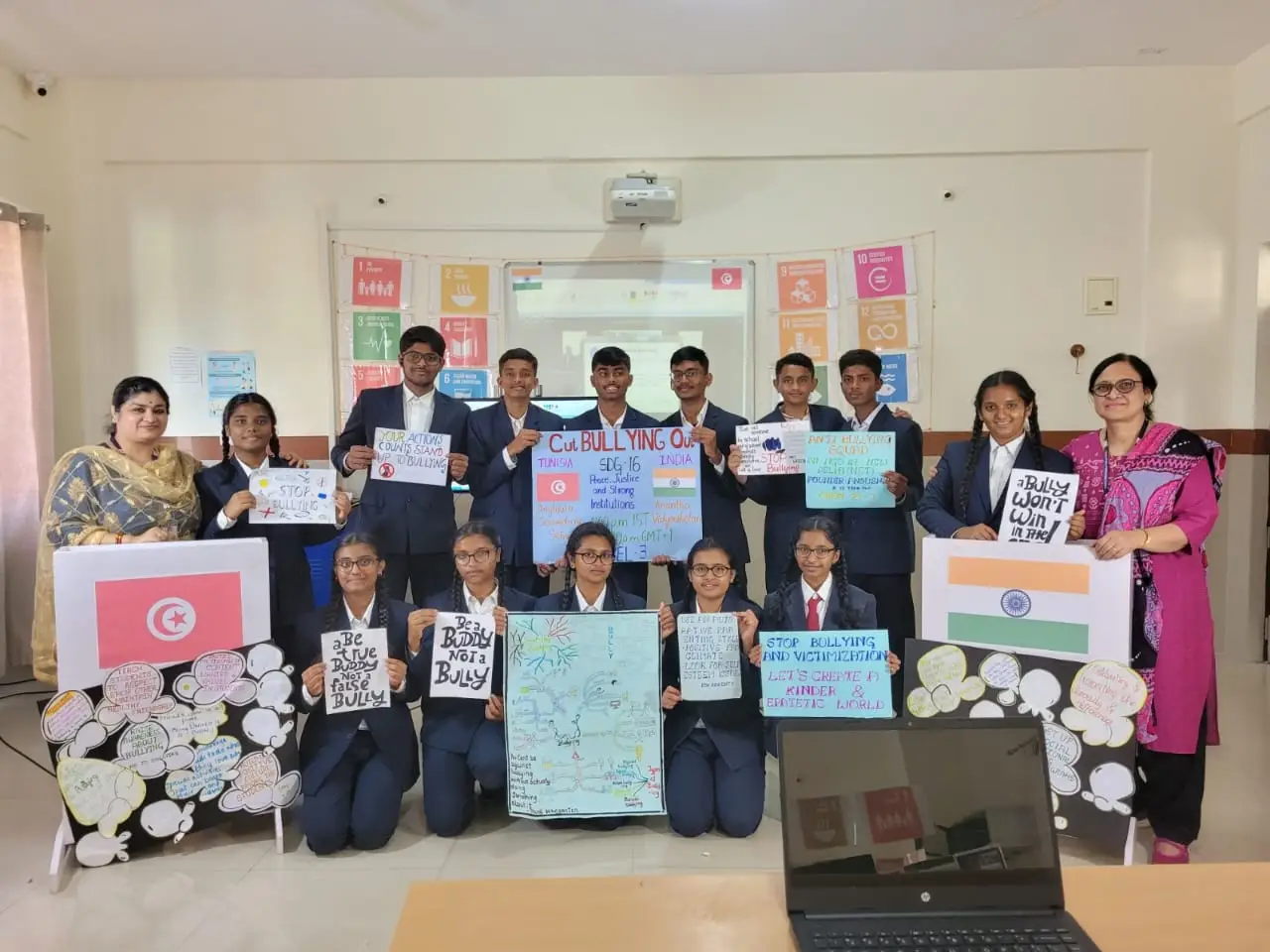
Jamila Rahmeni, Tunisia: kindness at school
Jamila teaches English at Ainjloula Secondary School and had taken part in about 15 international projects by 2024. After talking with students in other countries about kind and respectful schools, her class created a spin wheel for the schoolyard that suggests a kind action for the day, and bracelets with positive messages that remind everyone to be kind.
Before we started these international projects, my students saw English as just another subject. Now, they see it as a way to connect with the world.
Jamila Rahmeni, English teacher, Ainjloula Secondary School, Tunisia
Jamila reported that parents noticed their children were more excited about learning, and the school principal became more supportive of international activities.
Anuradha Sharma, India: industry and the environment
Anuradha teaches science at Anantha Vidyanikethan School and had taken part in about 76 projects on Class2Class by 2024. In “Protecting the Environment Through Innovation”, her students worked with peers at Navy Anchorage School and College in Khulna, Bangladesh. They talked about how local industries had changed their communities, made online quizzes for each other and worked in mixed teams on ideas to reduce pollution while keeping the benefits of industry.
She shared that one student called the session an eye-opener, and that students wanted to work on sustainable ideas for small industries. Her next plan was for both classes to compare how their countries are doing on the Sustainable Development Goals.
Why 5 October matters
UNESCO has celebrated World Teachers’ Day since 1994. The day marks the anniversary of the 1966 ILO/UNESCO Recommendation concerning the Status of Teachers, which sets standards for teachers’ rights and responsibilities, their training, recruitment and employment, and their teaching and learning conditions. A second recommendation, for higher-education teaching personnel, was added in 1997.
UNESCO organises the day with the International Labour Organization, UNICEF and Education International. Each year has its own theme, which UNESCO publishes on its World Teachers’ Day page. The day connects with SDG 4: Quality Education.
Use the SDG calendar to find another day that fits your class, then build on this lesson through a shared question or project.
Frequently asked questions
When is World Teachers’ Day?
World Teachers’ Day is on 5 October every year. UNESCO has celebrated it since 1994.
Is World Teachers’ Day the same as Teachers’ Day in my country?
Not always. World Teachers’ Day is the international day on 5 October. Many countries also have a national teachers’ day on another date, so you can mark both.
Which Class2Class project fits my students’ ages?
My School, Your School lists age groups 6–8, 9–12 and 13–15. The School of the Future lists 13–15, 16–18 and 18+. Both are four-week projects in English. For a single lesson, use one of the short activities above.
Is Class2Class free for teachers?
Yes. Class2Class is free for teachers and students, with no paid tier. You can explore project ideas and find a partner class at no cost.
Explore classroom projects
Explore Class2Class project ideas and choose one to adapt with a partner class.