World Youth Skills Day: classroom activities for July 15
World Youth Skills Day is July 15. Students can share a useful skill, compare how they solve a problem, or plan a small community improvement with peers. Start with a short skills exchange, then explore Skills for Success or Global Leadership Lab.
Last updated
Turn everyday skills into a shared task
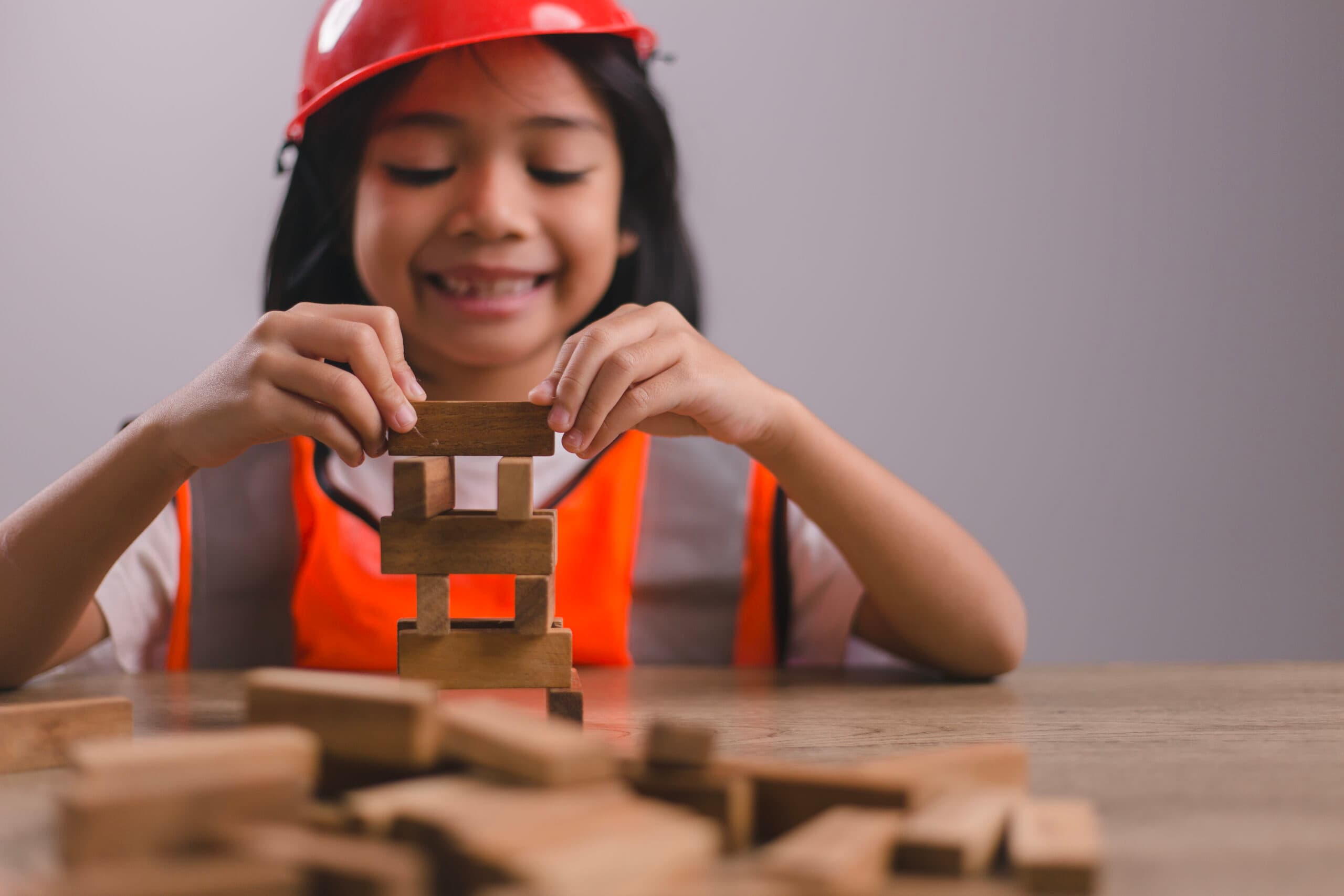
Give students a chance to explain something they can do, learn a new approach from someone else and use both in a shared task. A partner class can widen that exchange with different languages, interests and everyday problems.
Explore two classroom projects
Choose a project idea


Skills for Success
In Skills for Success, students explore their talents and share them with a partner class. An adaptation could use written messages or short videos to explain a skill, followed by a small challenge that both classes try. Students compare methods, explain their decisions and take turns as presenter, listener and note-taker. If a live meeting suits both classes, use it for a demonstration; otherwise exchange the steps and replies. End with a reflection on what each student contributed and what they learned from a partner.
Global Leadership Lab
Global Leadership Lab offers an older group a way to investigate a community issue and work through design thinking. Students can agree a problem, ask what people need, draft a prototype and pitch their idea to partners. Rotate the role of meeting facilitator so students practise leading, listening and coordinating rather than leaving the work to one speaker. Teachers can guide the research and feedback. A revised pitch and a short record of decisions make the teamwork visible.
The public ideas show four-week plans and age groups. Teachers can adapt the tasks and agree a working language, dates and sharing plan. The short activities below are teaching suggestions, not extra requirements in those project records.
Two short ways to practise a skill
Teach a skill in three steps
Suggested ages 8-12; allow 30 minutes. Use paper, pencils and a safe classroom material such as building blocks. Each student draws three steps for a familiar skill, such as making a paper shape or organising a desk. A partner follows the steps, then names one clear instruction and one missing detail. Revise the instructions. Younger learners can demonstrate and draw; confident writers can add a reason for each step. The outcome is a clearer how-to card that a partner class can test.
Lead a ten-minute team challenge
Suggested ages 13-18; allow 40 minutes. Give each team paper, tape and a shared challenge, such as designing a notice that helps new students find a classroom. Rotate facilitator, designer and recorder roles during a ten-minute work period. Exchange the prototype with partners and ask whether the purpose is clear. Revise one feature, then write which leadership action helped everyone take part. Offer sentence starters or an audio reflection for learners who need language support.
What to look for in students' work
- Communication: explain the steps clearly enough for someone else to follow.
- Critical thinking and problem-solving: compare two methods and explain a useful revision.
- Creativity and innovation: turn an idea into a testable example or prototype.
- Collaboration and leadership: share roles, invite quieter voices and record a joint decision.
- Digital literacy and global awareness: choose an appropriate sharing format and describe what a partner taught you.
Why this date matters
The UN General Assembly designated July 15 as World Youth Skills Day through resolution 69/145, adopted on December 18, 2014. The first observance was in 2015. The official observance page connects the day with skills for employment, decent work and entrepreneurship. In school, this can begin with learning how to explain, practise and improve a useful skill.
SDG 4, quality education, connects skills with opportunities to learn. Cross-border work can let students compare skills and local needs, while a concrete task makes cooperation and problem-solving easier to discuss.
The 2026 UN theme is Skills for a Shared Future. Ask students which technical, digital or social skill would help their team solve a shared problem.
The annual date stays the same. Check the official observance page before using a year-specific theme or campaign in your lesson.
Find more dates and classroom ideas in the SDG Calendar.
Frequently asked questions
Can we take part without a live call?
Yes. Exchange a short demonstration, written instructions or a prototype, then allow each class time to reply. Agree the response window with the partner teacher.
How can I check whether a skill improved?
Keep the first attempt and the revised version. Ask students to point to one change and explain why a partner could understand or use it more easily.
How much time should I allow?
Allow 30-40 minutes for a suggested short activity. The two current public project ideas show four-week plans; agree the pace and shared tasks with your partner teacher.
Plan your classroom exchange
Choose one project idea, then agree a small task and a response window with a partner teacher.