How students in Tunisia and India designed anti-bullying project ideas
Cut Bullying Out connected students in Tunisia and India through video calls. They shared experiences, then prototyped anti-bullying ideas for their schools, including a positive-message spinning-wheel game, bracelets, a complaint box, a student squad and a notice board.
Last updated
The shared challenge
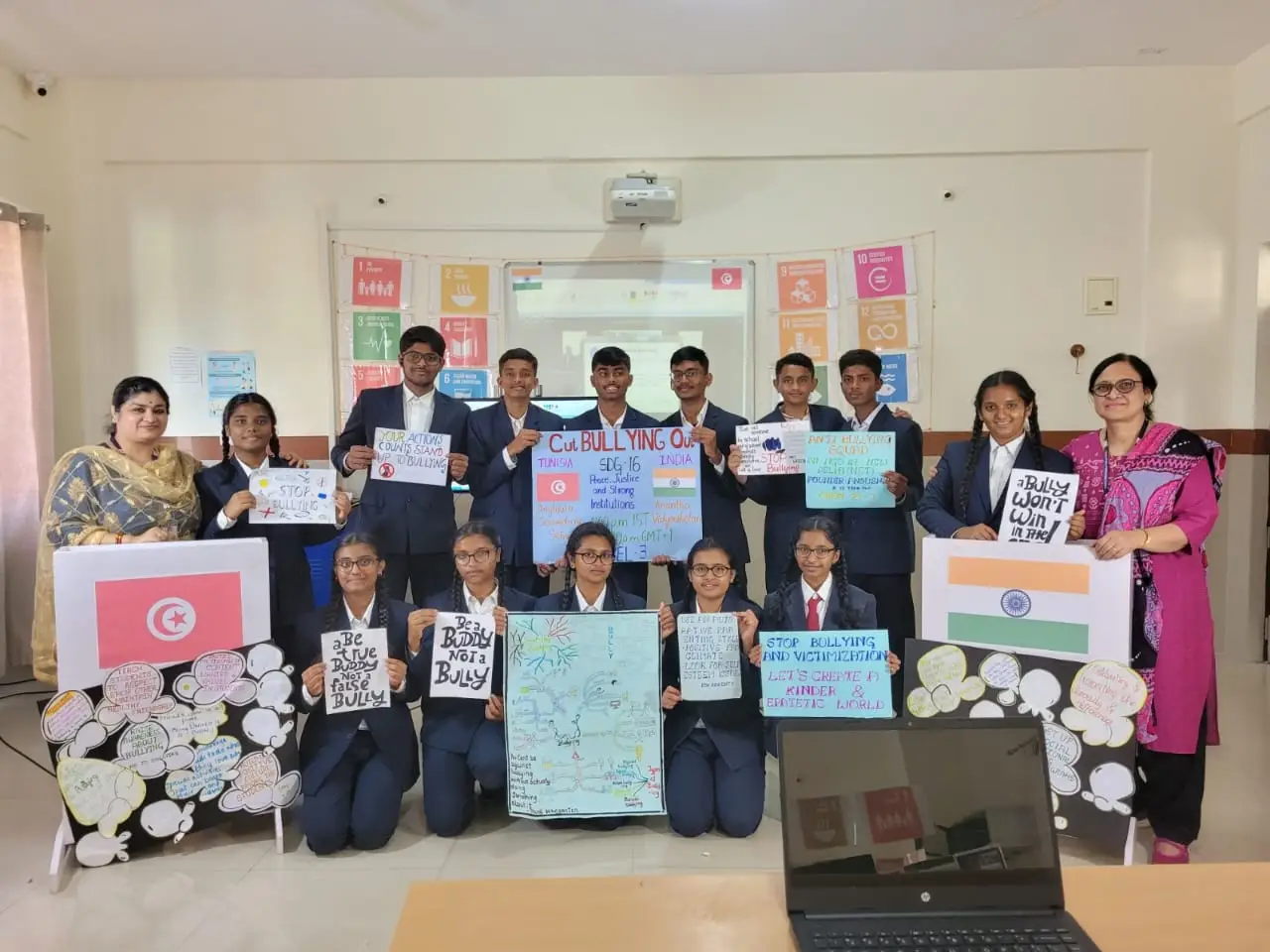
Cut Bullying Out brought together students from Tunisia and India to design responses to bullying and violence in schools. The archived project account describes a shared effort to make school environments safer and more inclusive while practising empathy and cross-cultural cooperation.
Anti-bullying project ideas from Tunisia and India
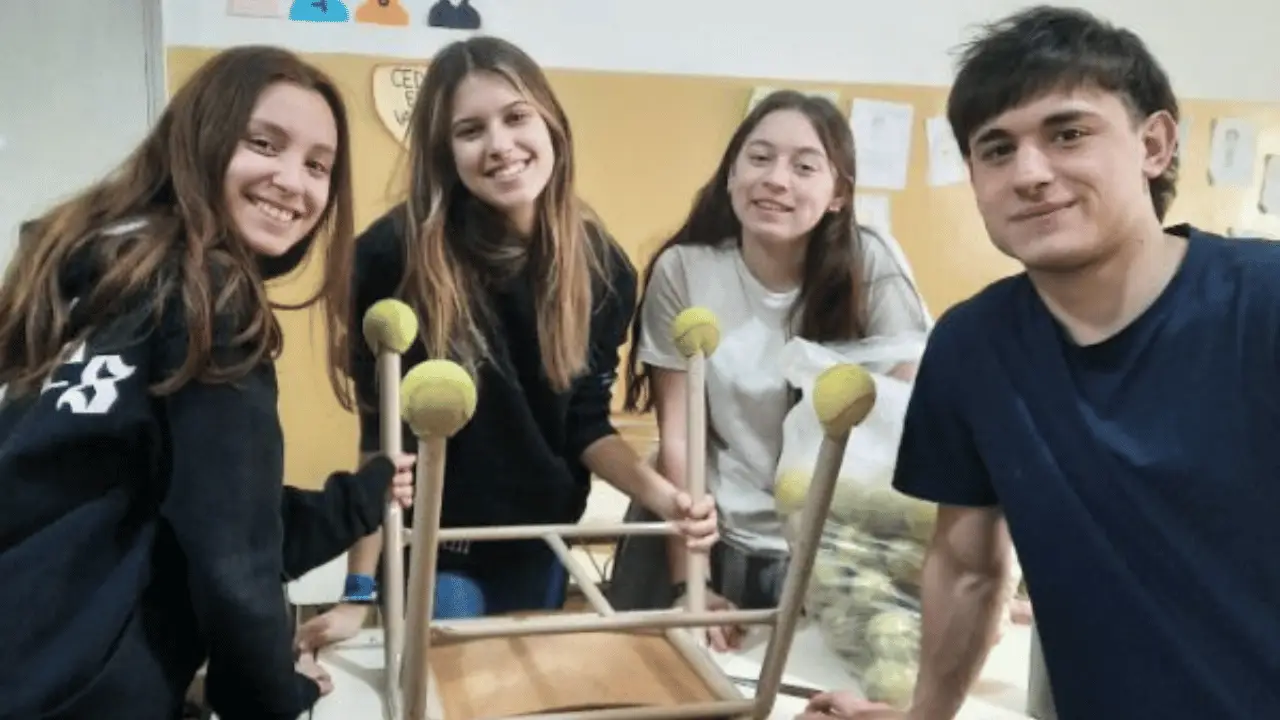
- Students in Tunisia created a spinning-wheel game with positive messages and designed anti-bullying bracelets.
- Students in India developed a complaint box, an anti-bullying squad, and an attractive notice board.
How the classrooms worked together
Students from Tunisia and India worked together, sharing experiences and ideas through video calls.
From ideas to school prototypes
The original account records that both classes prototyped and implemented their ideas in their respective schools.
Skills described in the project account
- Critical thinking and problem-solving
- Empathy and cross-cultural understanding
- Teamwork and creative thinking
- Design thinking applied to a school challenge
What the original project account says changed
The archived project account says the work raised awareness about bullying and empowered students to take active roles in creating a more compassionate school environment. It presents the collaboration as an example of classrooms addressing a shared challenge across countries.
Try an anti-bullying activity
Ask students to compare the positive-message game with the bracelets. Which idea would help your class share kind, specific messages? Have small groups draft a message or a simple design, then explain how it would work in your school. Review the proposals with school staff before using them.
Questions about this classroom project
How did the classrooms in Tunisia and India work together?
The classes shared experiences and ideas through video calls, then developed responses they could use in their own schools.
What anti-bullying ideas did the students create?
Students in Tunisia made a positive-message spinning-wheel game and anti-bullying bracelets. Students in India developed a complaint box, an anti-bullying squad, and a notice board.
Which learning outcomes did the original project account record?
The original project account records critical thinking, problem-solving, empathy, cross-cultural understanding, teamwork, creativity, and design thinking as learning outcomes from the project.