World Ozone Day: classroom projects for September 16
World Ozone Day is observed on September 16. Teach how the ozone layer protects life from harmful ultraviolet radiation, then choose a shared storybook for younger learners or a research and design task for older students. Compare ideas with another class and use scientific evidence to check the final work.
Last updated

Connect ozone science with global cooperation
How does the ozone layer protect life, and what can countries achieve by working together? Students can explore these questions through an illustrated story or investigate atmospheric protection with a partner class.
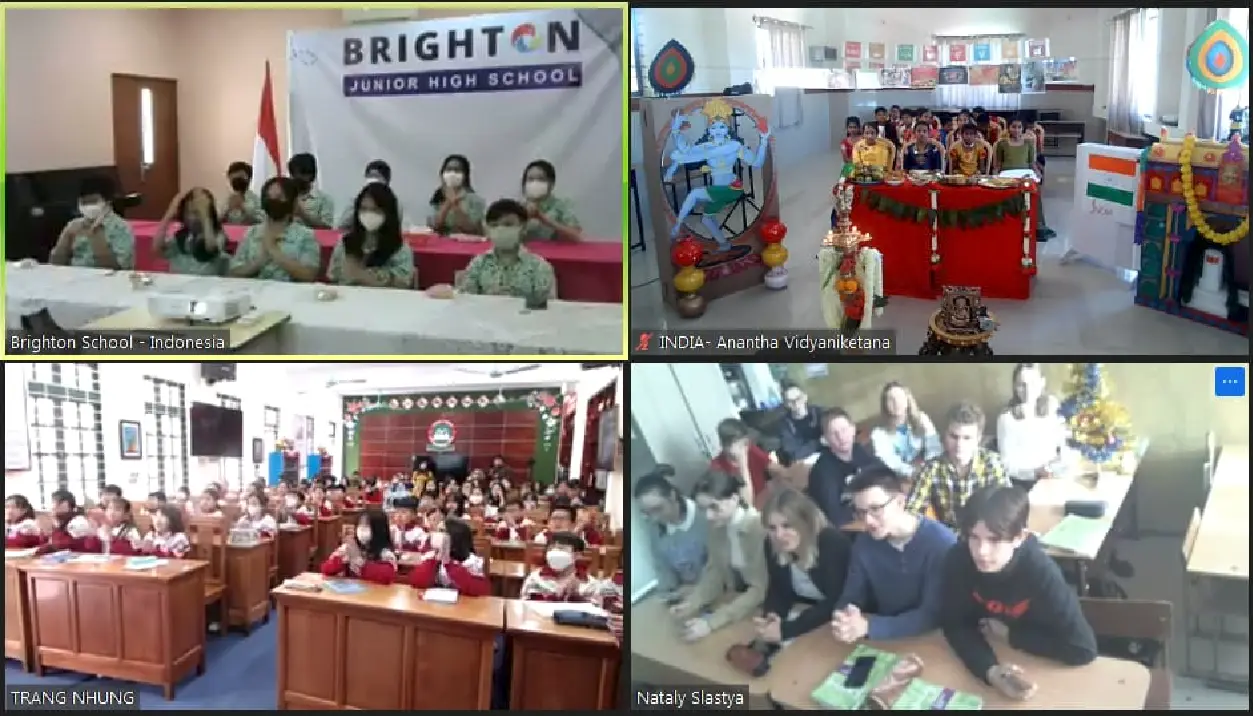
Begin by asking students what they know about the ozone layer and which questions they want to investigate. The projects below give them two ways to explain what they learn: co-write a science storybook or develop a proposal supported by evidence.
Project ideas

Ozone Chronicles: co-write a science storybook
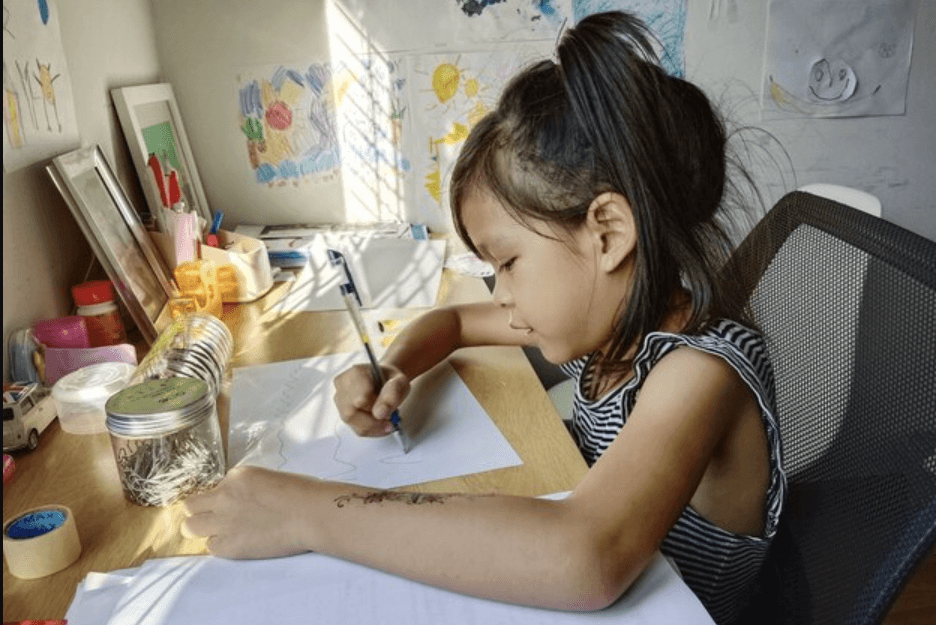
Younger learners can combine writing, art and teamwork in a shared illustrated adventure about the ozone layer. Begin with introductions and a short science lesson: what ozone does, what threatens it and how people work to protect it. Agree the characters and chapter plan with the partner class.
Co-write and illustrate the chapters, then read each other's drafts and check the scientific explanations. Finish with a shared presentation of the storybook for the partner classes or school community. Choose a written, recorded or live format that fits both classes.
- Creativity: design original characters, chapters and illustrations grounded in the science.
- Environmental awareness: explain the ozone layer's role, threats and protection through the story.
- Collaboration and teamwork: listen to the partner class, share authorship and adapt across languages and contexts.
- Communication: practise written expression, visual storytelling and presentation.
Innovating for Atmospheric Protection: research and design
Older students can choose an atmospheric protection question to investigate with a partner class. Possible focuses include ozone-depleting substances, ultraviolet radiation and local ecosystems, or the transition to safer alternatives. Research the causes, consequences and evidence of recovery before defining a challenge.
Use design thinking to move from investigation to ideas and a prototype. Teams might develop an awareness campaign, a policy proposal or a model of a technological idea. Compare the proposals, check the evidence and gather peer feedback before presenting the work around September 16 or another agreed date.
- Critical thinking and problem-solving: analyse data, question assumptions and build an evidence-based proposal.
- Environmental awareness: explain causes, consequences and recovery pathways.
- Leadership: organise research, guide the prototype work and prepare the shared presentation.
- Global citizenship: work with peers in another context on a question about protecting the atmosphere.
Why this day matters
The UN General Assembly proclaimed September 16 as International Day for the Preservation of the Ozone Layer in 1994, through resolution 49/114. It marks the signing of the Montreal Protocol on September 16, 1987. The ozone layer helps protect life from harmful ultraviolet radiation. UNEP's 2023 assessment announcement reported the phase-out of nearly 99% of banned ozone-depleting substances and found recovery on track with continued implementation.
Explore what caused ozone depletion and how science, policy and cooperation supported a response. Connect the topic with SDG 13 by explaining the Montreal Protocol's climate links, while teaching ozone protection and climate change as related issues with different mechanisms.
Find more observances in the SDG Calendar.
Skills to practise
- Environmental awareness: explain ozone depletion, ultraviolet radiation and the consequences of human choices.
- Critical thinking and problem-solving: interpret recovery evidence and check claims in an awareness campaign.
- Creativity and innovation: communicate science through an illustrated storybook or a proposed design.
- Global citizenship: compare ideas with another class and discuss responsibility for a shared atmosphere.
The 2026 theme
The official 2026 theme is "Global action for a cooler planet". It marks ten years since the Kigali Amendment to the Montreal Protocol, which addresses hydrofluorocarbons used in cooling. Students can compare ozone protection with sustainable cooling and explain how the two connect.
Frequently asked questions
When is World Ozone Day?
It is observed every year on September 16, marking the signing of the Montreal Protocol in 1987. The UN proclaimed the observance in 1994.
Are ozone depletion and climate change the same issue?
No. Teach their different mechanisms, then explore the connections through the Montreal Protocol and its Kigali Amendment. Ask students to distinguish ozone-depleting substances from greenhouse gases in their explanations.
Does the project have to finish on September 16?
No. Use the day as a starting point, a sharing date or a discussion within a longer unit. Agree dates and a manageable final product with your partner teacher.
Explore a project for your class
Explore a project idea that fits your class. Adapt its activities, then agree a shared question, dates and a small first contribution with a partner teacher.