Global learning experiences: five classroom benefits
Global learning experiences give students opportunities to compare perspectives, communicate for a real audience and apply a topic across contexts. Their value depends on the task, teacher guidance and reflection. Plan what students will practise and what evidence you will look for.
Last updated
Give a familiar topic a second perspective
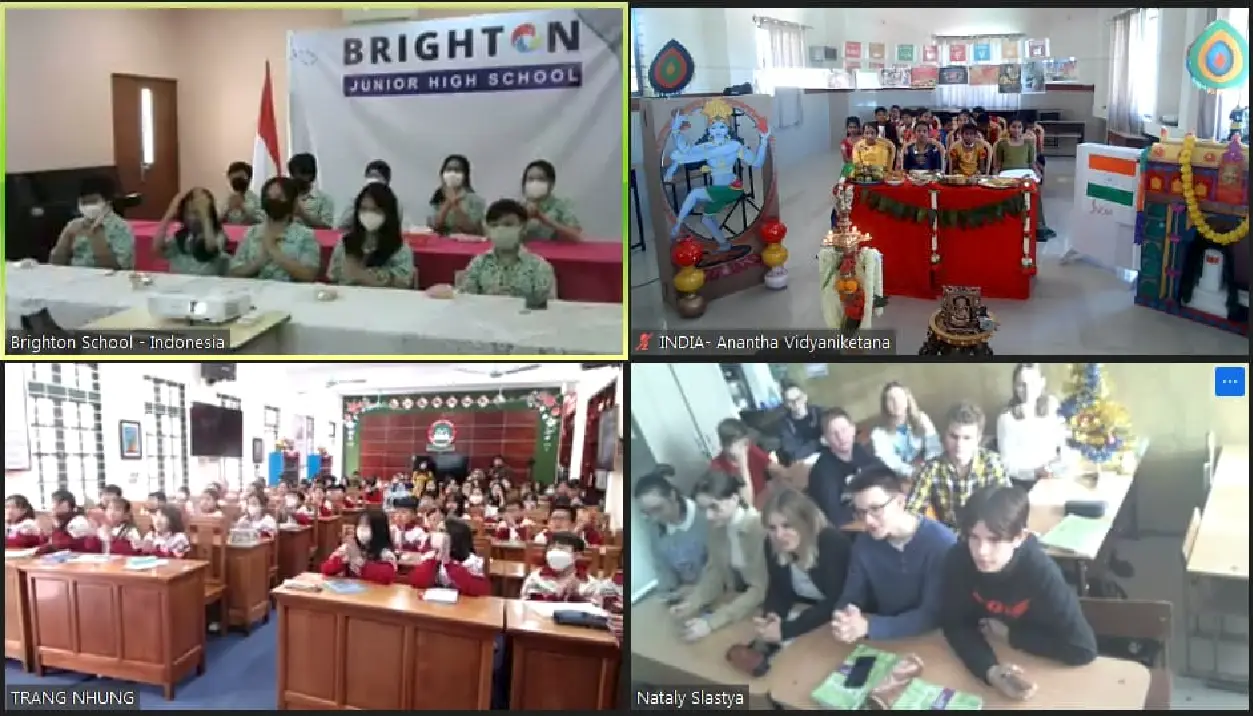
A question about water, food or local energy can look different when another class answers it. Global learning experiences connect those perspectives through shared inquiry, classroom exchanges, research and reflection. Students have something to compare and someone to respond to.
The five benefits below are aims to plan for and observe. Contact alone does not establish a learning gain. Choose a curriculum question, guide the exchange and ask students what another perspective helped them notice.
1. Understand other perspectives
When students exchange questions, stories and routines, they encounter particular people and experiences. Ask them to compare their first assumptions with what a partner actually says. One pupil never represents a whole culture.
Give students time to listen, ask a follow-up question and reflect. They can disagree respectfully; reaching quick agreement is not the purpose. OECD describes global competence through knowledge, skills, attitudes and values applied to global issues and intercultural situations.
2. Practise communication and teamwork
A shared task gives communication a purpose. Students might compare local evidence, agree responsibilities, explain an unfamiliar word or revise a message for another audience. Digital literacy becomes part of how they find sources and share their work.
Choose one behaviour to observe: Did students ask for clarification? Did they use a partner's contribution in their answer? The Class2Class educational framework names communication and collaboration among the competencies that projects can help students practise.
3. Connect the curriculum to everyday life
Keep the topic you already teach and invite another context into it. Science students can compare environmental observations. A literacy class can exchange narratives. Social studies students can consider how a shared issue affects two communities.
UNESCO's guidance on global citizenship education connects knowledge with perspectives, participation and real issues. Its education for sustainable development guidance brings together understanding, social and emotional learning, and action. Use these frameworks to shape a question students can investigate.
4. Give students meaningful choices
Students can help choose a question, decide which evidence to present or improve the shared product after feedback. Give them clear responsibilities and room to make decisions within the learning goal.
Pause to ask: What did you choose? What changed after hearing your partner? What will you do next? These prompts help students explain their contribution and give you evidence of their decision-making.
5. Learn with another teacher
Planning with a partner gives you another view of the topic and the teaching. Compare how each class approaches a question, discuss where students need support and share what you noticed after an exchange.
A short debrief can improve the next task: Which question led to useful comparison? Which instructions caused confusion? What would both teachers change? The teacher remains the designer and facilitator of the experience.
Plan one manageable global learning experience
- Choose a topic already in your curriculum and one question both classes can investigate.
- Agree the students' language, dates and ways to share work with the partner teacher.
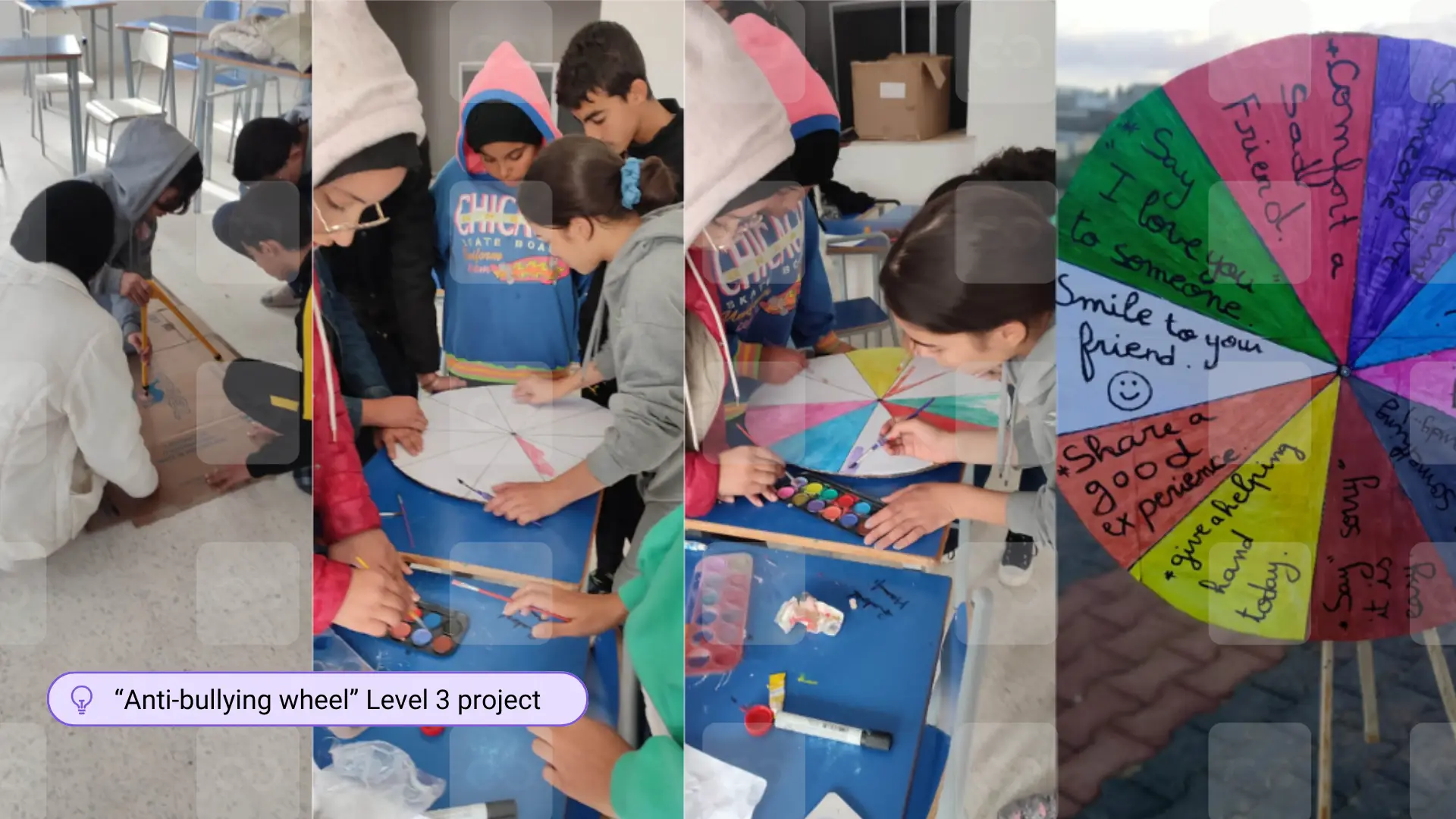
- Plan one shared output, such as a comparison poster, paired narratives or a short presentation.
- Give students useful responsibilities and time to respond to their partners.
- End with reflection on the topic, the partnership and one idea students reconsidered.
A short exchange can help you test the plan before a larger project. The Class2Class COIL guide explains how partner teachers connect curriculum goals with shared work and reflection.
Sources
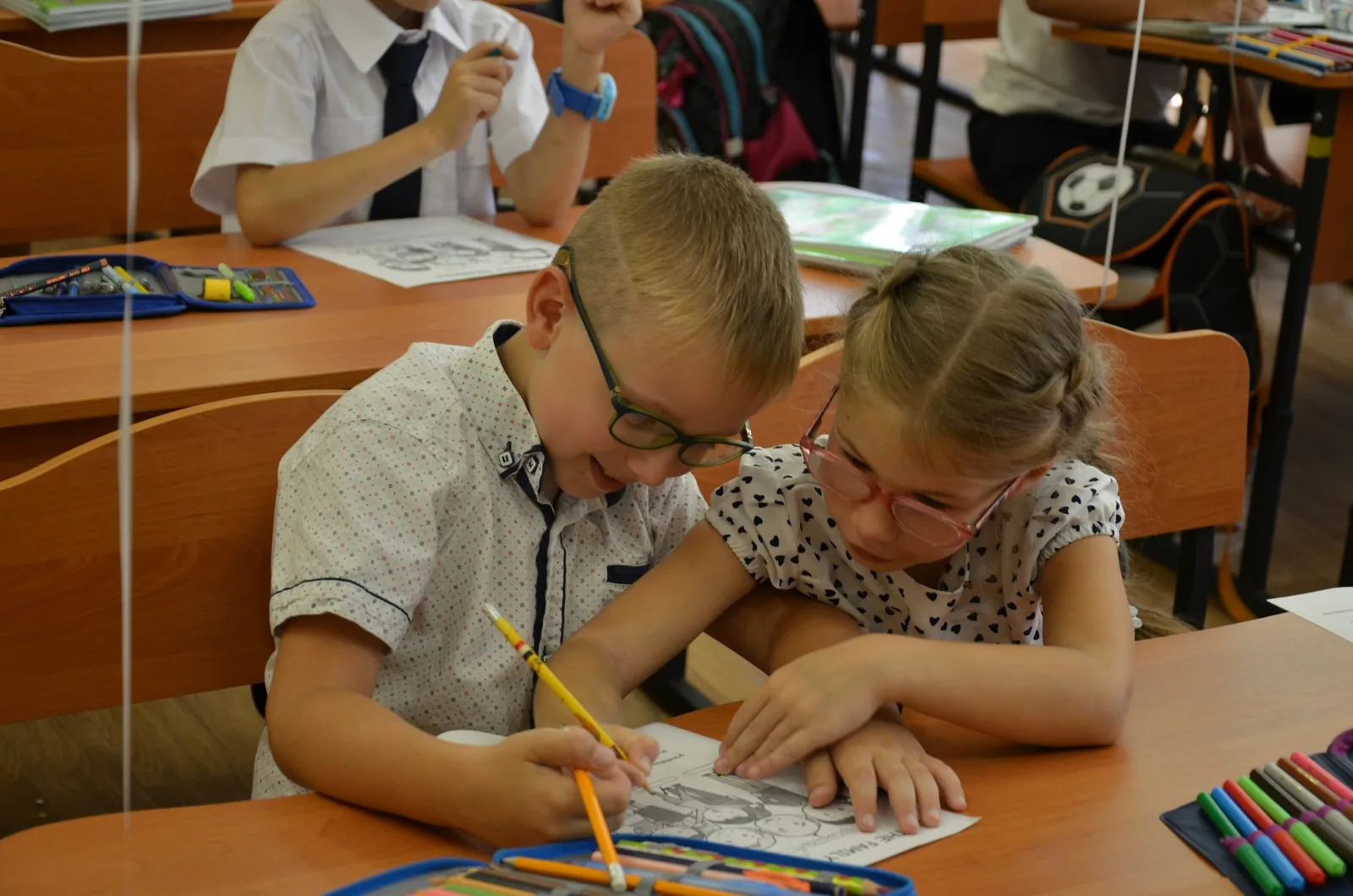
Photograph: Ruslan Horovyi / Unsplash.
Choose a benefit you can plan for
Pick one learning aim from this guide, then choose a question and shared output that make it visible. Explore project ideas and adapt a starting point with a partner teacher.