Global competence: what it is and how students build it
Global competence is the knowledge, skills, attitudes and values students need to understand and act on local, global and intercultural issues. Globally competent students examine issues, understand other perspectives, interact respectfully across cultures and take responsible action for collective well-being.
See the four dimensionsLast updated
Global competence is the ability to understand the world and act well in it, together with people who are different from you. You may also hear the terms global skills or global competencies. This guide explains the idea in plain words, shows the four dimensions used by the OECD and gives you activities and ready-made projects to practise each one with your class.
What is global competence?
The OECD, the organisation behind the PISA tests, describes global competence as a multidimensional, life-long learning goal. Globally competent people can examine local, global and intercultural issues, understand and appreciate different perspectives and worldviews, interact successfully and respectfully with others, and take responsible action toward sustainability and collective well-being. PISA included global competence in its 2018 assessment of 15-year-old students.
Global competence is more than knowing facts about other countries. It combines knowledge, skills, attitudes and values, and it keeps growing over a lifetime. School can shape it by giving students regular, real chances to practise.
It is close to global citizenship education, which UNESCO promotes to help learners of all ages become ethical, empathetic and respectful members of one global community.
The four dimensions of global competence
Each dimension is something students do, so each one can become a classroom task. Use the table to plan, then read the ideas for each dimension below.
Swipe horizontally to see all columns
| Dimension | What students do | Try this in class |
|---|---|---|
| 1. Examine issues | Investigate a local issue that also matters globally and compare sources | Map how your town uses water, then compare with a partner class |
| 2. Understand perspectives | Ask why people see the same issue differently | Interview students in another country about the same question |
| 3. Interact respectfully | Listen, explain clearly and adapt when working with people from other cultures | Exchange short videos and answer each other's questions |
| 4. Take action | Plan a small, realistic action for their school or community | Design a campaign or product and share the result |
Examine issues that matter locally and globally
Start with an issue students can see where they live, such as water, waste, food or how people travel to school. Ask them to collect simple evidence, compare two or three sources and then find out how the same issue looks in another place. The Sustainable Development Goals give you a shared list of issues to choose from.
Example: in Climate Chats, 7th graders at a school in the United States connected with peers from six countries to explore the global impacts of climate change, and shared what they learned in a podcast.
Understand other perspectives
Perspectives become real when students hear them from people their own age. Before an exchange, ask students to write down what they expect. Afterwards, ask what surprised them and why someone else might see the issue differently. Remind them that each partner speaks for themselves, not for a whole country or culture.
Example: in Should Rivers Be Connected?, students aged 10 to 25 from 10 countries prepared arguments on both sides of one question about water and sustainability, then debated it together online.
Interact respectfully across cultures
Students practise this every time they communicate with a partner class: introducing themselves, asking questions, explaining their ideas simply and replying with respect. Agree on a few class rules first, keep messages short and use pictures to support language. Live video calls help, but a shared space where classes post and reply in their own lesson time also works across time zones.
Collaborative online international learning (COIL) and virtual exchange are two names for this kind of planned partnership between classes in different countries.
Take responsible action
Action can be small: a poster campaign, a school event, a letter to a local leader or a product that solves a real problem. Ask students to plan what they will do, who it is for and how they will know if it helped. Project-based learning gives this work a clear structure.
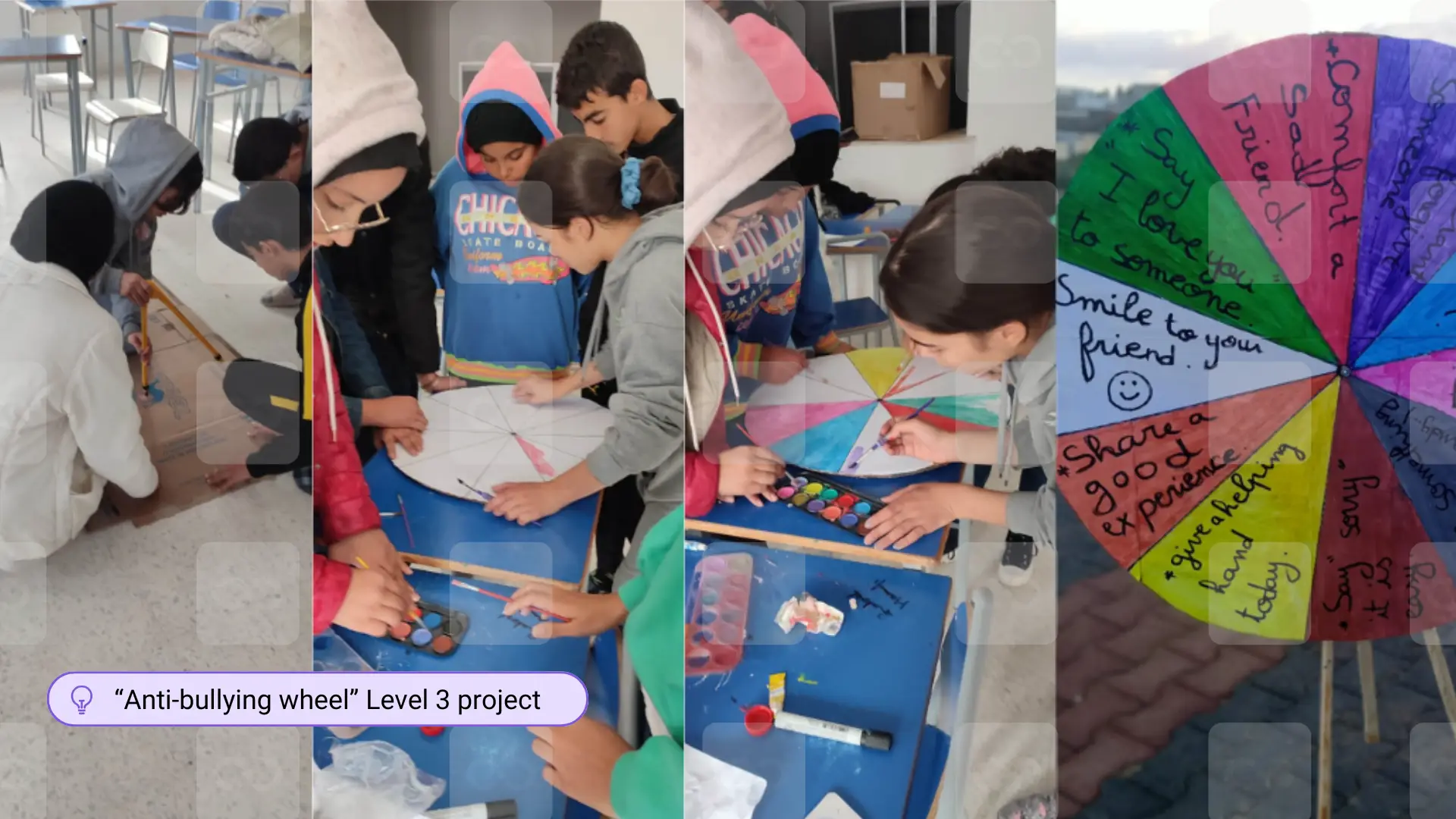
Example: in Cut Bullying Out, students in Tunisia and India shared experiences through video calls and designed responses to bullying at their schools, such as a spinning-wheel game, bracelets and a complaint box.
Ready-made projects that build global competencies
These Class2Class project ideas give you a plan to run with a partner class. Each one lets students practise several dimensions at once.
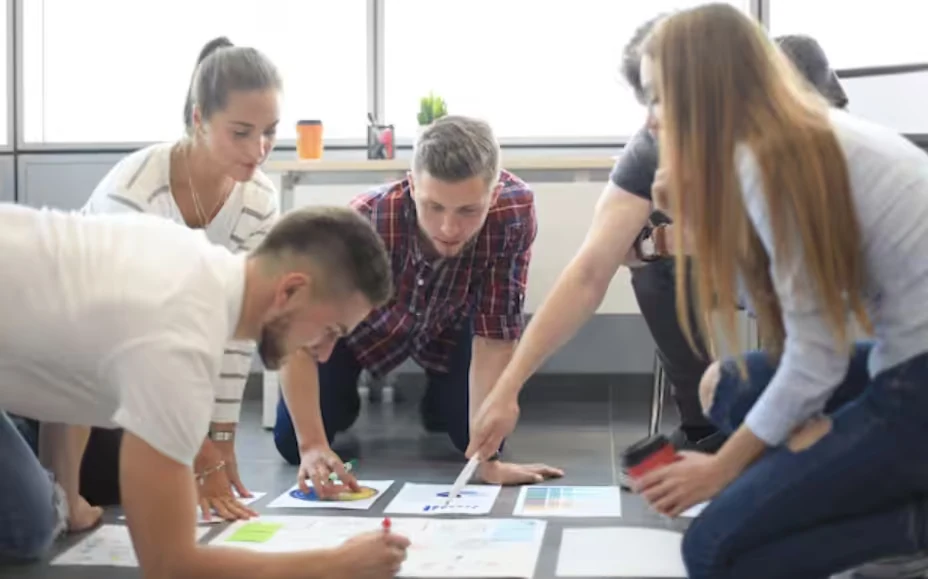 Project ideaYouth-Led Solutions for a Better World
- Age groups
- 13–15, 16–18, 18+
- Duration
- 4 weeks
- Language
- English
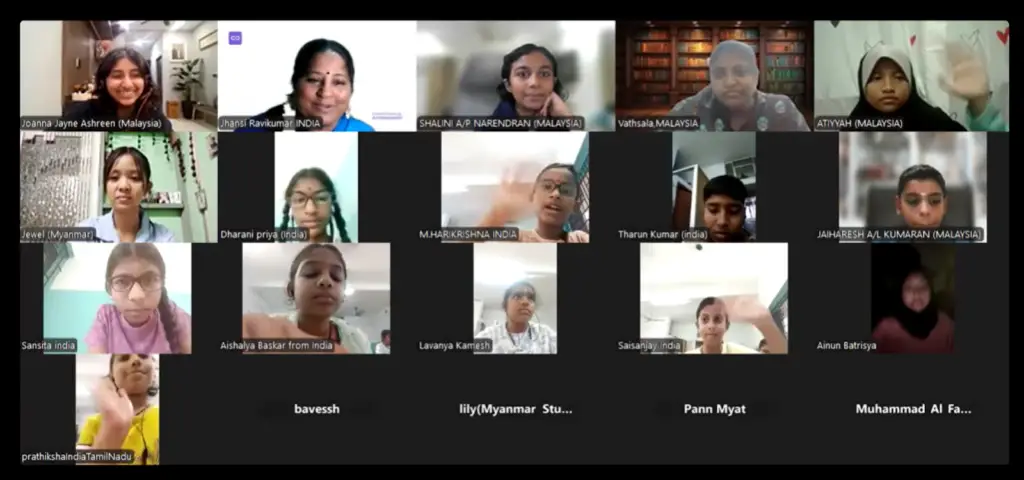 Project ideaWater Warriors: Global Solutions for Local Water Challenges
- Age groups
- 6–8, 9–12, 13–15
- Duration
- 4 weeks
- Language
- English
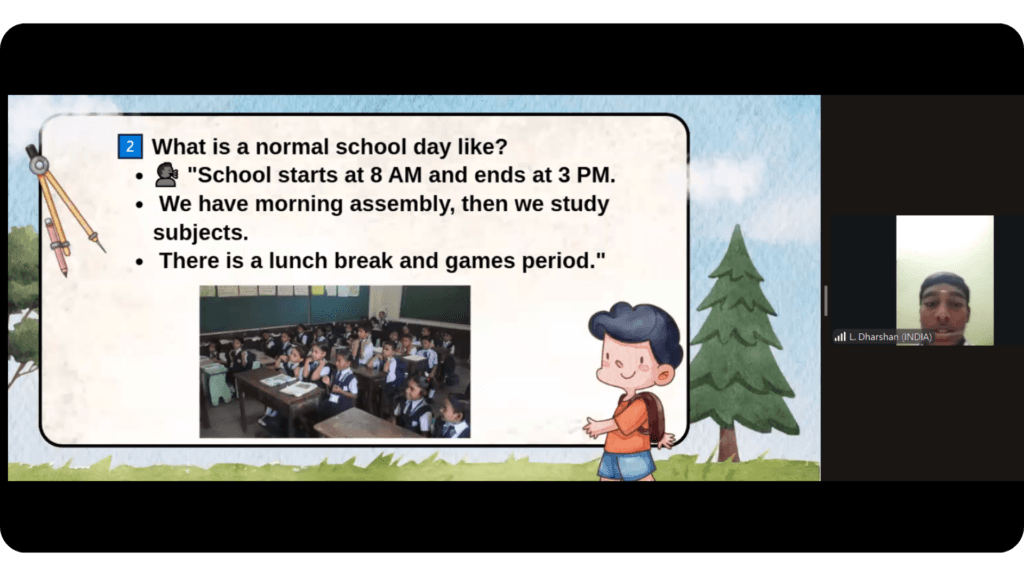 Project ideaMy School, Your School
- Age groups
- 6–8, 9–12, 13–15
- Duration
- 4 weeks
- Language
- English
How to see what students are practising
You do not need a separate test. Collect evidence from the work students already do and look for growth during the project:
- Examine: do students use more than one source and compare local and global examples?
- Perspectives: can they explain why their partner sees the issue differently?
- Interaction: do their questions and replies become clearer and more respectful?
- Action: can they say what they did, who it was for and what they would change next time?
Short reflection journals, a class showcase for families and a final presentation to the partner class give you natural moments to collect this evidence.
Frequently asked questions
What is global competence in simple words?
It is the ability to understand issues that affect people around the world, see them from other points of view, communicate respectfully with people from other cultures and act responsibly. It combines knowledge, skills, attitudes and values.
Is global competence the same as global skills?
They overlap. Global skills usually means practical skills, such as communicating and collaborating with people in other countries. Global competence is broader: it also includes knowledge of global issues, attitudes such as openness and responsible action.
At what age can students start?
Young children can start with simple tasks, such as comparing a school day with a partner class. The ready-made projects on this page cover age groups from 6 to 18 and over.
Is Class2Class free?
Yes. Class2Class is free for teachers and students.
Start building global competence with a partner class
Pick one dimension to focus on, choose a ready-made project for your students' age and find a partner class to run it with. Class2Class is free for teachers and students.