Intercultural competence: five classroom strategies
Students practise intercultural competence when they listen to a specific account, check what they understood and revise an interpretation in light of what someone actually said. A short dialogue routine lets teachers observe those actions in one lesson.
Last updated
Try a 25-minute dialogue routine
Use pairs or groups of three, a timer and a slip with three prompts: what I heard, what I asked and what I now think. The aim is to understand a specific experience and check an interpretation. This classroom adaptation draws on UNESCO's Story Circles approach to listening for understanding.
- Set up and model, 4 minutes. Ask students to describe a time someone made it easier for them to join a group or an activity. Model a low-stakes example. Let students pass or use a fictional example. Share only what they are comfortable discussing.
- Tell and listen, 8 minutes. Give each learner a short, uninterrupted turn. Listeners note one detail and one question that would help them understand the speaker's experience. If needed, offer written responses, visuals or sentence stems.
- Check and clarify, 8 minutes. Listeners take turns paraphrasing one detail and asking the speaker to confirm it. Ask a question about the specific situation. Let the speaker correct the paraphrase before the group draws a conclusion.
- Reflect, 5 minutes. Ask every learner to write what they first inferred, the detail or correction they heard, and how they would now describe the situation.
What it sounds like in class
In a fictional example, Ana says new club members first watch a demonstration in her group. Leo replies, “I heard that newcomers watch first. Is that a rule for everyone?” Ana explains that watching helped her, while others asked to try straight away. Leo revises his note from “newcomers have to watch” to “Ana found it helpful to watch first, and her group offered more than one way to join.”
Read the exit slips for an accurate paraphrase, a question that invites clarification and a revision tied to something the speaker said. The Council of Europe's competence descriptors can help teachers phrase these as observable learning outcomes. Look for change across several lessons.
Use the routine in an exchange or subject lesson
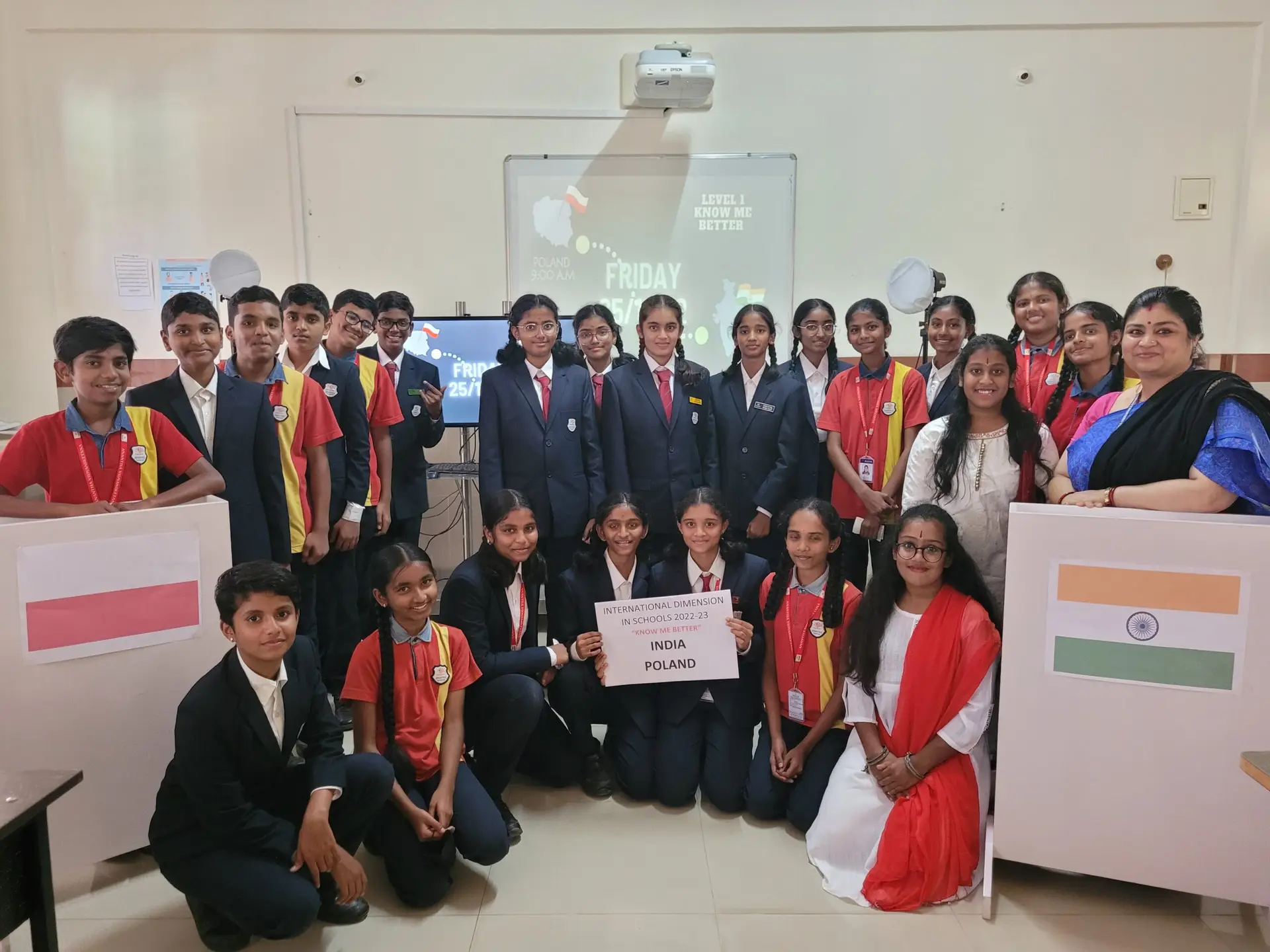
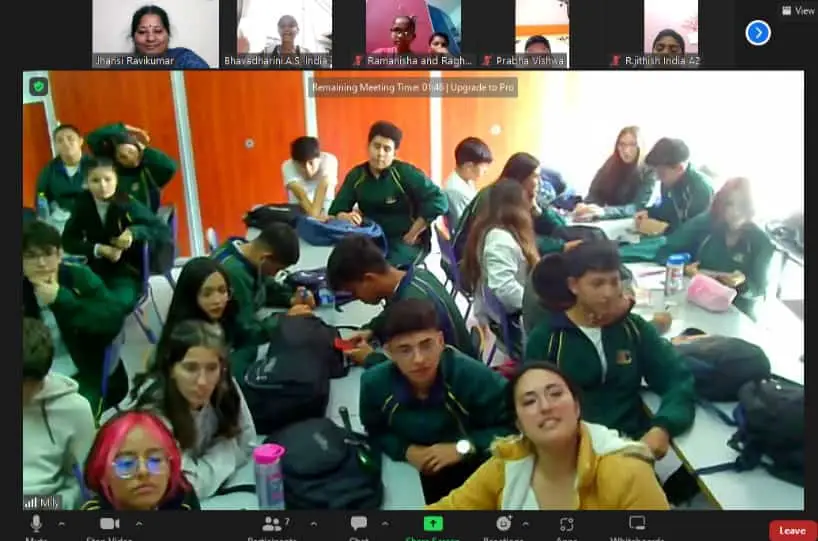
Run the routine in your own class first. For a partner-class exchange, agree one prompt and how teachers will share and check responses. Written or recorded exchanges give learners time to prepare. In geography or history, try the same sequence with two accounts of a shared issue and ask students whose experience each account describes.
Other ways to practise intercultural competence
Connect perspectives with your curriculum
Use a question already connected to your subject. Explore Class2Class project ideas, read the objectives and activities, and adapt one for your age group and learning goal.
- History: compare how two sources describe the same event. Ask whose perspective each source represents and what evidence supports it.
- Science: investigate how a climate issue appears in each community and compare the local evidence.
- Literature: read work by authors from different contexts and discuss the choices, themes and perspectives in the texts.
- Maths: explore different counting systems and explain how each represents a quantity.
Ask students to explain similarities and differences using specific examples. Distinguish one person's experience from a claim about a whole country, and invite the partner class to clarify an interpretation.
Create a response together
A shared project gives students a reason to compare ideas and make decisions. For a sustainable-city task, each class could investigate transport, green spaces or water use locally, then contribute evidence to a joint design.
Agree responsibilities, communication routines and response dates. Teach students how to explain a proposal, resolve a disagreement and acknowledge a partner's contribution. Ask the group to show which ideas changed after the exchange.
Use cultural media with a purpose
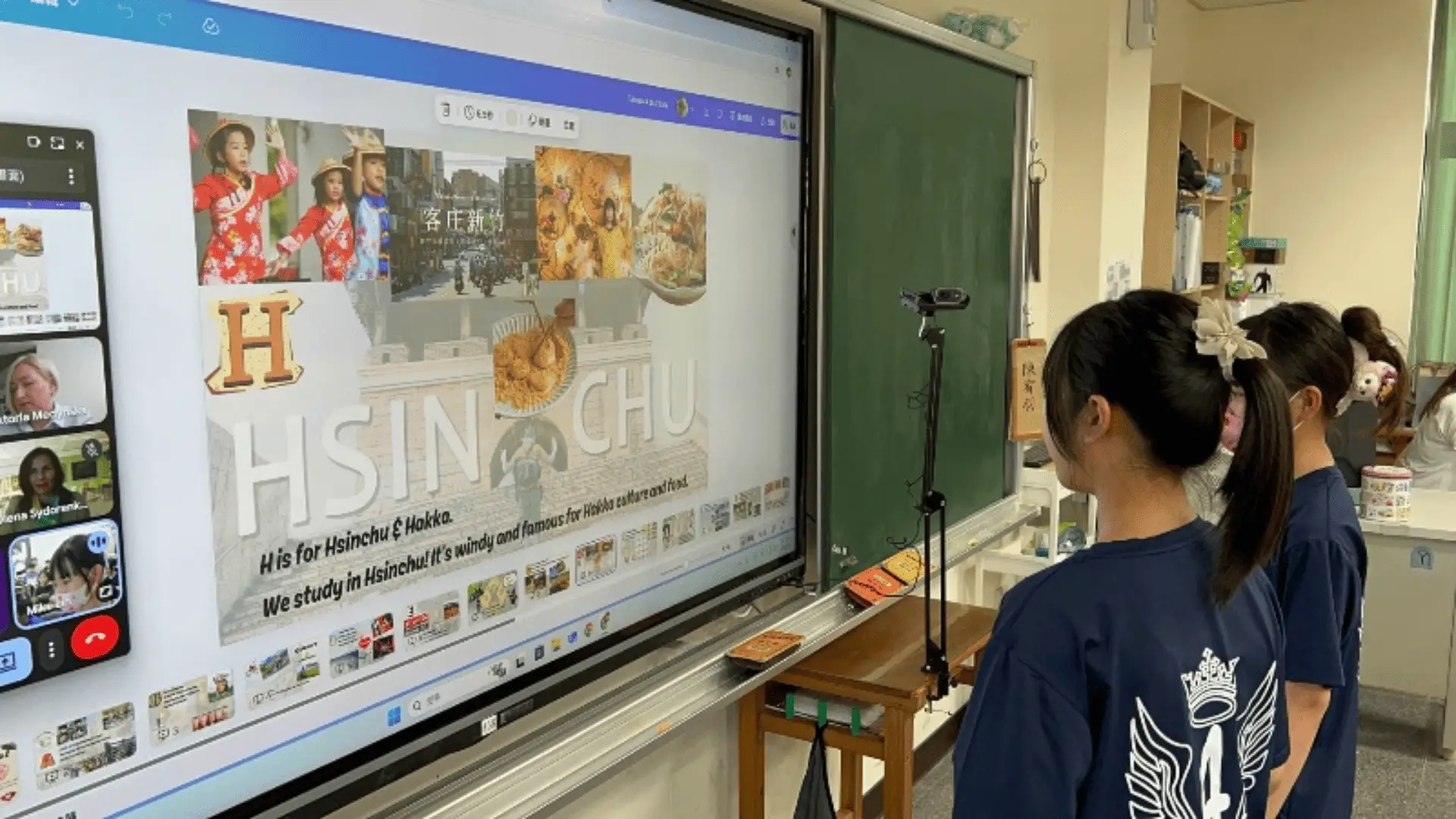
Choose a tour, recording, game or live event because it helps students answer the lesson question. Check access, cost, age suitability and the source before using it. A screen-based tour can be useful with an ordinary classroom device.
The Louvre's online tours let students explore selected exhibitions. For a lesson involving a Japanese tea ceremony, choose a reliable recording or an available event and explain its context. Ask students to record observations, identify questions and compare the media with another source.
For a language exchange, teachers can agree a question and suitable language support with the partner class. Prepare phrases, visuals or bilingual contributions, and ask students to check meaning when a word or expression is unfamiliar.
Reflect on assumptions and participation
Help students consider their own experiences as well as what they learned from others. Use an identity map, a guided discussion or a short journal entry. Let students choose what personal information to share.
- What surprised you in the exchange?
- Which assumption did you reconsider, and what evidence changed it?
- How did your own experience affect the way you approached the task?
Discuss how assumptions can influence an interpretation. Ask students to describe a specific example and consider another explanation. Revisit their reflections later and let each student set one practical goal, such as asking a clearer question or checking a reply before making a judgement.
Sources
Frequently asked questions
How can I avoid treating a country as one culture?
Ask for specific experiences and sources, invite students to clarify interpretations and compare more than one perspective. Describe whose account you are using and where its limits are.
How can students participate with different language levels?
Agree language support with the partner teacher. Prepare visuals, useful phrases and written or recorded formats, then check that each student has a meaningful contribution.
What evidence can show progress?
Look for specific questions, explanations, responses to feedback and changes in interpretation. Ask students to connect a revised idea with evidence from the exchange.
Explore a project for your class
Choose a subject question that benefits from another perspective. Explore a Class2Class idea and agree the first exchange and reflection task with a partner teacher.