International Day of Peace: classroom projects for September 21
International Day of Peace is observed on September 21. Help students explore peace through personal stories, respectful listening and a shared creative task. Younger learners can build a Peace Mosaic; older students can compare perspectives on conflict and agree a peace pledge with a partner class.
Last updated
Explore peace in everyday life
What does peace look like in everyday life? A shared artwork or a conversation with another class can connect that question to how we listen, handle disagreements and include others.
Start with a moment students recognise - welcoming a new classmate, taking turns or finding a fair way to resolve a disagreement. The projects below turn those ideas into a Peace Mosaic or a youth dialogue, with time to share perspectives and choose a small action for school life.
Project ideas
Peace Pals: make a shared Peace Mosaic
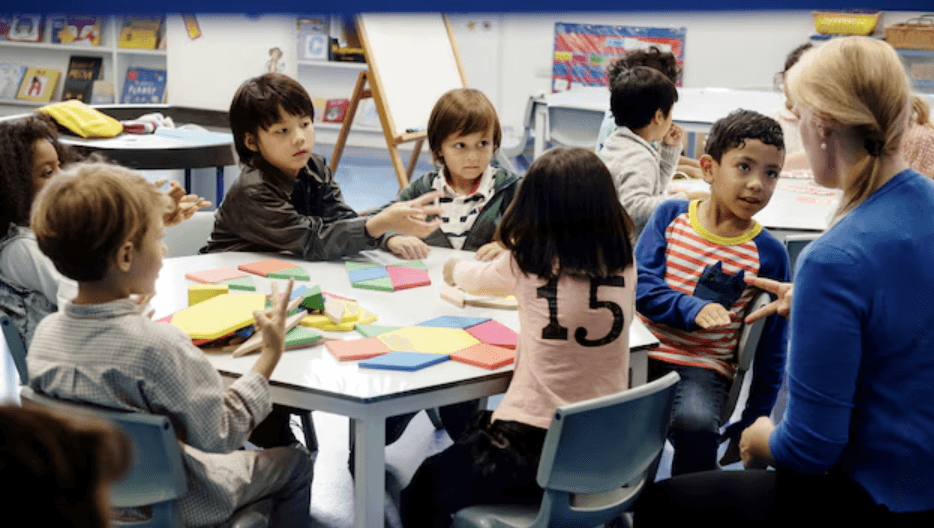
Ask younger students what peace looks like at school, at home or in their community. They can choose a personal story, drawing, digital artwork or short written contribution, then explain the meaning to their partner class.
Combine the contributions into a shared Peace Mosaic. Use brainstorming and peer feedback to decide how the pieces fit together. Plan a digital showcase or virtual gallery around September 21, with an audience and sharing permissions agreed by both teachers.
- Intercultural communication: share stories and practise listening to the meaning behind each contribution.
- Critical thinking: brainstorm ideas, compare suggestions and give useful peer feedback.
- Global awareness: connect the mosaic with SDG 16 questions about justice and peaceful communities.
- Digital literacy: create digital art and organise a gallery using tools students can access.
Fostering Peace Through Youth Dialogue
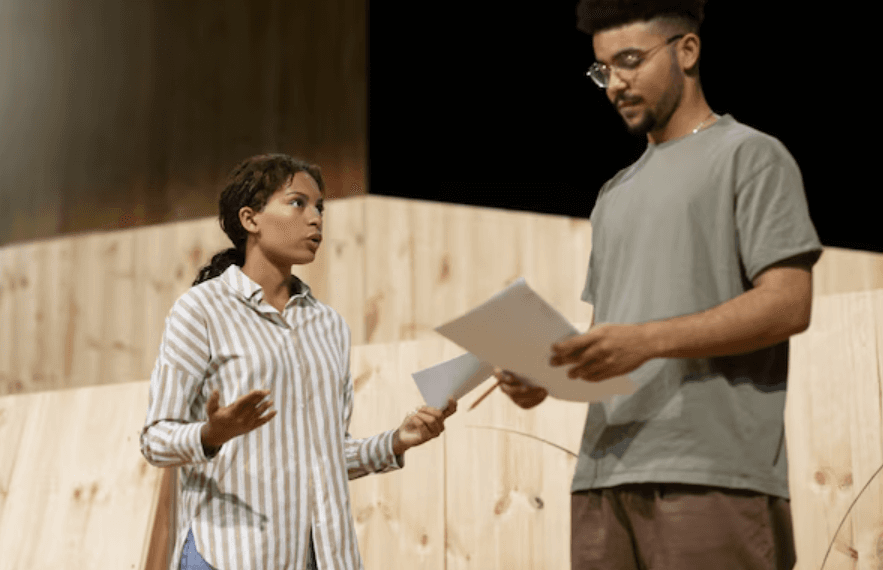
Older students can discuss peace, conflict resolution and cultural diversity in pairs or small groups. Agree a few questions, give students time to prepare and rotate speaking and listening roles. Encourage them to explain their own context and ask about the other class.
Bring the discussion into a shared peace pledge or gallery of poems, drawings, songs and short videos. A Peace Day celebration can be an optional closing event. Use journals, peer feedback and self-reflection questions to ask what changed in students' thinking and which action they want to take next.
- Intercultural communication: listen actively, ask questions and explain different perspectives.
- Critical thinking: examine conflict and compare possible constructive responses.
- Global awareness: discuss how peace and justice connect across local and international contexts.
- Collaboration and teamwork: coordinate contributions to the shared peace pledge and creative gallery.
Why this day matters
The UN General Assembly established the International Day of Peace in 1981. In 2001, resolution 55/282 fixed the date as September 21 and designated it a day of non-violence and ceasefire, beginning in 2002. The observance offers a context for exploring conflict resolution, justice and peaceful communities through SDG 16.
Students can share art, discuss how conflicts are handled and compare local experiences with another class. Agree a clear task and respectful discussion routine so everyone has time to contribute and respond.
Find more observances in the SDG Calendar.
Skills to practise
- Intercultural communication: practise respectful questions and listening across different backgrounds and languages.
- Critical thinking: examine a conflict, compare perspectives and propose a constructive response.
- Global awareness: connect community values with questions about justice, institutions and peace in SDG 16.
- Digital literacy: co-create an exhibition or virtual gallery using teacher-selected tools; add a live meeting when both classes can attend.
The 2026 theme
The UN published the 2026 theme, "Invest in Peace - For Everyone, Everywhere, Every Day". Invite students to connect it with an everyday choice: include someone in a group, listen before responding or agree a fair way to resolve a disagreement.
Frequently asked questions
When is International Day of Peace?
It is observed every year on September 21. The UN established the day in 1981 and fixed this date in 2001 for observances beginning in 2002.
Do both classes need to meet live?
No. Students can exchange drawings, recorded explanations and written responses. Add a live discussion when it helps the task and fits both school schedules.
How can I help quieter students contribute?
Offer a drawing, written response or recording before the discussion. Use small groups, clear speaking roles and preparation time, then ask each student to reflect on one idea from a partner.
Explore a project for your class
Explore a project idea that fits your class. Adapt its activities, then agree a shared question, dates and a small first contribution with a partner teacher.